
Introduction to the 911 Call Taking System
Sara Harper began her career at Denver 911 in 2013. Although she found the work fulfilling, it came with demanding hours and anxiety challenges. After several years, she opted to leave.
Harper says the experience when first donning a 911 headset is unmatched. The adrenaline surge resembles entering an unpredictable scenario, where each call has the potential to be simple, annoying, or life-altering.
Emergence of Alternative Response Programs
Historically, 911 operators had three dispatch options: medical, fire, and police authorities. Recently, a fourth option has emerged—mental health professionals who respond instead of police for certain calls. A recent study shows 44 of the largest 50 cities in the U.S. now offer such programs, wide-ranging in approach.
The responsibility of choosing the suitable responder often falls on already overwhelmed 911 workers. Harper valued her role as it allowed her to assist numerous people. However, the weight of long hours and anxiety eventually led her to resign.
Current Struggles in the 911 System
Jessica Gillooly, sociology and criminal justice professor at Suffolk University, remarks that the national 911 system struggles with stress and staffing issues. A recent survey revealed over 80% of respondents experienced frequent burnout and anxiety in understaffed facilities.
Carlena Orosco, a criminal justice professor at California State University, Los Angeles, and former dispatcher, highlights the invisible yet critical nature of dispatch work. Dispatchers guide response teams but lack closure and recognition which are essential for motivation and effectiveness.
Challenges in Alternative Responses
Gillooly notes the complexity of choosing alternative responses. 911 call takers weigh incomplete information when deciding if mental health responders are appropriate for a call. Harper states that quick, informed decisions are crucial to avoid potential lawsuits, job loss, or inadvertently causing harm.
The coordination between dispatchers and response teams significantly impacts outcomes. The failure to communicate crucial details, as witnessed in the Tamir Rice case, underscores the importance of training. However, training varies widely among the 6,000 U.S. call centers.
Training and Decision Making at Denver 911
Orosco emphasizes consistent training and communication for effective 911 responses. Denver’s training academy spans three months, followed by supervised on-job training.
New initiatives like the STAR program, rolled out in 2020, assist in addressing mental health emergencies without police involvement. In Denver, mobile units staffed with medical and mental health professionals respond to calls. Ensuring scene safety remains a priority, as alternative responders lack protective gear.
John Shryock, a Denver 911 trainer, underscores the structured yet unscripted nature of calls. Accurate responses require detailed information, crucial for gauging whether police presence is necessary, especially when weapons are involved.
Improving Support for 911 Professionals
Denver 911 acknowledges the challenge of gauging a call’s suitability for STAR intervention. Despite studies indicating most calls lack violent elements, STAR responses remain limited to 1% of 911 calls.
Director Andrew Dameron highlights ongoing efforts to refine response processes. Enhanced training and employee support, including a recent pay increase, have led to reduced turnover rates. Nationally, efforts are underway to reclassify 911 professionals as first responders, offering benefits like mental health support and recognizing the role’s significance.
Sara Harper asserts the importance of acknowledging 911 call takers beyond clerical tasks. Engaging in crisis intervention, offering medical guidance, and providing psychological support validates their contributions and stresses the need for systemic change.
 Measles Exposure in Philadelphia Raises Health Concerns
  Lawsuits Claim Vision Loss Risk from GLP-1 Medications
 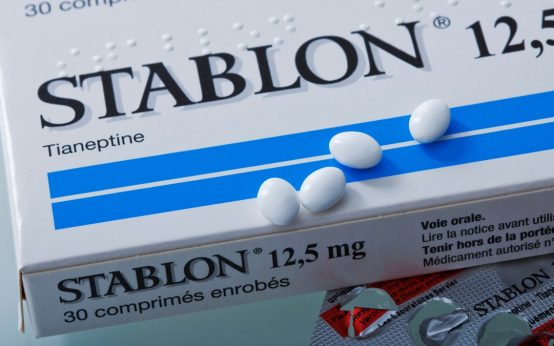 States Tighten Regulations on Tianeptine, Known as ‘Gas Station Heroin’
  Medicare Lab Test Payments: Upcoming Changes and Their Implications
  Gen Z Faces Economic Barriers to Dating and Intimacy
  Presley Gerber’s Death Highlights Concerns in Addiction Treatment Approaches