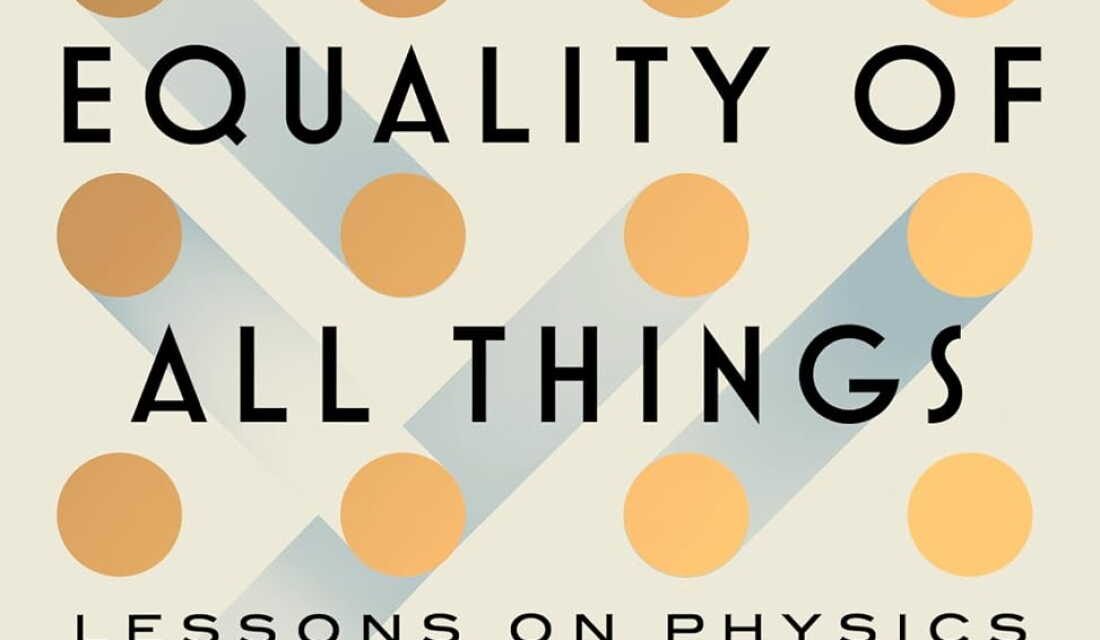
Carlo Rovelli’s new book challenges traditional views on physics and ultimate reality. Unlike many physicists’ early dreams of obtaining perfect, objective knowledge of the universe, Rovelli dismisses such notions. His work, On the Equality of All Things, argues against the idea that physics can offer a ‘God’s-eye view’ of the world. Instead, he highlights our limited access to universal experiences.
Rovelli introduces the relational interpretation of quantum mechanics. He critiques the assumption that objects possess absolute properties independent of observation, as suggested since Newton’s era. Quantum mechanics reveals measurements depend on relational properties, disputing the existence of absolute perspectives.
Rovelli believes the study of physics should not claim to explain everything. He argues, “Physics is often credited with a power it does not have: that of exhausting what can be known about the world.” This stance rejects scientific triumphalism and emphasizes the importance of relational perspectives.
Notably, Rovelli incorporates Eastern philosophies, drawing on thinkers like Nagarjuna and Zhuangzi, alongside Western figures like Plato and Aristotle. This blend deepens his exploration of reality’s complexities from varied viewpoints.
Despite diverging from conventional science narratives, Rovelli is hopeful about the role of physics. He views science as a creative pursuit of knowledge, valuing its beauty and utility. His shift advocates humility amid the universe’s vastness, urging a new wisdom and intimacy with the world.
On the Equality of All Things provokes thought and invites debate, encouraging fresh understandings of ourselves and our cosmic role. While readers may challenge Rovelli’s dismissal of other philosophers, such as Henri Bergson’s focus on lived time, the book sparks valuable discourse. It presents a concise, impactful argument for broad audiences.
Adam Frank, a physics and astronomy professor, emphasizes this need to consider human experience in science, reflecting his role as co-author of The Blind Spot: Why Science Cannot Ignore Human Experience.
 Animal Self-Medication Insights
 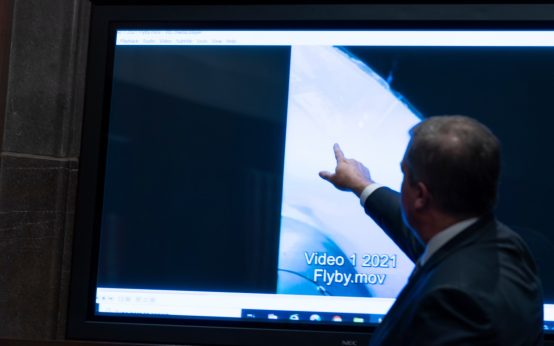 Department of Defense Legal Waiver Promotes UAP Disclosure
 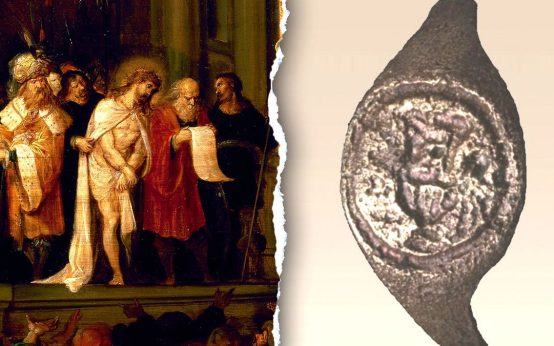 Ancient Ring Offers New Insight on Pontius Pilate’s Authority
  Lost City Linked to Jesus Discovered Near the Sea of Galilee
  Genetic Study Links Personality Traits to Health Outcomes and Life Patterns
 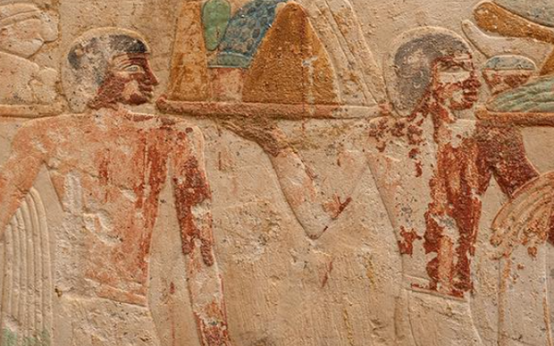 Archaeological Discovery of Ancient Tomb Near Cairo