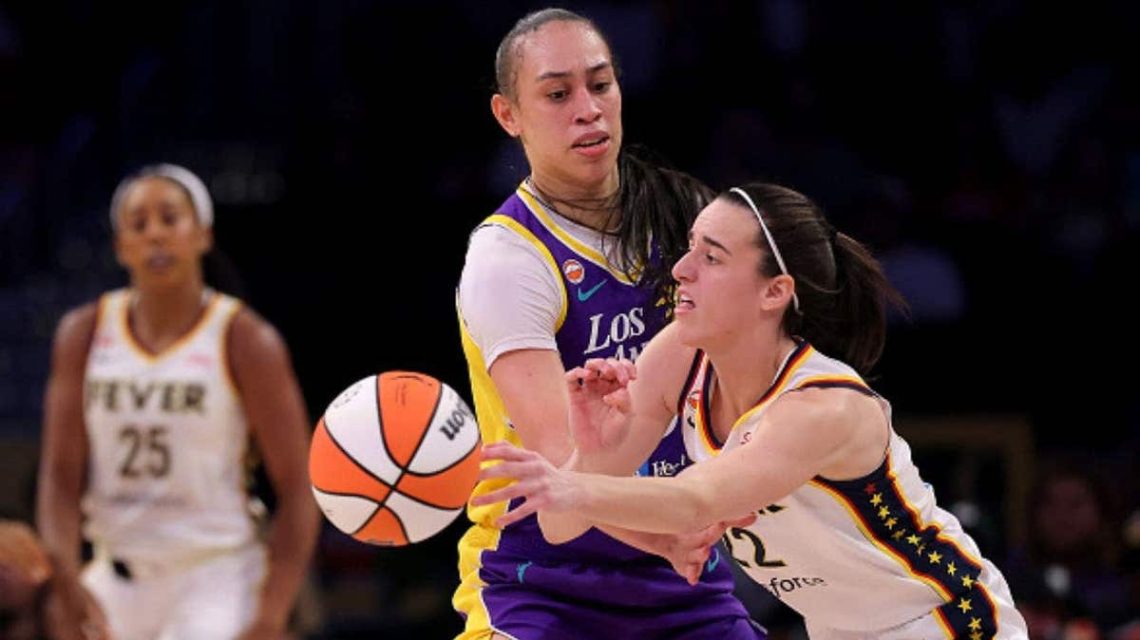
In a recent discussion on CNN, the focus turned to the animosity WNBA players have towards Caitlin Clark. Former ESPN host Cari Champion addressed racial factors, stating such claims disrespect the Black women who have historically supported the league. Her statement emphasized that suggesting racism towards Clark omits the contributions of Black pioneers in the WNBA.
Clark, a straight White woman, stands out in a league where 70% of players are Black or LGBTQ+. Her identity partly explains the friction, but it is not the sole factor. The issue revolves around Clark’s resistance to aligning herself with the league’s prevailing activism on racial and sexual matters, a stance that diverges from that of her peers.
This distinction is crucial. The identity left, a term used to describe those who embrace inclusive social messages, does not shun all White people. It favors those who actively support its causes. For example, California Gov. Gavin Newsom and sports reporter Sarah Spain remain well-regarded. In contrast, unacceptable are those who do not participate in advocacy aligned with the league’s efforts.
Many White players in the WNBA understand this context. Players like Cameron Brink have acknowledged their perceived privilege. Without playing a single game, Brink recognized her privilege in a marketing context and emphasized it in public discussions. Paige Bueckers, often compared to Clark, voiced support for equitable representation in coaching, a sentiment celebrated in certain circles.
These dynamics harken back to the post-2020 shift towards ‘anti-racism,’ as outlined by authors like Robin DiAngelo and Ibram X. Kendi. This movement insists on proactive opposition to racism, discouraging neutrality. Former ESPN host Bomani Jones encapsulated this by suggesting White individuals should prove they are void of racial biases.
Clark, in contrast, frames herself as a basketball player, rejecting the cultural spokesperson role. Her stance doesn’t align her with racial or sexual activism, leading to her unique position in the league as a target of criticism.
Clark’s situation is compounded by her status as the first White American superstar in the post-George Floyd sports scene. Her success inevitably sparks narratives focused on race and gender, as noted by commentators like Jemele Hill, who linked her popularity to these traits.
Such narratives explain why aggressive behaviors towards Clark often receive more sympathy than Clark herself does. Her actions and stance, devoid of social activism, make acceptance from her peers unlikely unless she transitions into advocacy. This dynamic reflects broader societal tensions as the league grapples with its identity amidst such cultural shifts.
The larger issue is not just Clark’s background but how her approach contrasts with the league’s trending expectations. This choice places her at odds with many players, revealing a deep divide in values and vision within the WNBA.
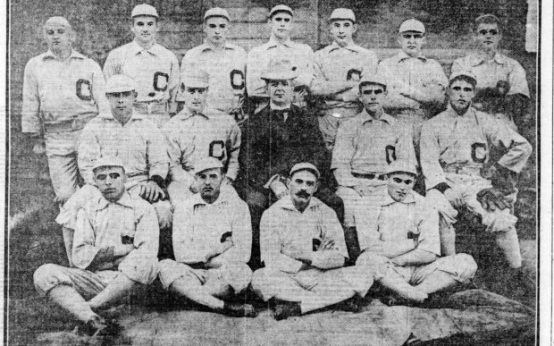 Significant Events in Chicago History on September 21
  Patriots Rookie Gabe Jacas Shines Against Aaron Rodgers
 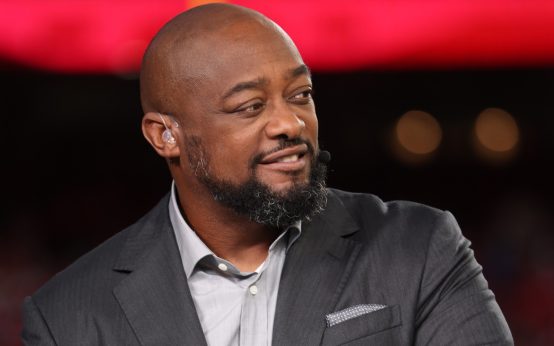 Pittsburgh Steelers Face Offensive Struggles in Post-Tomlin Era
 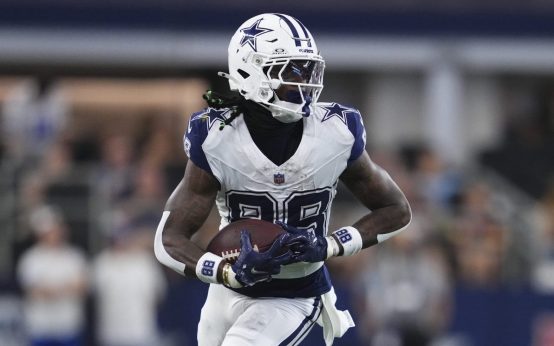 CeeDee Lamb Leads Dallas Cowboys to Victory Over Washington Commanders
 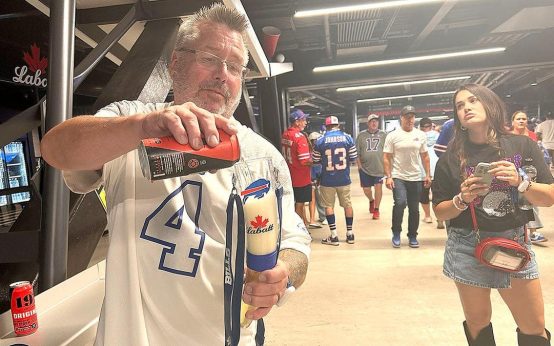 Buffalo Bills Tailgating and Highmark Stadium Experience
 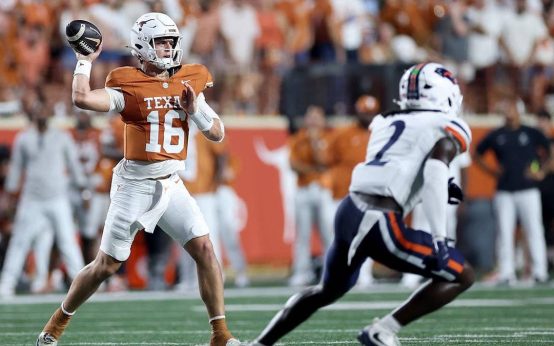 Texas Longhorns Triumph Over UTSA with Defensive Strength and Key Plays