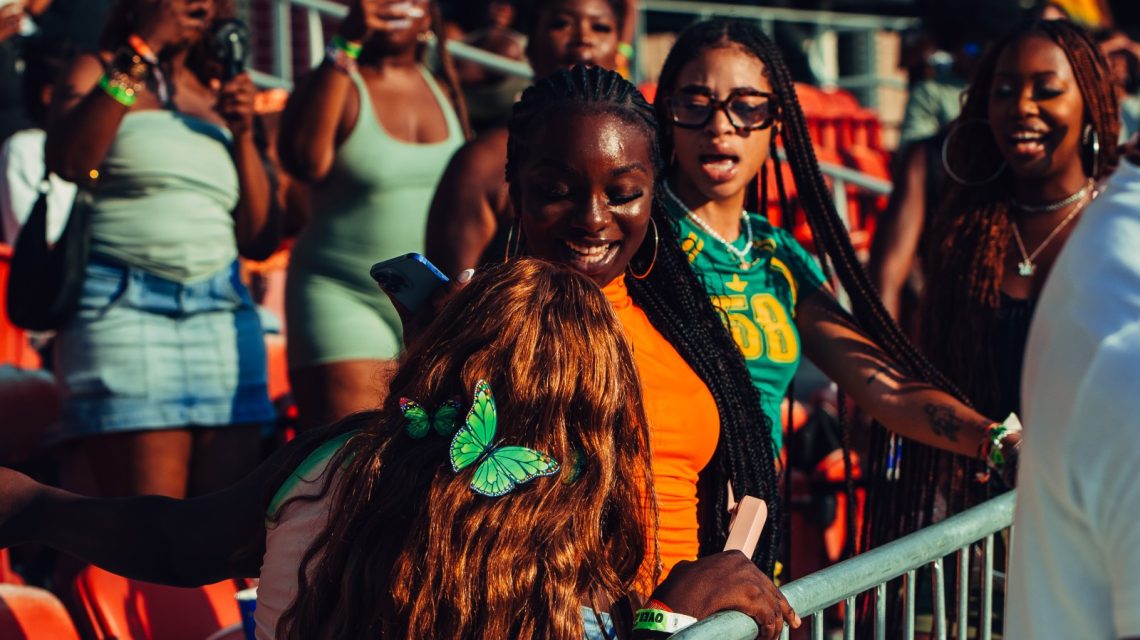
Before Brandon McEachern and his team transformed Broccoli City into a renowned cultural platform, he sought a space that combined music, entrepreneurship, wellness, and community. During the era dominated by blogs like 2DopeBoyz, where new movements emerged quickly, McEachern found an opportunity. He observed a lack of events focused on his community’s needs and envisioned creating something unique. As he spoke to Newsweek about the formative years of Broccoli City around 2009 and 2010, he reflected on the concept of crafting a space truly meant for his community.
The name Broccoli City originated from a clothing line, the event timing coincided with Earth Day, and Los Angeles hosted the first stage. Although some associated the name with marijuana, McEachern aimed for a broader vision emphasizing organic living, local commerce, and a diverse cultural lineup.
“People thought it was weed,” McEachern said. “We were like, ‘Nah, this is really about community.’
The inaugural event in Los Angeles featured artists like Dom Kennedy, Kendrick Lamar, Casey Veggies, and Pac Div, whose energy matched the era’s vibrant creativity. Moving the concept to Washington, D.C., featured Big K.R.I.T. with vendors and emerging clothing labels complementing the musical acts.
Embracing A Broad Cultural Spectrum
As Broccoli City grew, McEachern realized that a successful lineup couldn’t solely rely on popular rap acts. To truly resonate with its audience, the festival needed to represent a wide variety of sounds and styles. This shift included giving more visibility to women in the mix, including hip-hop alongside R&B, alternative music, and emerging artists.
Past editions showcased artists like H.E.R., Daniel Caesar, Nipsey Hussle, Migos, and Cardi B; other pairings involved Jhené Aiko, Anderson .Paak, The Internet, and Sango. McEachern emphasized the importance of intentional programming, even among diverse musical styles.
“Black people are all through the spectrum,” McEachern said. “Some of us like hard rap; some of us like conscious rap.”
Staying connected with younger listeners has been crucial as tastes evolve, ensuring programming remains relevant and grounded.
Making Live Music Accessible
Access stood out as a key focus for McEachern, who understood that cultural credibility and talent bookings mean little if the audience can’t afford entry. Coming from Greensboro, North Carolina, he encountered high prices in Los Angeles that were out of touch with daily life.
By collaborating with sponsors and public partners, Broccoli City managed to reduce ticket prices while maintaining an excellent experience.
“There’s no reason to do this stuff, especially in our communities, if our people can’t go and attend and have a good time,” McEachern said.
For events like Holding Hands, AT&T’s involvement helped achieve affordable ticket prices, emphasizing removing barriers to attending cultural events without sacrificing quality.
Creating A Connecting Space
While music is the main draw, McEachern measures the festival’s impact by connections made during the event. Attendees might meet future collaborators, local vendors interact with customers, and creators find inspiration. This atmosphere fosters conversations and potential business partnerships.
“I know people who have started whole businesses because they met their business partner at Broccoli City,” he said.
The environment blends elements of historical Black college reunions with the scale of music festivals, allowing attendees to see themselves in the crowd.
Empowering Commerce, Careers, and Confidence
Broccoli City’s marketplace philosophy extends beyond showcasing artists, promoting entrepreneurship through vendor sales. It functions like a city, circulating money among people who might otherwise have limited reach.
BroccoliCon furthered professional development, offering practical insights into sponsorships and fostering connections with industry executives. The event moved toward job-fair programming, ensuring attendees leave with tangible opportunities.
“You can’t be what you don’t see,” he said. “Our job is to uplift. It’s not to gatekeep.”
Expanding Broccoli City’s Model
McEachern believes Broccoli City’s model, like Holding Hands, can expand to cities lacking cultural events, provided the right support and partnerships. An amphitheater setting lowers costs, and a focused lineup still offers room for local performers.
“We need some good acts, and we would love to work with the local community,” McEachern said.
Audience responses and shared experiences influence future events, demonstrating how participation and feedback shape the festival’s growth.
“If you had a good time, say that,” McEachern said. “Say that you met somebody outstanding.”
The journey from a T-shirt line to a cultural platform shows live entertainment can create joy, opportunity, and inspiration. Each of these relies on active participation and shared narratives.
“There needs to be more Broccoli Cities,” McEachern said. “More experiences from our vantage point.”
 Exploring the Lucas Museum of Narrative Art
 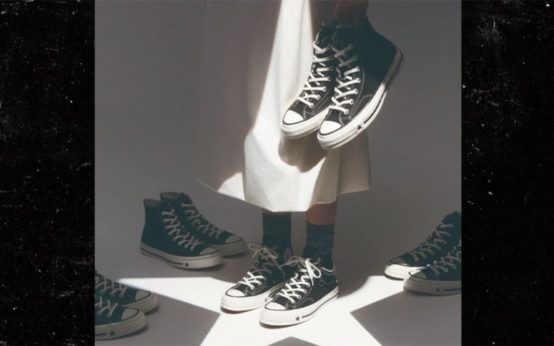 Converse Apologizes and Withdraws Controversial Ad Amid Criticism
  Lucas Museum of Narrative Art Unveils in Los Angeles
 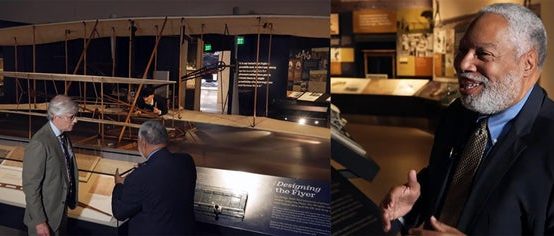 Lonnie G. Bunch III Reflects on His Legacy at the Smithsonian
  A Decade of Impact at the National Museum of African American History and Culture
 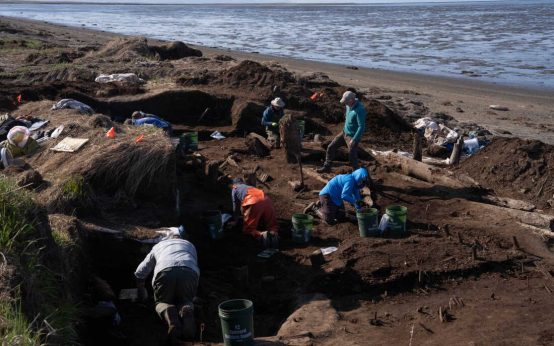 Urgent Archaeological Efforts in Quinhagak Stay Ahead of Erosion