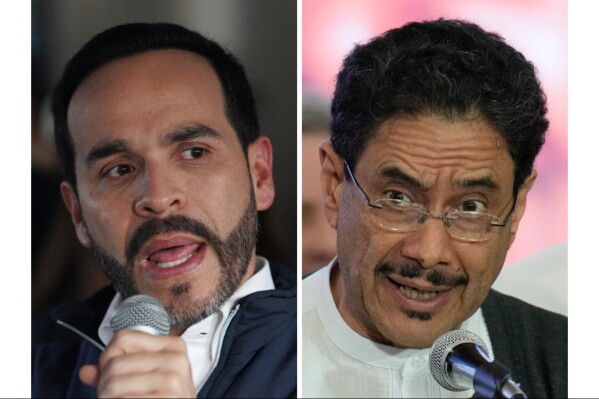
In La Paz, Bolivia, President Rodrigo Paz declared a state of emergency on Saturday. This move grants the military the authority to dismantle road blockades that have severely disrupted fuel and food supplies in Bolivia’s capital and other major cities. A series of protests demanding Paz’s resignation due to austerity measures, such as the removal of fuel subsidies, have sparked violent clashes. Authorities report 365 arrests, 37 injuries, and at least 17 deaths, primarily resulting from disrupted medical services, according to Bolivia’s ombudsman and human rights groups.
Road barricades have effectively isolated La Paz, leading to shortages of essential supplies and paralyzing transportation. This disruption has left patients unable to reach hospitals, causing at least seven fatalities, as the government states. “This is not a state of emergency to restrict people’s lives. It is a state of emergency to give people back their freedom,” declared President Paz in a televised address.
As businesses shuttered, supermarket shelves emptied, and hospitals exhausted their oxygen supplies, some societal groups called for restoration of order by force. President Paz reached an agreement with a labor union on Friday night, resulting in calls to lift the blockades. Nonetheless, some protesters insist on Paz’s resignation and continue to refuse negotiations.
The state of emergency aims to ensure fuel supply, which has become scarce as tanker trucks remain stranded. According to the decree, blocking of streets, avenues, roads, and highways affecting transportation and supplies is prohibited. The military will temporarily assist police in restoring order, reopening roads, and protecting civilians.
This measure will last for 90 days but could end sooner if violence and threats cease, as stated by the government. The emergency decree guarantees that due process rights and constitutional guarantees remain intact, allowing daily activities to continue as usual.
Paz assumed power in November, concluding nearly 20 years of governance by the Movement Toward Socialism party (MAS), which brought Bolivia its worst economic crisis in decades. As a centrist, Pueblo pledged to address fuel shortages and boost the economy while maintaining social welfare, a core aspect of MAS’s appeal. Nonetheless, his austerity measures, particularly the end of fuel subsidies, have intensified inflation. This led to fuel scarcity and distribution of poor-quality gasoline, damaging vehicles.
Economic reforms, such as foreign investment incentives, have stagnated in Congress. Indigenous highland and rural workers, who once supported MAS and assisted in bringing Paz into power, spearhead the protests. They accuse his administration of ignoring their needs since taking office.
Paz faces mounting pressure from both Bolivia’s hard-right, which controls Congress, and the long-standing left. Former President Evo Morales has joined the protests, seeking a new election from hiding in the coca-growing regions, evading charges related to statutory rape.
The U.S. government has expressed support for Paz. U.S. Secretary of State Marco Rubio recently informed Paz of increased emergency assistance and logistical aid. U.S. Secretary of Defense Pete Hegseth criticized the protests, warning against those he claimed benefit from the upheaval. “The United States is watching,” he wrote on X. Isabel Debre contributed from Buenos Aires.
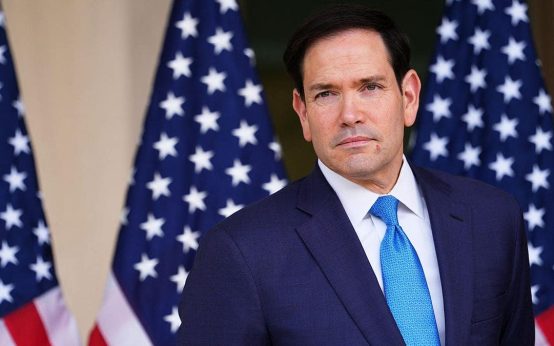 Marco Rubio’s Expanding Role in Trump Administration
 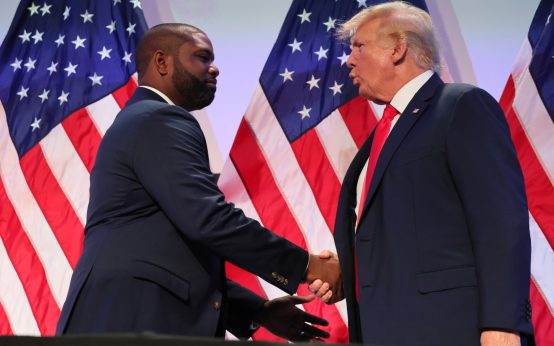 Byron Donalds Adjusts Campaign Strategy as Florida Governor Race Intensifies
 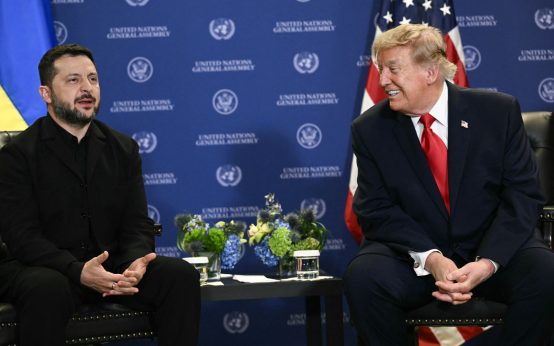 Trump’s Engagements at the UN: Focus on Ukraine and White House Developments
  Collins Faces Scrutiny in Tight Maine Senate Race Amid Donor Allegations
  Trump Administration to Admit 17,500 Afrikaner Refugees from South Africa
  Trump’s Vision for Global Security: Iran, AI, and the Role of the U.S.