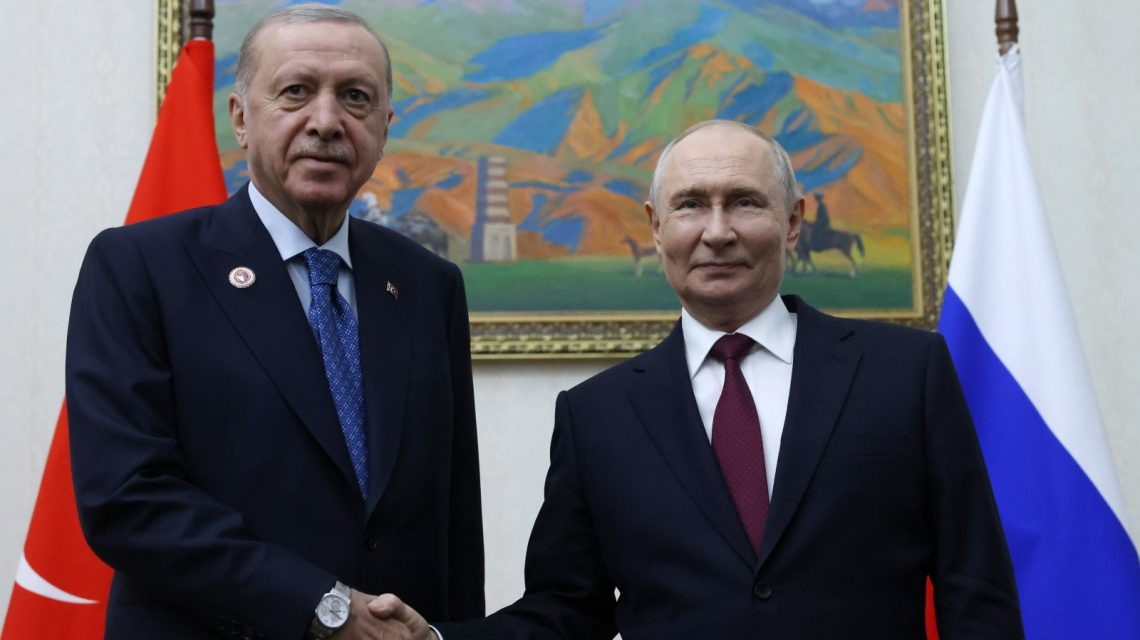
Russian President Vladimir Putin wields formidable influence with his dual nuclear arsenals. One comprises thousands of weapons capable of global destruction. The other, equally potent, is Russia’s civilian nuclear program, which bolsters Moscow’s power and prestige.
In recent events, NATO member Turkey expressed interest in having Russia build multiple nuclear power plants. Simultaneously, Russian officials have presented Iran with proposals to construct small nuclear reactors. In Kazakhstan, Russia’s state nuclear corporation, Rosatom, signed a deal to restore nuclear power, a first since 1999.
Moscow’s expertise in civilian nuclear energy provides it with leverage, allowing Russia to embed itself into the infrastructure of foreign governments for decades. While nuclear weapons exist to deter use, Rosatom’s nuclear reactors are designed for continual operation, posing significant challenges for Western nations seeking to deter Russia.
Radioactive Relations
Efforts by the West to dismantle Russia’s influence have focused on economic sanctions, particularly in the oil and gas sectors. However, Russia’s nuclear power, managed through Rosatom, is harder to counter. Unlike oil, which Russia sells for profit, nuclear involvement embeds Russian technology, fuel, and expertise within a country’s critical infrastructure.
The nature of Rosatom’s contracts varies, often involving long-term commitments. For instance, in Kazakhstan, Rosatom will build the Balkhash Nuclear Power Plant but leave operations to a local company. In other cases, Rosatom not only builds but also finances and operates facilities as in Turkey’s Akkuyu NPP, where Rosatom maintains full ownership.
Rosatom’s reach is extensive, with over 20 reactor units under construction, including in NATO and EU member states. Additionally, it controls significant portions of the global uranium-enrichment-services market and nuclear-fuel supply.
New developments reveal Turkey’s interest in additional Russian nuclear plants, marking strong Russo-Turkish ties. Meanwhile, Iran and Kazakhstan have signed agreements for further nuclear collaborations.
Challenges and Influence
Despite Rosatom’s global influence, challenges persist. Western sanctions target Rosatom officials due to the company’s involvement in military components and dual-use technologies. However, strict sanctions on Rosatom itself have been limited, as many countries still rely on Russian nuclear fuel.
Some Rosatom projects face operational delays. For example, Turkey’s Akkuyu plant has experienced setbacks, prompting Turkey to explore nuclear projects with South Korea, China, and the U.S. Similarly, Hungary’s Paks-II NPP encountered delays due to export license issues from Germany.
Nonetheless, Rosatom’s $206.2 billion overseas order book signifies strong commitments to Russian nuclear solutions. Countries with investments in Rosatom have incentives to ensure continuous cooperation, making Russia a longstanding partner in civilian nuclear energy.
While fears surrounding nuclear weapons maintain Russia’s military significance, Rosatom’s civilian nuclear capabilities offer a complementary strategy. The ongoing reliance on Russian nuclear resources positions Moscow as a crucial partner for many nations, fostering relationships that sanctions cannot easily break.
 The Cost of Challenging Beijing
 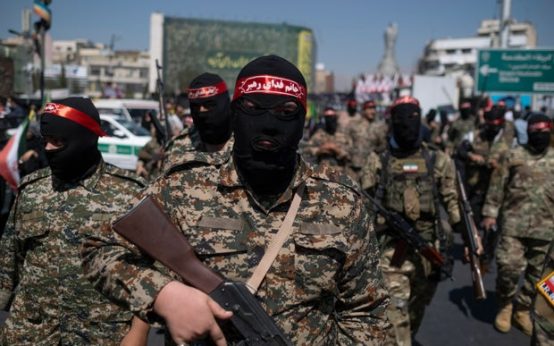 Tensions Escalate in Iran Conflict as Global Leaders Weigh Options
 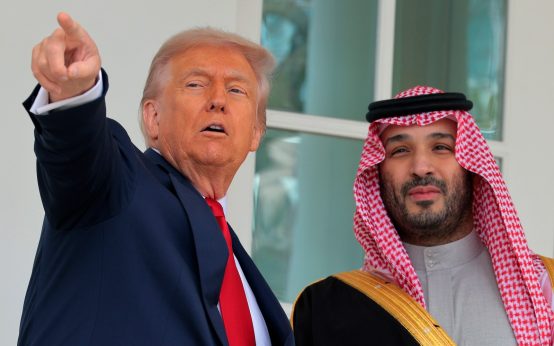 White House Approves F-35 Sales to Saudi Arabia Amidst Regional Tensions
  Inside the Secret Deals Powering the President’s Push to Deport Migrants to Countries Not Their Own
  Navigating the Challenges of Third-Country Deportations
  Midair Altercation on Bangladesh to London Flight