Bill Gates acknowledged a significant lapse in judgment by meeting with Jeffrey Epstein during a session with lawmakers. Gates emphasized his regret, stating he never should have interacted with Epstein. He denied any knowledge or indication of Epstein’s criminal activities.
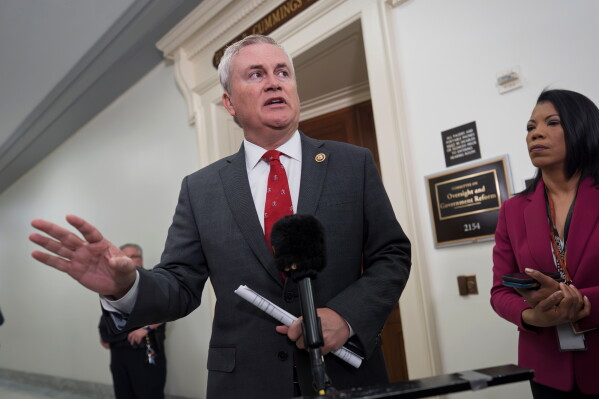
The Microsoft co-founder appeared voluntarily before the House Oversight Committee after documents from the Justice Department linked him to Epstein. Upon arrival at the Capitol, Gates expressed hope that his testimony aids the committee’s pursuit of justice for Epstein’s victims. Though he provided no comments after the session, Gates remained consistent in his denial of any connection to Epstein’s crimes, describing his former association as “a huge mistake.”
Committee Chairman James Comer formally sought Gates’ testimony based on multiple mentions in the Justice Department’s Epstein papers. Democratic members described Gates as cooperative during questioning. They highlighted his insights on others within Epstein’s circle and questioned his continued association with Epstein post-2008 guilty plea for soliciting a minor.
Speaking to reporters, Democratic Rep. Robert Garcia stated Gates continued interactions with Epstein to secure charitable funds, despite awareness of Epstein’s past. Previously, before the session, Comer emphasized the investigation’s aim to uncover governmental lapses in addressing Epstein.
Gates explained he met Epstein through professional contacts who shared philanthropic interests. His engagement aimed at tapping Epstein’s promises to generate massive funding for global health causes. Gates clarified he severed ties by 2014 after recognizing Epstein’s inability to fulfill those promises.
Inserting more context, released Justice Department files include records of their meetings, emails about philanthropic projects, and photos of events they both attended. Gates reassured the absence of any visits to Epstein’s notorious properties and denied any personal victimization by him.
Lawmakers gave varied accounts of Gates’ demeanor during the interview. While some, like Rep. Tim Burchett, found the questioning intense, others like Rep. Raja Krishnamoorthi perceived Gates as somewhat combative. However, Rep. Robert Garcia noted Gates was forthcoming despite challenging lines of inquiry.
The Gates Foundation clarified that while a few employees engaged with Epstein for potential philanthropic mobilization, no joint charitable endeavors or payments ensued. Gates’ relationship with Epstein allegedly strained his marriage with ex-wife Melinda French Gates.
The Epstein investigation continues as attempts to unveil associations with dominant figures persist. Epstein faced indictment in 2019 for sex trafficking minors and conspiracy. His suicide in custody ended his trial, yet the investigation endures, involving names spanning tech, finance, politics, and more.
Past depositions include former President Bill Clinton, who denied awareness of or involvement in Epstein’s illicit activities. Despite documented interactions during his presidency, Clinton disassociated from Epstein before the latter’s 2008 plea. Calls for former President Donald Trump to testify exist, yet Republicans report no evidence of misconduct from Trump regarding Epstein.
Committee inquiries may extend, potentially summoning attorney Alan Dershowitz and acting Attorney General Todd Blanche for future questioning, per Comer’s update.
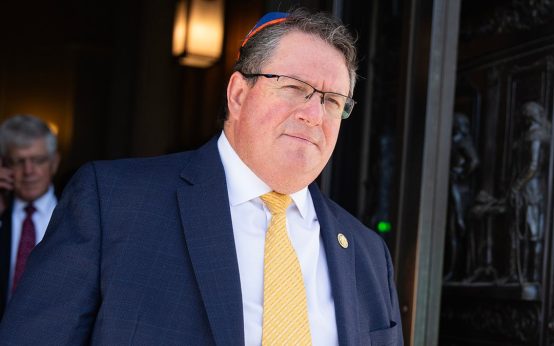 Randy Fine’s Bold Stance on Foreign Policy and Domestic Issues
 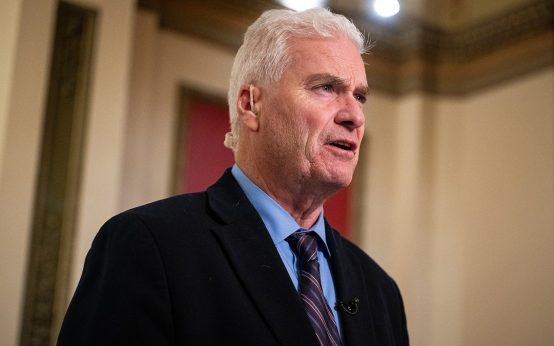 Political Strategies for the Upcoming Midterm Elections
  Trump Considers Diesel Export Ban Amid Rising Fuel Prices
 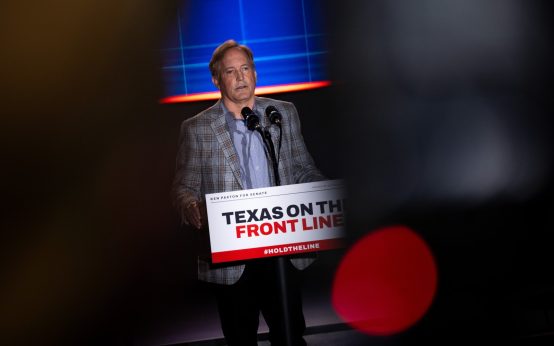 Texas Senate Race: Talarico Takes Lead in Youth Vote
 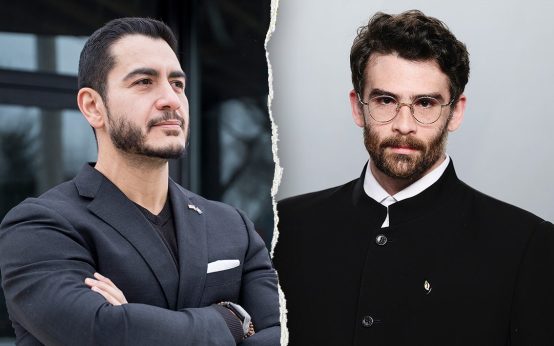 Criticism Arises Over Michigan Senate Nominee’s Association with Streamer
  Homeland Security Takes Action Against Voter Fraud