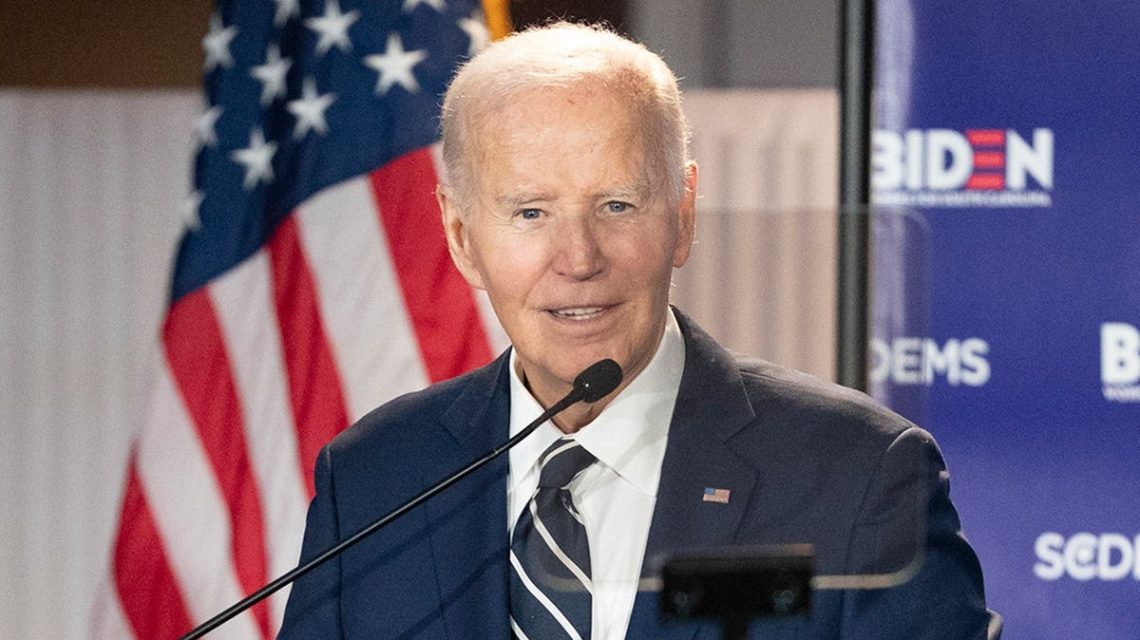
Former President Joe Biden has gained additional time to block the release of recordings and transcripts related to Special Counsel Robert Hur’s investigation into classified documents. A federal judge has issued a temporary injunction while an appeals court reviews Biden’s challenge.
The recordings originate from Biden’s interviews with Mark Zwonitzer, who collaborated with him on his 2017 memoir, Promise Me, Dad. U.S. District Judge Dabney Friedrich granted the injunction pending an appeal, halting the Justice Department from releasing the materials as the D.C. Circuit reviews the case. This order came shortly after a previous request from Biden for a preliminary injunction was denied.
The outcome of this legal battle could determine whether the public hears the recordings that influenced Hur’s decision not to prosecute Biden over classified document handling. The recordings face intense scrutiny, particularly due to questions about Biden’s memory raised by Hur. Although the Justice Department previously released audio from interviews with Hur, the current legal dispute centers on separate conversations between Biden and Zwonitzer.
Hur’s 2024 report cited Biden’s recorded exchanges with Zwonitzer, describing some as “painfully slow.” These observations contributed to scrutiny of Biden’s cognitive abilities during an election year.
“Release the Biden tapes and let Americans hear the truth for themselves,” urged Gregg Jarrett.
The Heritage Foundation and its Oversight Project director, Mike Howell, have sought these recordings and transcripts via FOIA requests for over two years. Foundation officials argue that public interest supports access to the material referenced in Hur’s report, explaining why the special counsel did not pursue charges.
Biden is fighting to prevent the release of potentially embarrassing recordings. Following Friedrich’s decision to deny a preliminary injunction, Biden’s legal team quickly sought emergency relief to preserve the current situation while appealing.
Biden’s attorneys argued that releasing the recordings would end the case prematurely, eliminating privacy protections and rendering the appeal largely moot. They emphasized that the FOIA litigation has been ongoing for over two years, and there is no urgent public requirement for immediate disclosure of conversations from roughly a decade ago. As a private citizen, Biden does not currently hold or seek public office.
Initially, the Justice Department withheld the recordings under FOIA exemptions. However, the department later decided to release the records with redactions, recognizing public interest in evidence considered by Hur. Biden then filed suit in May to halt the disclosure, claiming the tapes contain private conversations protected under the Privacy Act.
His legal team contends that the decision to release the recordings violates the Privacy Act and constitutes arbitrary agency action under the Administrative Procedure Act.
Leading Biden’s legal challenge is Amy Jeffress, a partner at Hecker Fink and former Justice Department national security official. Jeffress has signed recent emergency filings to prevent disclosure, drawing attention due to her marriage to U.S. District Judge Christopher Cooper. Judge Cooper, an Obama appointee, recently ruled against the Trump administration in a separate case, prompting criticism and accusations of potential conflicts of interest.
 The Case Against the Death Penalty
  Trump Proposes $5,000 Payment for American Adults if Republicans Secure Congress
  Trump Urges Republicans to Utilize All Voting Methods for Midterms
  The Erosion of Congressional Oversight
  Assessing the Impact of American Military Actions in the Strait of Hormuz
  Trump’s Aspirin Habit: Insights and Expert Opinions