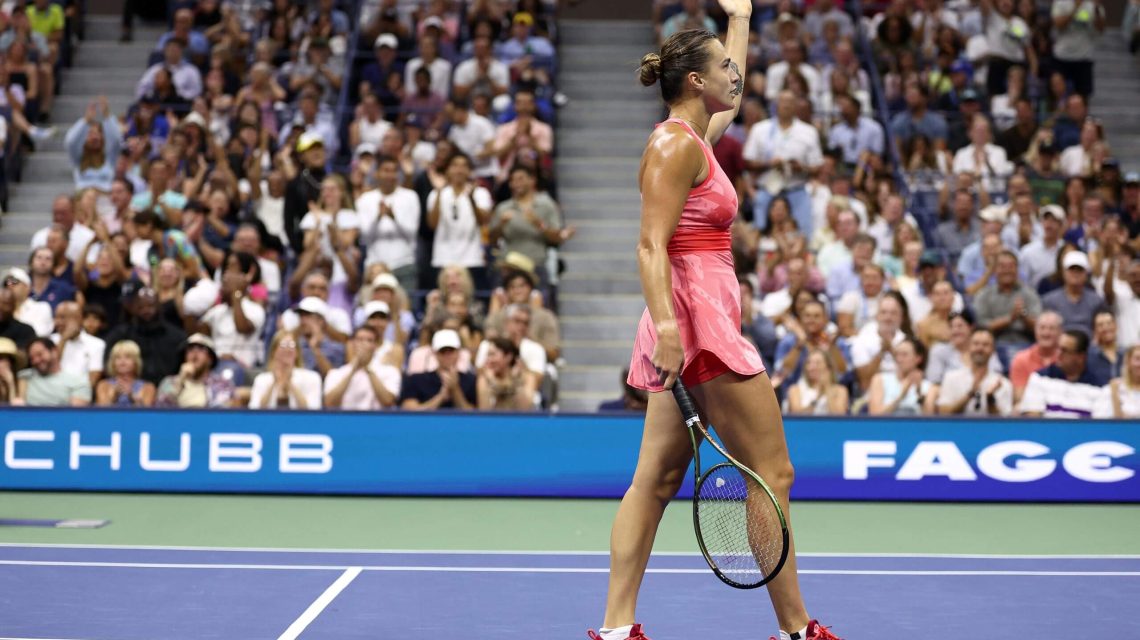
Aryna Sabalenka first arrived in New York City as a teenager. On her first morning, despite being jet-lagged, she ventured out at dawn, expecting a tranquil Central Park. To her surprise, the park was bustling with joggers, an overwhelming sight for someone from the quieter city of Minsk, Belarus.
A decade later, Sabalenka, now a world-class tennis player and two-time defending U.S. Open champion, has adapted to New York’s intense environment. She thrives on the city’s energy, which often proves challenging for others. Her ability to draw motivation from chaos is a key to her success.
“She can use it pretty well, this energy, and not let it drain her,” remarked her coach, Anton Dubrov, highlighting her unique approach to the U.S. Open atmosphere.
Sabalenka embraces even the taxing journey from Manhattan to the Billie Jean King National Tennis Center, using it as a moment of calm, akin to Roger Federer’s perspective. Her fondness for the bustling city has seen her reach three consecutive finals, showcasing her resilience and adaptability.
Unique Challenges of the Grand Slam
The U.S. Open, like other Grand Slams, poses distinct challenges. Unlike the long journey and time-zone adjustments required for the Australian Open or the slippery clay at the French Open, New York’s chaos is a test of endurance. Even stars like Novak Djokovic and Iga Świątek recognize its demanding nature.
Though not all players feel comfortable in New York’s vibrant atmosphere, Sabalenka has leveraged her time there to build a stronger connection with fans. Achieving world No. 1 status has also helped her garner support.
Navigating the New York Experience
To manage the hectic schedule, Sabalenka books hotel rooms high above the noise and sticks to a routine of strategic dining. She favors places like the Polo Bar for nutritious meals, maintaining her strength and focus.
Despite recent losses on the tennis circuit, Sabalenka’s renewed focus on her mental game has prepared her for the challenges ahead. Her coach actively works on channeling New York’s energy to bolster her performance.
Understanding the city’s demands and tapping into its offerings like the vibrant crowds and iconic venues is part of her strategy. She aims to harness the excitement without letting it overwhelm her.
The Final Stages
After matches, Sabalenka follows a strict post-match routine: recovery exercises, protein drinks, and massages are essential. Her physiotherapist, Helen Murawska, emphasizes the importance of recovery for maintaining top performance.
Adaptability is crucial. Adjusting to New York’s unpredictable schedule means sometimes sacrificing practice to prioritize rest. Sabalenka’s ability to quickly unwind and sleep is a vital skill during the tournament.
Sabalenka’s journey reflects years of effort to understand herself and leverage New York’s unique pressures. While perfection in preparation doesn’t guarantee victory, it ensures she remains a formidable contender.
 NFL Teams Facing Early Season Panic: Who Should Be Concerned?
 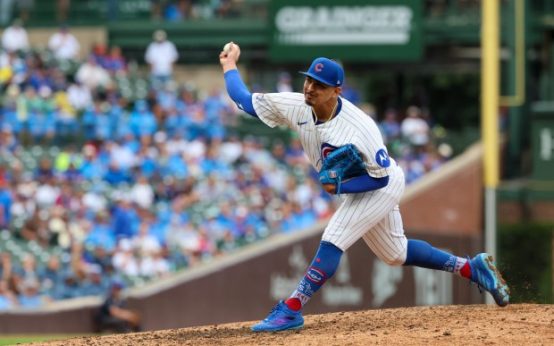 Chicago Cubs’ Reliever Palencia Makes Impactful Return
 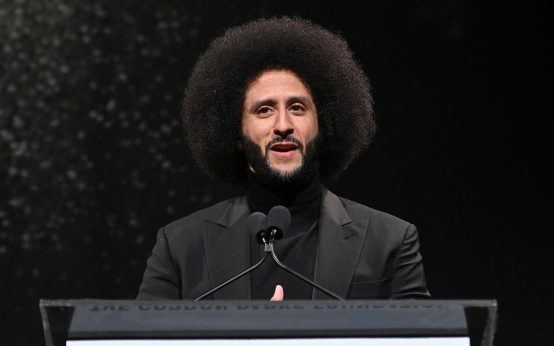 Colin Kaepernick’s NFL Comparison and Controversy
  Jerry Jones and the Cowboys Celebrate Victory over Washington Commanders
  Lane Kiffin Criticized Postgame, Justin Herbert Under Fire
  Caleb Williams’ Injury: Week-to-Week Prognosis Eases Bears’ Fears