Americans are relocating less frequently now compared to the pandemic era. Previously, remote work enabled many to leave crowded, high-cost cities for more affordable locations. Despite the slowdown, data shows certain cities are still experiencing significant population losses.
Population Decline in Major U.S. Cities
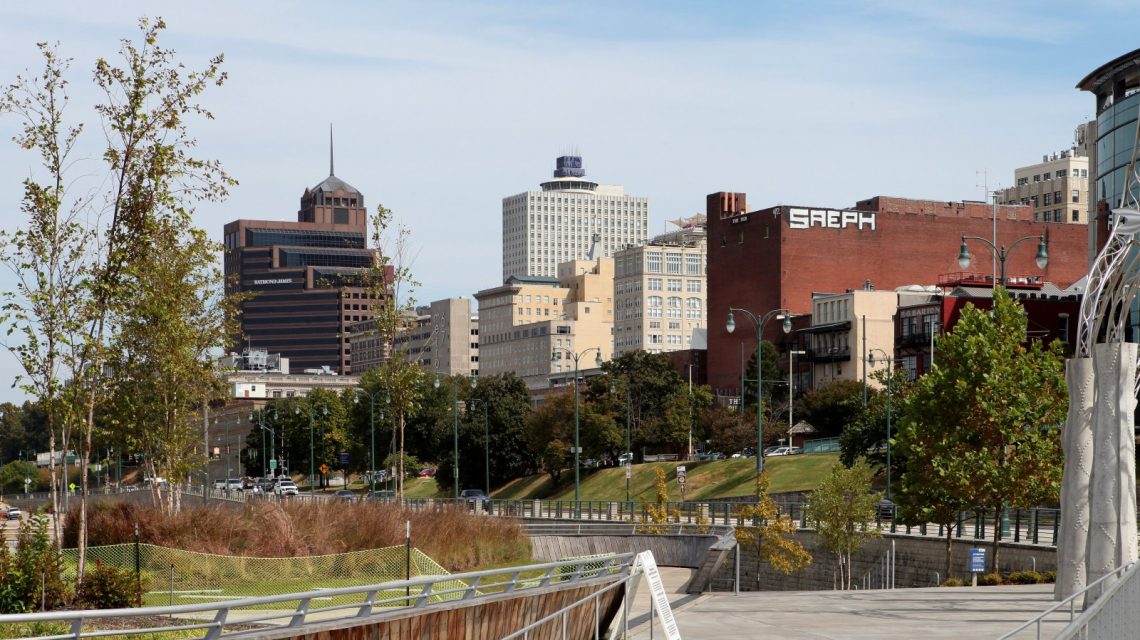
The Bank of America Institute’s latest report, released Friday, highlights that Memphis, Tennessee, saw the most significant population decrease among U.S. metropolitan areas in the second quarter of 2026, dropping nearly 1% from the previous year. Other cities with notable declines include Washington, D.C. (-0.73%), Los Angeles (-0.63%), Boston (-0.60%), Miami (-0.57%), Baltimore (-0.53%), Orlando (-0.49%), New York (-0.48%), San Jose (-0.44%), and St. Louis (-0.41%). These cities are some of the nation’s most expensive.
Affordability Drives Moving Trends
Moving rates among Americans decreased in the year’s second quarter across income levels, generations, and types of moves, according to the Bank of America Institute. The steepest declines were seen among lower-income families and millennials. These groups struggle to build wealth and achieve milestones like homeownership, making affordability a critical factor.
The Midwest, traditionally more affordable than the Northeast and West, led the nation in population growth during the second quarter. Fast-growing metros include Indianapolis (+1.87%), Columbus (+1.24%), Louisville (+1.15%), Cincinnati (+0.99%), Milwaukee (+0.99%), Minneapolis (+0.89%), Grand Rapids (+0.70%), and Cleveland (+0.37%).
Salt Lake City, Utah, a non-Midwestern city, topped the list for year-over-year growth at 1.88%. The city is known for its low unemployment, thriving job market, and outdoor amenities. Its cost of living is comparatively low; Redfin reports the median home sale price was $642,678 in June, while the median household income, adjusted for 2024 inflation, was $75,090.
Indianapolis also offers affordability, a strong job market, and vibrant cultural and culinary options. The median home sale price there was $258,859 in June, with a median household income of $66,219. Raleigh, North Carolina, saw a 1.25% increase, boasting a solid job market, life amenities, and education opportunities with affordable housing. The median household income reached $86,309 in 2020, while the median home sale price was $424,769.
For comparison, Redfin reports the typical U.S. home median sale price at $408,776 in June.
Cities Facing the Sharpest Population Loss
While some cities grow, others lose residents, often due to affordability, with exceptions. Memphis, despite being affordable, faces population decline due to limited job opportunities and high crime. Monthly living costs are $1,123.9, making Memphis 23.7% cheaper than Los Angeles, according to Numbeo. Payscale notes Memphis’s cost of living at 11% below the national average. Despite this, Memphis lost 35,970 residents since 2010, primarily due to employment issues and crime.
In contrast, high living costs drive residents out of cities like Washington, D.C., Los Angeles, Boston, and Miami. Payscale states the cost of living in Washington, D.C., is 39% above average, while Los Angeles is 52% higher. Boston is 48% over national average costs, and Miami, which tops New York for living costs, is 20% higher. Housing expenses are significant for these cities. In June, the median home sale prices were $699,619 in Washington, D.C., $1.1 million in Los Angeles, $859,532 in Boston, and $649,646 in Miami.
 Orland Park Plans Traffic Enforcement Measures
  Congressional Hearing Addresses Fatal Shootings Involving Federal Agents
  Texas Man Arrested in Shooting of 5-Year-Old Girl
  Star Meat Delivery Inc. Recalls Over 167,000 Pounds of Meat
  Debating Government Involvement in Family Homes
  Tinley Park Updates Downtown Parking Rules