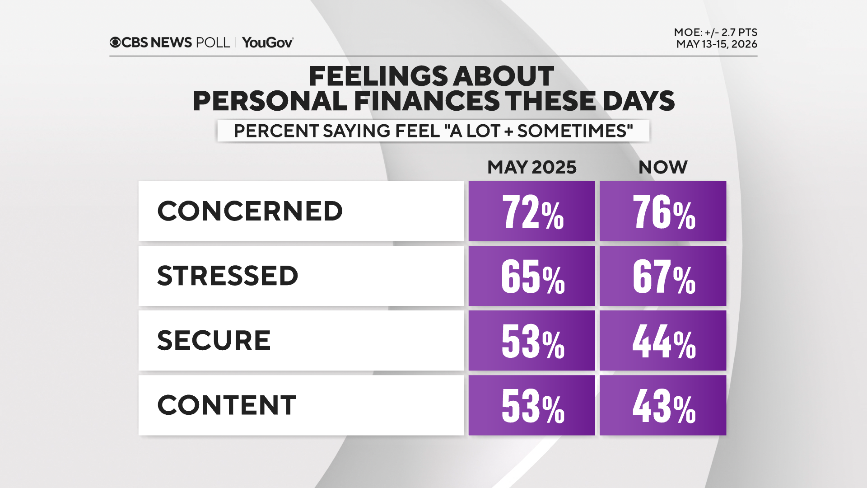
Large numbers of Americans express significant concerns about their financial situations, with feelings of security and contentment dropping compared to last year. The overall negative perception of the U.S. economy has intensified, reaching levels not seen since 2023. A significant majority, three-quarters, report their incomes are failing to keep pace with inflation. The economy is often described as ‘uncertain,’ reflecting both immediate and longer-term worries.
Specifically, rising gas prices weigh heavily on many, tied to events in Iran and developments in the Strait of Hormuz. Additionally, there is widespread dissatisfaction with President Trump’s economic policies. Neither political party is viewed positively in terms of addressing the cost of living. Concerns about AI potentially displacing jobs add to the stress. An increasing number of respondents feel career prospects are poorer compared to those of previous generations.
Iran Conflict and Economic Impacts
The uncertainty surrounding the U.S. economy is attributed partly to the conflict with Iran, affecting gas prices. Most Americans feel uninformed about day-to-day developments in the Strait of Hormuz. There is skepticism regarding whether the conflict is benefiting U.S. economic interests. Although perceptions of military success are somewhat higher, many consider it premature to evaluate the advancement of U.S. strategic interests, with no clear advantage perceived between conflicting parties.
President Trump’s Economic Challenges
Political ramifications for President Trump are evident. Two-thirds of Americans believe that his policies have negatively impacted the economy in the short term. While some officials recommend patience, only a few exhibit optimism about long-term improvements from his policies. Frustration and anger dominate public sentiment towards the administration’s economic strategy. Declining ratings persist among Republicans, particularly concerning inflation, since the Iran conflict and rising oil prices. Republicans dissatisfied with the handling of inflation express more ‘frustration’ than ‘anger.’
A noticeable disparity exists between Republican approval ratings on immigration (89%) and overall performance (85%), compared to inflation management (63%). President Trump’s overall approval rating has decreased again, reaching its lowest point in his second term.
Political Landscape and Economic Policies
Criticism is not limited to the current administration; Americans remain skeptical about the Democrats as well. Neither Democrats nor Republicans are majorly considered effective in managing the cost of living, though Democrats hold a slight edge. A significant portion of the population finds it challenging to discern a superior economic policy from either side.
Future Economic Prospects
The economic outlook remains largely pessimistic, with many anticipating a recession or slowdown. Worry prevails about job availability and the potential impact of AI on employment. Most individuals describe the economic situation using the word ‘uncertain’ and more frequently refer to it as ‘unfair’ rather than ‘fair.’ This pessimism is pronounced among Americans under fifty, who feel their opportunities are overshadowed by those of previous generations.
The CBS News/YouGov survey includes a representative sample of 2,064 U.S. adults interviewed between May 13-15, 2026, weighted according to demographic factors and past voting patterns. The margin of error is ±2.7 points.
 Dan Dakich Criticizes Kaepernick’s NFL Slave Trade Comparison; Simone Biles’ Car Theft Issue
  Controversy Over Racial Comments in College Admissions
 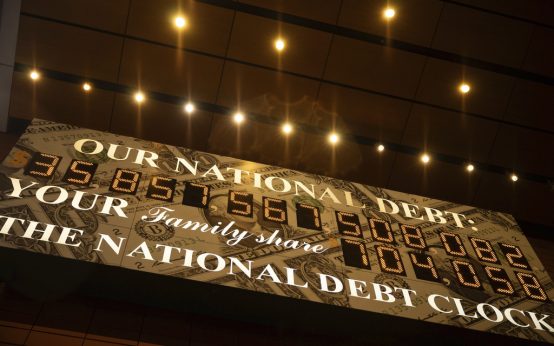 Facing the Reality of U.S. National Debt
 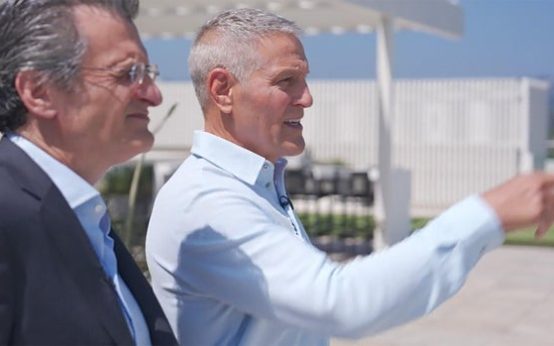 Ari Emanuel: A Hollywood Insider’s Journey
  Reader Reactions on Grizzlies and Data Centers
  Embracing Change: Navigating Political Shifts and Biases