Artificial intelligence is significantly reducing the cost of political advertising. This change allows campaigns to produce attack ads, memes, and targeted messages at a pace that was previously unaffordable.
Campaign teams now use generative AI to create content in minutes or hours. This process once required days of work from a team of writers, voice talent, and production crews. AI transforms political advertising from a costly campaign asset into something more affordable, enabling candidates to send more messages to voters.
While exact numbers are hard to pinpoint, AdImpact found 29 campaign ads with AI content in federal and gubernatorial races recently. The Wesleyan Media Project identified at least 164 AI-influenced ads.
The question remains whether using AI in campaign messaging leads to election wins. Jesse Hunt, a Republican consultant, highlighted the creativity and cost-effectiveness of AI in political advertising. Democratic strategist Chris Moyer emphasized that AI democratizes the tools campaigns use, allowing them access to resources previously limited by budget constraints.
Will Ritter, co-founder of Poolhouse, noted his agency’s increased AI use in ads. “This technology allows many people to create content. However, it’s important to use these tools properly,” he said.
Campaigns that ignore AI in messaging and voter outreach risk falling behind. Ciro Riccardi, campaign adviser for Republican Rep. Mike Lawler, stated that they use every legitimate tool to improve productivity.
AI’s effect on campaign success is debatable. Brian Shortsleeve, a Republican gubernatorial candidate in Massachusetts, gained attention with an AI-generated radio ad featuring an AI version of Democratic Gov. Maura Healey’s voice. Despite the ad’s impact, Shortsleeve lost the primary to Mike Minogue.
Los Angeles mayoral candidate Spencer Pratt used viral AI-generated videos to boost campaign visibility. His humorous videos portrayed him as a superhero, gaining millions of views. However, this exposure wasn’t enough for him to advance in the election.
The National Republican Senatorial Committee used an AI-generated ad against Democratic nominee James Talarico in Texas. Meanwhile, an image of GOP nominee Mike Rogers in Michigan went viral. The impact of AI in these races is still uncertain.
Campaign veterans acknowledge both positive and negative aspects of AI-generated content. Ritter highlighted AI’s potential to revolutionize the industry, emphasizing that success depends on using tools correctly.
Chris Moyer warned of growing skepticism among voters about the authenticity of AI-generated ads. Authenticity remains crucial, as emphasized by Jesse Hunt, who underscored that the best ads must feel genuine, not necessarily opting for the cheapest production route.
 Spain’s Prime Minister Announces Early Elections Amid Housing Crisis Backlash
 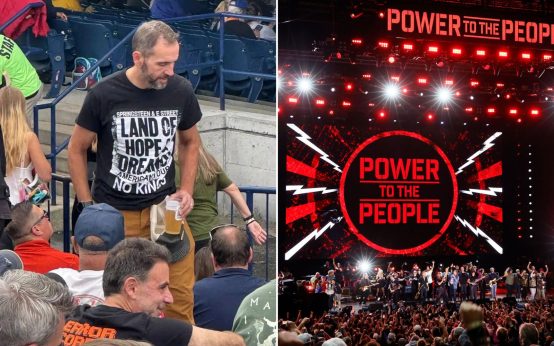 Former Special Counsel Jack Smith Appears at Music Festival
 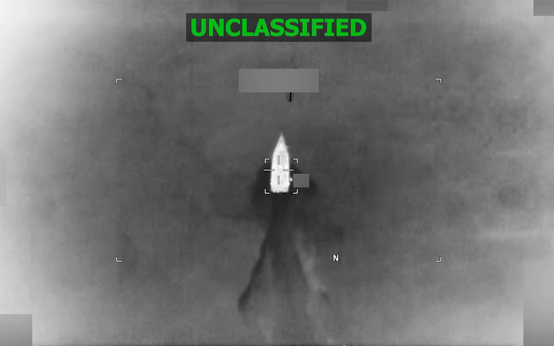 U.S. Military Strikes Vessel in Caribbean, Allegedly Involved in Drug Trafficking
  Support for White Nationalism Among Young White Men
  Public Reaction to President Trump’s Second Term
  The Case Against the Death Penalty