In recent years, the American Israel Public Affairs Committee (AIPAC) has emerged as a major force in American electoral politics. Within a short span, AIPAC has become one of the largest financial contributors in election campaigns nationwide. It primarily invests in congressional races, spending significantly in Democratic primaries.
Since entering the election arena, the spending by AIPAC-affiliated political action committees has increased from $29.3 million to $67.2 million. A significant challenge is on the horizon in the upcoming Democratic Senate primary in Michigan, where AIPAC has invested over $30 million to support Representative Haley Stevens.
Traditionally a bipartisan lobbying group focused on legislative influence, AIPAC shifted toward election campaign spending due to rising anti-Israel sentiment among Democrats. This shift has transformed AIPAC into a prominent player, particularly after establishing a super PAC, United Democracy Project, in 2022. This entity has outspent all other non-party special interest groups in media campaigning over the last three cycles.
Interestingly, most AIPAC-funded advertisements do not explicitly mention Israel. Between April 2022 and the end of the next year, only six out of 109 ads referred to Israel, focusing instead on widespread voter issues like abortion and the economy.
AIPAC’s strategy has led to a pronounced presence in campaigns, although it is sometimes less visible due to the nature of their advertisements.
United Democracy Project, as well as five smaller PACs funded by AIPAC, have been instrumental in candidate support or opposition. Notably, AIPAC’s funding has primarily targeted Democratic primaries but also expanded to Republican race involvement in 2024, focusing on candidates with critical views of U.S. support for Israel.
The group’s financial efforts have often been met with significant results, securing victories for candidates aligned with pro-Israel stances. AIPAC-backed candidates like Haley Stevens and others across Michigan, Illinois, and Maryland have seen substantial backing. Yet, a few targeted candidates have also managed to win despite facing significant opposition from AIPAC-affiliated campaigns.
Overall, AIPAC’s investment strategy, although sometimes controversial, underscores the complex relationship between its electoral involvement and U.S.-Israel policy debates. The organization’s future activities may continue to shape electoral outcomes, aligning with its goal to support a pro-Israel congressional majority.
 The War on Poverty: A Lesson on Intentions and Outcomes
 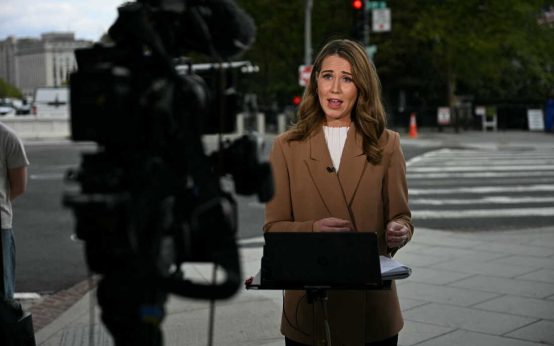 Reporters Blocked from White House by Trump Administration
  Universities Should Reject Political Influence on Research Funding
 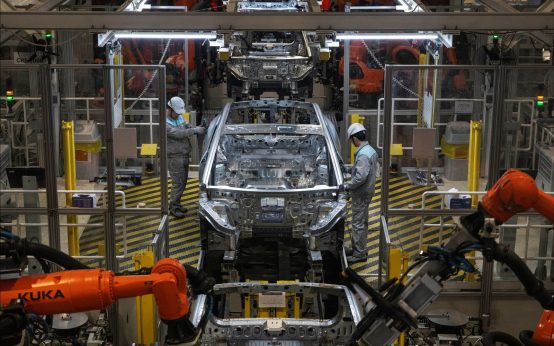 Trump’s Approach to China: Trade Dynamics and Challenges
  Media Outlets Sue After White House Ban
  American Public Opinion on Press Freedom