
In the weeks leading up to the June 30 Democratic primary, AI regulation emerged as a pivotal factor in Colorado’s 8th Congressional District race. This Latino-plurality seat in the northern Denver suburbs could affect the balance of power in the U.S. House. While the general election in November remains unpredictable, the primary witnessed Manny Rutinel securing a decisive victory, defeating Shannon Bird by 26 points.
Tech Donors Play a Key Role
What distinguished this race was not Rutinel’s margin but the financial backing he received from tech donors. Tech industry involvement in political races is a new phenomenon. Outside groups linked to tech figures spent $5.5 million on TV ads supporting Rutinel and opposing Bird. Direct contributions to Rutinel’s campaign totaled $265,000, with significant sums from employees at Anthropic, Google, Meta, and OpenAI.
A super PAC funded by Ripple’s co-founder, Chris Larsen, added almost $977,000 to Rutinel’s campaign. Additionally, former Google CEO Eric Schmidt and his wife, Wendy, contributed $2 million to the Latino-focused Somos PAC.
The AI Industry Split
This financial backing is part of a larger split within the AI industry, divided over regulation policies. Anthropic leads the regulation-minded camp, supporting candidates who advocate for AI safety. Rutinel, involved in drafting Colorado’s Consumer Protections for Artificial Intelligence law, aligned with this camp. Conversely, Bird opposed the law, positioning herself differently.
Despite Bird’s regulatory skepticism, she acknowledged AI’s potential for human advancement while emphasizing the need for safety measures.
Amendments to Colorado’s AI Law
Six weeks before the primary, Governor Jared Polis modified Colorado’s AI regulatory framework. The revised law reduces duties related to algorithmic discrimination but maintains certain obligations like disclosure and human review. Neither version of the law was operational during voting due to legal challenges.
The legal opposition highlights the complexity of pioneering AI regulation. The 2024 law faced industry pushback, including a lawsuit from Elon Musk’s xAI and intervention from the U.S. Justice Department.
The Money Debate
Bird highlighted the significant influx of tech-related money, characterizing her district as not for sale. Though Rutinel outraised Bird nearly two to one, much of the spending was through Latino-focused groups. Bird received support from organizations promoting women candidates, like EMILY’s List.
The narrative of Silicon Valley buying a primary oversimplifies the race, which involved competing donors and varied motivations.
The Implications for Future Elections
Colorado’s 8th Congressional District became a testing ground for tech donors interested in regulation-minded candidates. The evolving dynamics of tech politics integrate nuanced approaches to elect lawmakers capable of developing sustainable AI regulations.
In future elections, tech politics may continue influencing legislation through strategically targeted campaigns. The example set by Colorado suggests that AI regulation could be shaped by candidates who focus on broader, local issues.
 The Impact of Arts and Closure on Democracy
 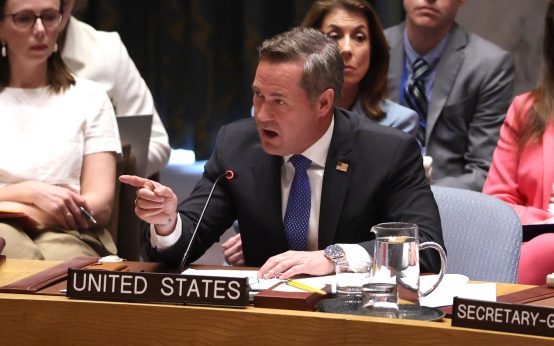 U.S. Ambassador Comments on Iran War Duration Amid Political Concerns
 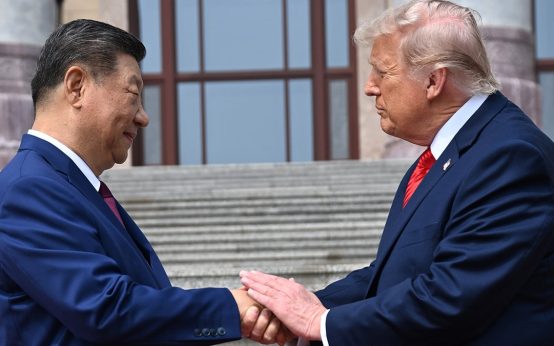 US-China Relations Under Scrutiny: Expert Warns of Escalating Tensions
  No Timeline for End of Iran Conflict
 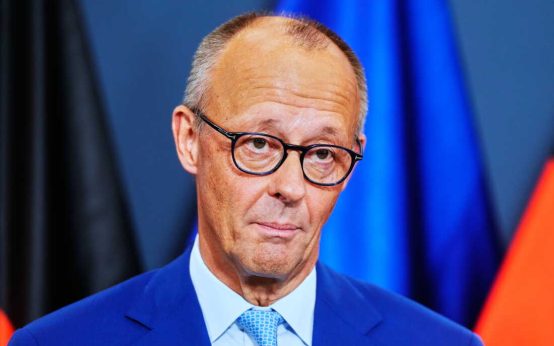 German Chancellor Merz Vows to Pursue Reforms Despite Election Setbacks
 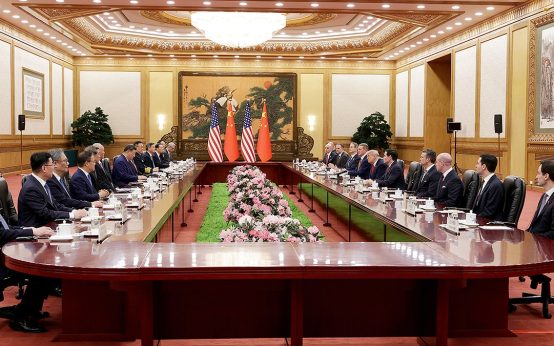 The Technology Rivalry: Trump’s Meeting with Xi and the AI Ecosystem Clash