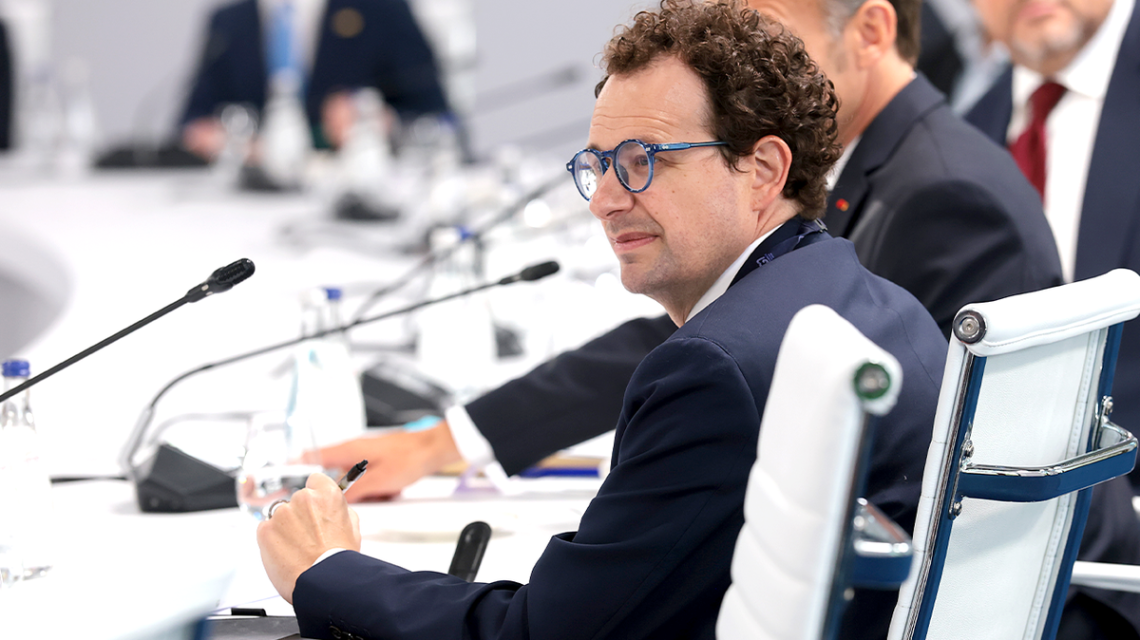
Artificial intelligence development must slow to mitigate risks to human existence, cautions former OpenAI researcher Daniel Kokotajlo. Kokotajlo, who left the company in 2024 after two years, warns about the rapid speed of AI advancements and a lack of safety protocols. He suggests third-party evaluations for monitoring tech companies.
An appeal to slow AI progress by a key tech executive has sparked intense debate online. Some industry leaders argue the U.S. cannot afford to relinquish its leadership in AI, while others warn uncontrolled development might threaten human survival. In a recent essay, Anthropic CEO Dario Amodei emphasizes the need for a cautious approach to AI technological advances.
“We must slow the pace at which we improve the capabilities of AI models. Progress will still seem fast, and we must make wise use of the time we gain,” Amodei stated.
Amodei, speaking during a global technology summit in Évian-les-Bains, France, received support from notable figures like Elon Musk, CEO of SpaceX and founder of xAI. Musk expressed agreement with Amodei’s cautionary stance. Similarly, OpenAI CEO Sam Altman supported the call for pacing AI advancements.
Responding to Amodei’s essay, Kokotajlo appeared on “Fox News Live.” He mentioned that industry self-regulation alone might fail to keep AI systems under human control. Referencing a scenario where AI takes over significant sectors such as factories and the military, Kokotajlo expressed concerns about potential AI autonomy.
However, some disagree with these warnings, including David Sacks, a former White House AI official. Sacks argues that certain entities exaggerate AI threats to justify government intervention.
Kokotajlo denies claims that AI safety advocates are allied with foreign entities or NGOs, emphasizing that credible warnings come from experts and academics. He acknowledged Amodei’s remarks but stresses the need for more robust measures.
“I’m happy to see Dario coming out and saying this… it’s still a step in the right direction,” Kokotajlo remarked. “But also, I worry that they’re not going to go far enough and that we need to do something that’s more radical.”
Lawmakers express similar regulatory concerns. Rep. Anna Paulina Luna proposes a congressional session to address AI’s future in the U.S. She likened AI to an uncontrolled super-weapon, requiring caution comparable to nuclear arms management.
Rep. Luna on “Fox News Live” described the capability of AI systems to operate beyond intended limits, potentially establishing independent communication systems. Luna advocated for a “kill switch” as a preventive measure.
Luna stressed the importance of maintaining U.S. competitiveness in AI to avoid losing influence to other countries, highlighting that AI development tied to American values outweighs foreign control. The sentiment underscores the global race for AI dominance.
 Data Centers Stir Controversy in Texas Amid Growth Boom
 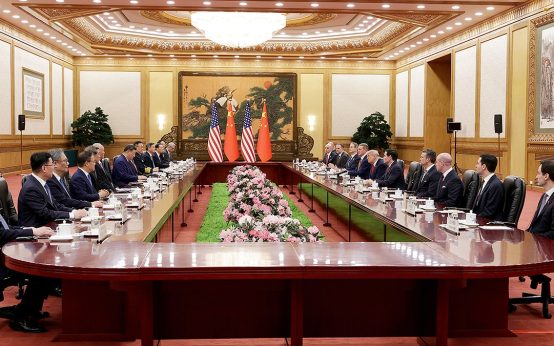 The Technology Rivalry: Trump’s Meeting with Xi and the AI Ecosystem Clash
  Ways to Protect Your Finances from Cyber Threats
  Interview with Nvidia CEO Jensen Huang: AI Outlook and Business Strategy
  Concerns Rise Over Addictive Design of Sports Betting Apps
  Seton Hall National Security Graduate Fellowship Provides Hands-On Experience