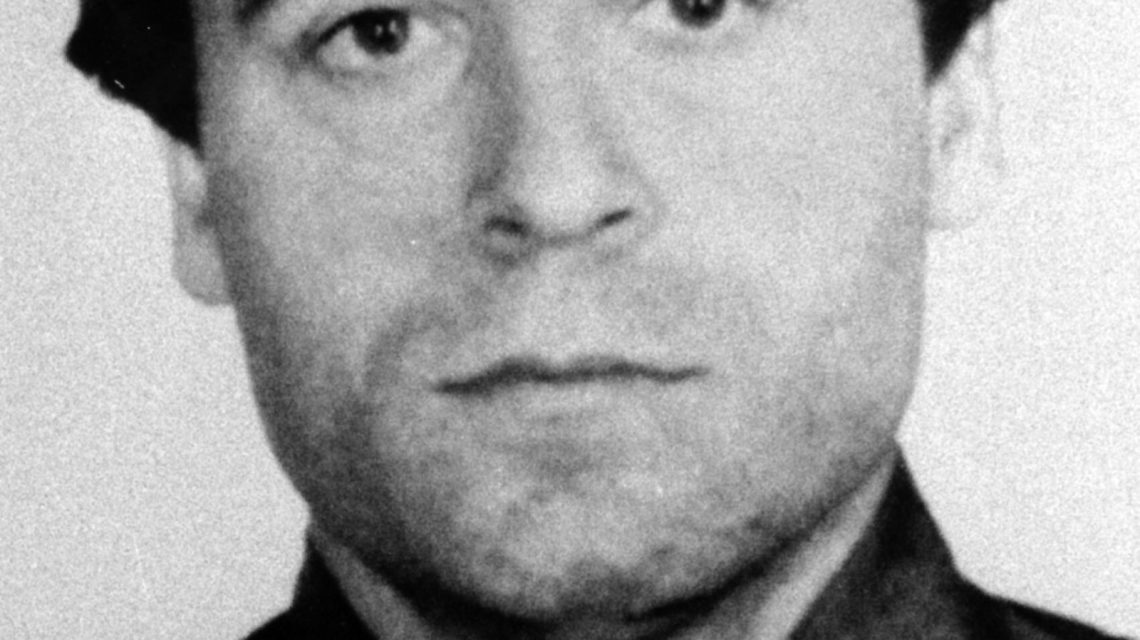
More than five decades after the tragic discovery of 17-year-old Melissa Ann Smith’s body near Salt Lake City, Utah, advancements in DNA testing have finally linked her death to Ted Bundy. This connection closes one of Utah’s oldest cold cases. Utah law enforcement officials announced that forensic evidence in the case of Laura Ann Aime led them to conclude that Ted Bundy was responsible for Smith’s murder in 1974.
Both cases benefited from new DNA technologies that can separate mixed samples. Summit County Sheriff Casey Bates stated, “This DNA evidence, when considered alongside evidence related to pattern, motive, means, and opportunity, established that Ted Bundy was responsible for Melissa Ann Smith’s murder.” Bundy’s confirmed victims now number 32, two more than initially confessed. Authorities continue to investigate his possible involvement in Nancy Wilcox’s death.
Who Was Ted Bundy?
Bundy was an American serial killer active in the 1970s, targeting young women across several U.S. states, including Washington, Utah, Colorado, and Florida. Known for his charm and manipulative skills, Bundy often used deceit to lure his victims. In 1977, he made two daring escapes from police custody before his final recapture.
Bundy’s infamy grew with the brutal 1978 attacks at Florida State University’s Chi Omega sorority house. His criminal activities have been portrayed in multiple films, documentaries, and books. Bundy was executed on January 24, 1989, at the age of 42 in Florida.
Who Were Ted Bundy’s Known Victims?
Bundy instilled fear nationwide, often targeting young female students. Investigators connected him to crimes in Washington, Utah, Colorado, Idaho, Oregon, and Florida. By the time of his final arrest in 1978, Bundy confessed to 30 murders, though it is believed the actual number was higher. Notable victims include Lynda Ann Healy, Georgann Hawkins, and Kimberly Leach, among others.
Authorities believe Smith may not be the last linked to Bundy. On Tuesday, they highlighted the case of 16-year-old Nancy Wilcox, who vanished in October 1974 and is suspected of being another of Bundy’s victims. “That does not close the book on Ted Bundy,” an investigator noted, emphasizing ongoing efforts in the Wilcox case.
How Investigators Solved the Smith Case
Smith’s remains were found by hunters on October 27, 1974, in a wooded area near the Summit County-Salt Lake County border. Although Bundy was a prime suspect, the case remained unsolved until recently. The breakthrough came through earlier work on another cold case. Investigators had earlier linked Bundy to Aime’s murder through DNA.
Advancements at the Utah State Crime Lab allowed for a DNA profile from Aime’s case, matching it to Bundy’s known profile. Similar Y-STR DNA analysis revealed connections between the Smith investigation and Bundy. Rebecca Kitchen from the crime lab noted the key role of Y-STR profiles in tracing male lineage DNA, which helped compare evidence after Bundy’s connection through the Aime case was established.
Years of investigative work and case evidence bolstered the DNA findings, allowing prosecutors to officially close the case. “We don’t ever destroy that evidence,” emphasized Salt Lake County Sheriff Rosie Rivera, stressing the importance of solving cold cases for victims’ families.
Relatives of Smith were informed before the public announcement. While they chose not to participate publicly, they expressed gratitude for the resolution. “Before these developments, there was never much doubt in my mind that Ted Bundy was responsible for Melissa Smith’s murder, but the DNA evidence removes any remaining uncertainty,” Jessica Jurewicz-Woods told Newsweek.