Americans recognize issues within the healthcare system. Premiums and deductibles are increasing, and medical bills often come with baffling charges. A major problem is the system’s focus on secrecy.
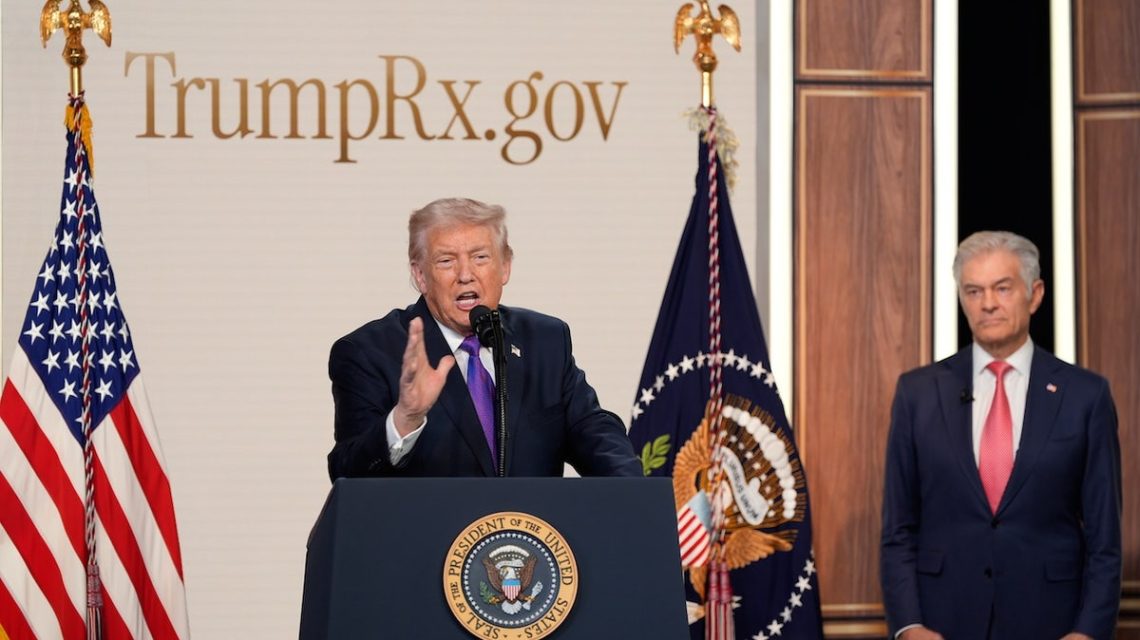
On May 18, President Trump tackled drug pricing with TrumpRX, a platform letting Americans find cheaper drugs, similar to Airbnb or Priceline.com. Next, hospitals and insurance companies need addressing.
Healthcare is costly and lacks transparency. Hidden prices, complex billing, and intermediary layers cost taxpayers and working families billions annually due to fraud, waste, and abuse. The Trump administration has the authority to provide relief now, but enforcement is missing.
Three steps could immediately reduce costs, reveal fraud, and restore trust:
First, provide upfront pricing to patients and enable them to combat fraud, waste, and abuse.
Patients often discover true costs after treatment when bills arrive. By then, cost comparison or disputing questionable prices is too late. The No Surprises Act proposed Advanced Explanation of Benefits (AEOB) during Trump’s first term, requiring upfront itemized charges before care. Implementation stalled under Biden.
Completing AEOB could create immediate accountability. Patients could compare prices and identify inflated charges before treatment, documenting discrepancies for future insurer or provider disputes.
Second, audit and enhance the federal employee health program.
The Federal Employees Health Benefits Program is a large healthcare purchaser without basic cost transparency. The Office of Personnel Management can demand standardized claims and pricing data, conduct thorough audits, and verify dependent eligibility. Audits may uncover duplicate billing and inflated charges.
Eligibility verification can remove outdated enrollments, saving taxpayer funds. Stronger oversight could save billions without reducing benefits or enacting new laws.
Third, enforce transparency in employer health plans.
Many Americans have coverage through employers or unions, yet employers lack data to control costs and identify fraud. This must change.
The Department of Labor is enhancing compensation disclosure requirements under ERISA for Pharmacy Benefit Managers. These requirements should extend to third-party administrators, insurers, stop-loss carriers, and entities receiving plan compensation.
Employers need direct access to claims data and fee structures, avoiding intermediary secrecy. Transparency shifts employers from passive payers to active negotiators of better value.
The tools for transparency exist, but enforcement is lacking. Rules are in place for hospitals and insurers, yet many organizations submit incomplete pricing data without consequence.
Americans want accountability for hidden prices and surprise charges. This issue transcends ideology, focusing on whether patients, employers, and taxpayers deserve to understand their spending.
Existing authority and laws allow transparency, but enforcement is necessary. Effective price transparency enforcement can empower Americans and make healthcare affordable, achievable by the Trump administration.
Amb. Andrew Bremberg previously served as assistant to the president and the director of the Domestic Policy Council for President Donald Trump.