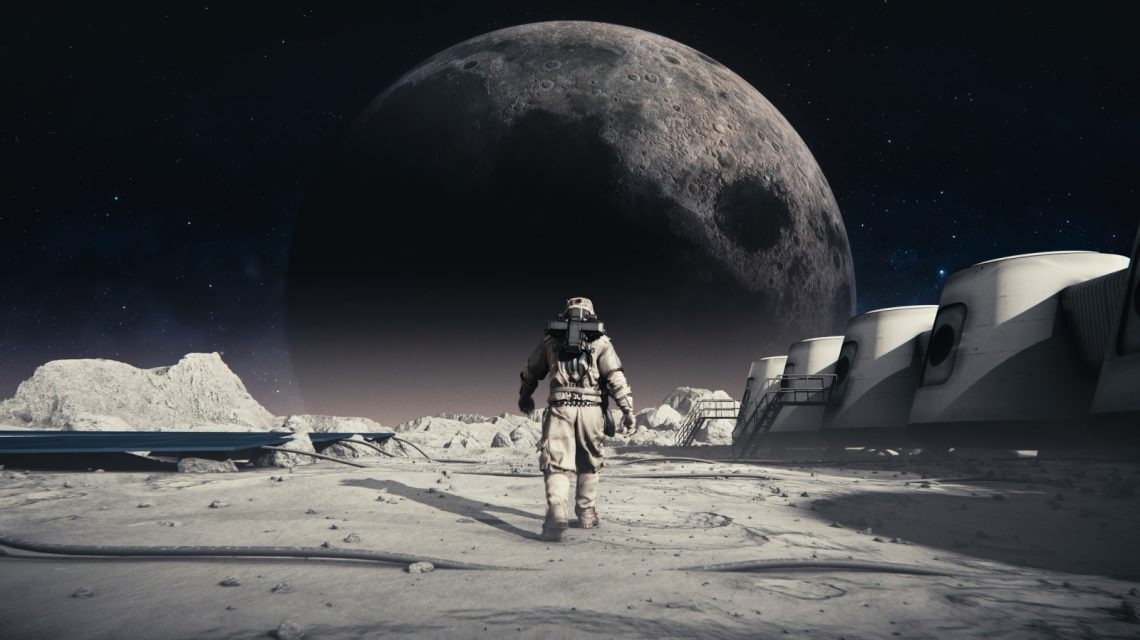
NASA is turning its vision for a lasting human presence on the moon from science fiction into reality. The agency has outlined a detailed plan for a Moon Base near the lunar South Pole, aiming for a “sustained human presence” where living and working on the moon is the norm. This plan includes partnerships for lunar exploration, with contracts for vehicles and delivery systems to the moon.
By the end of June, NASA selected three companies to land four missions on the moon by late 2028. As these plans progress, experts suggest lunar settlements will differ from Earth’s skyscraper-filled cities. George Sowers, who teaches in the space resources program at the Colorado School of Mines, believes lunar city concepts are technically possible.
“Why not? Absolutely,” Sowers commented, highlighting that tall structures could be built more easily using lunar materials. He pointed out that engineering challenges like hurricanes and earthquakes on Earth would not affect the moon, which lacks a significant atmosphere and is seismically inactive.
Hao Chen, an assistant professor at Stevens Institute of Technology, suggested lunar skyscrapers would likely be functional habitats, using local lunar materials such as processed lunar regolith. Despite the moon’s lower gravity, which allows for greater architectural freedom, the focus would remain on life-supporting functions like pressure containment and radiation shielding.
While building tall has its benefits, many experts argue that future lunar cities will be underground. Sowers expects the settlements to be subterranean to protect against harsh radiation. He mentioned the potential of lunar lava tubes, large tunnels formed by ancient volcanic activity, which could provide natural shielding.
Architect Scott Specht expressed a similar view, emphasizing underground living. He suggested that “lava tubes and caves beneath the lunar crust offer perfect shelters” as they provide natural radiation protection and stable temperatures, unlike the extreme climate on the moon’s surface.
Nathan Silvernail, co-founder and CEO of Plantd, a former SpaceX engineer, anticipates a mostly underground lunar civilization. He foresees using processed regolith and nuclear power for construction and energy needs. Silvernail stated, “Making walls and doors from locally produced materials would be the most efficient approach.”
Specht believes making lava tubes livable would be a straightforward task by aerospace standards, requiring pressurized modules for an atmosphere and solar panels for power.
Impact on Earthly Architecture
Lunar construction innovations might influence Earth’s architecture. Chen noted that developing buildings as closed-loop ecosystems could revolutionize sustainable building practices on Earth. Techniques such as autonomous robotics and zero-waste systems could benefit regions with scarce resources.
Specht suggested that lunar architecture’s greatest impact could be a focus on interior design, as lunar habitats lack external views or facades. This idea of designing enclosed environments is a lesson that could benefit Earth’s architecture.
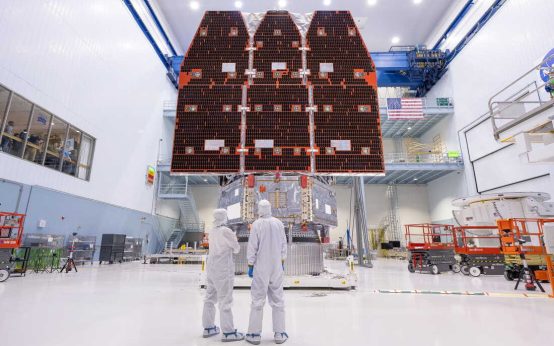 NASA’s Challenges Amid Goddard Space Flight Center Relocations
  Lost City Linked to Jesus Discovered Near the Sea of Galilee
  NASA’s Launch of the Nancy Grace Roman Space Telescope
  NASA Launches Nancy Grace Roman Space Telescope to Explore Universe’s Mysteries
 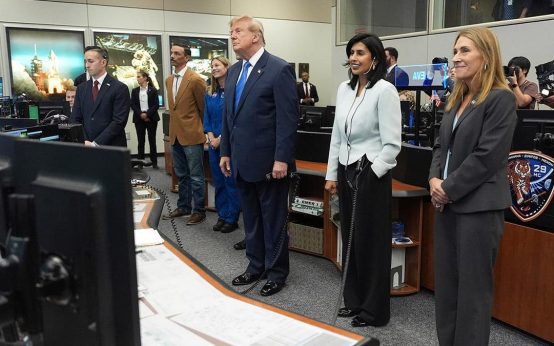 Trump Engages with Astronauts and Honors Artemis II Crew
  NASA’s Nancy Grace Roman Telescope Prepares for Launch