
Nearly two decades ago, when I began my journey as a political science professor, mastering a crucial skill seemed necessary. It was the ability to bring silence to a room bustling with energetic undergraduates. Times have certainly changed.
Nowadays, the scenario is contrasted by entering a classroom filled with students immersed in their smartphones, barely nodding to the peers around them. This behavior reflects a broader issue affecting many young adults today.
Today’s college environment often sees students isolated due to digital distractions. Personal interactions have diminished, highlighting a need for awareness and change. It is vital for educators to address this modern form of loneliness that excludes young people from connecting deeply with those around them.
For educators like myself, recognizing this shift in social dynamics is essential. By encouraging students to engage beyond virtual spaces, we aim to foster a more connected classroom environment. Simple strategies can help, such as initiating group discussions or collaborative projects where students must face each other and communicate directly.
In doing so, we not only help students recognize the real world around them but also improve their interpersonal skills. The journey from digital detachment to meaningful interaction is possible, paving the way for a more compassionate and understanding society.
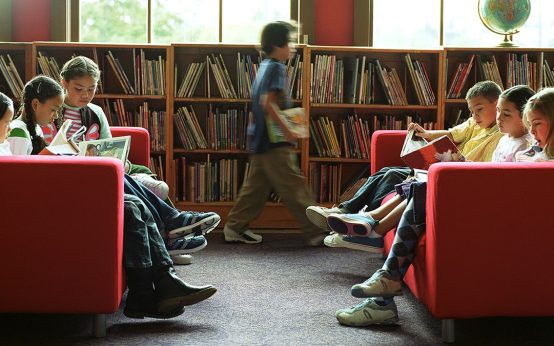 Rediscovering Charlotte Mason’s Approach to Education
  Federal Student Loan Borrowers Face Deadline for New Repayment Plan
 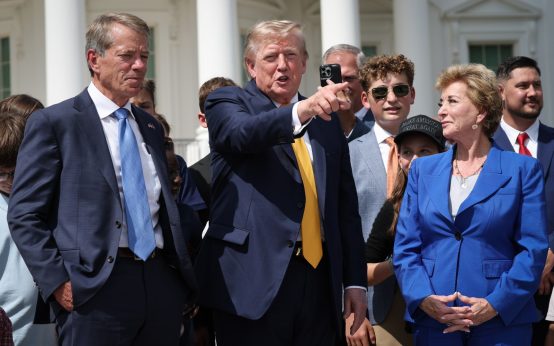 Call for Oversight in Student Loan Servicing
  Dedicated Educator Stays On to Support Growing Program in Rural Missouri
 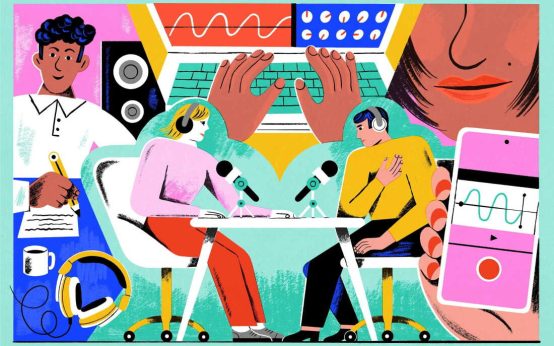 College Podcast Challenge: A Catalyst for Change
  NPR College Podcast Challenge Returns for Another Year