On college campuses, a sense of energy and anticipation fills the air as students adjust to new classrooms, meet roommates, and participate in events like pep rallies and rush week. As autumn approaches, the excitement surrounding intercollegiate competition grows. It is the season for the NPR College Podcast Challenge.
Once again, students from universities across the nation will compete for the top prize of $5,000 for the best college podcast in America, along with a $500 scholarship for finalists. This competition, now in its sixth year, has drawn entries from thousands of students across all 50 states and the District of Columbia.
The contest has showcased a rich variety of stories, including personal narratives, in-depth explorations of unique topics, and insightful journalism on issues significant to students. Notable entries have included:
- A vibrant portrayal of living with a rare mental health condition by an international student at Miami Dade College.
- Interviews and reflections by a Fordham University senior as his grandparents cope with cancer and dementia.
- A Penn State freshman’s report on a little-known incident involving a young Cassius Clay and farm boys from Indiana.
- A Colorado College student’s discovery that her sperm donor father was a jazz musician, not a doctor.
The College Podcast Challenge evolved from the NPR Student Podcast Challenge, introduced in 2018 for grades 4-12. This year, it expands to include the new Senior Podcast Challenge for participants aged 65 and older.
How It Works
The competition rules remain largely the same: submissions must be audio stories no longer than eight minutes and must not contain copyrighted music. Each year, many entries are disqualified for failing to meet these basic requirements. Submissions can be made via the NPR website.
Helpful Tips
Recent trends indicate improvements in sound production and storytelling among students. They appear more at ease speaking into microphones and have enhanced their editing and production skills.
However, creators are cautioned against excessive sound effects and music. Although these elements can be engaging, overuse may lead to disqualification due to rule violations or distract from the story. The ideal approach uses minimal or no sound effects and music.
NPR advises participants to prioritize story quality and adhere to journalistic standards and ethics, emphasizing:
- Original storytelling without AI assistance.
- Balanced reporting that respects all perspectives.
- Avoiding personal or private revelations about story characters.
The goal is straightforward – tell a compelling story. Grab your microphone, start recording, and share your narrative with the NPR audience. Further guidelines and tips for scoring and audio improvement are available on the NPR website.
 Dedicated Educator Stays On to Support Growing Program in Rural Missouri
 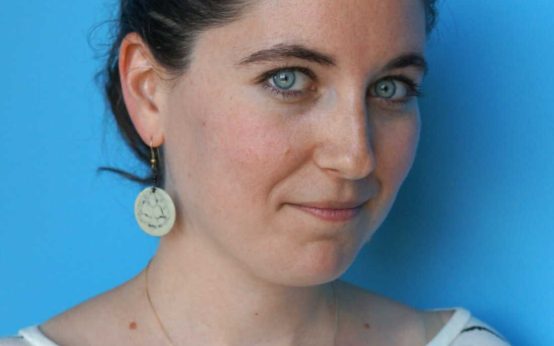 Tribute to Rose Friedman: A Legacy of Journalism and Passion
 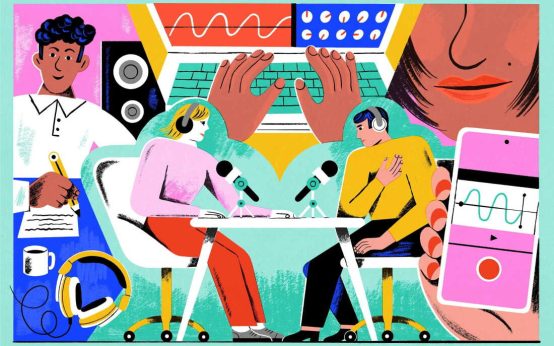 College Podcast Challenge: A Catalyst for Change
 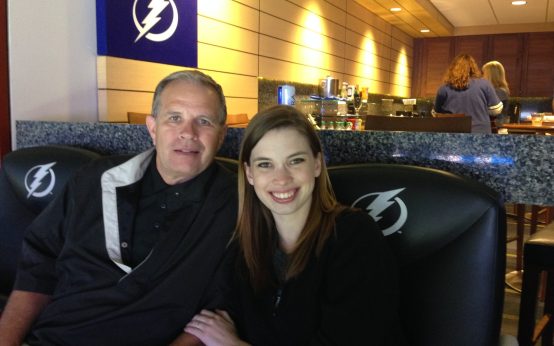 The Importance of Family Support During Personal Transitions
  Grandparents and Rising Childcare Costs