In Washington, D.C., a recent surge of activism highlighted a stark divide within the Democratic Party. Ice cream entrepreneur Ben Cohen, along with far-left nonprofit CodePink, staged a protest in a Congressional office demanding the end of war in Iran and changes in U.S. military relations. Their focus was not on Republicans, but on pushing Democratic leaders.
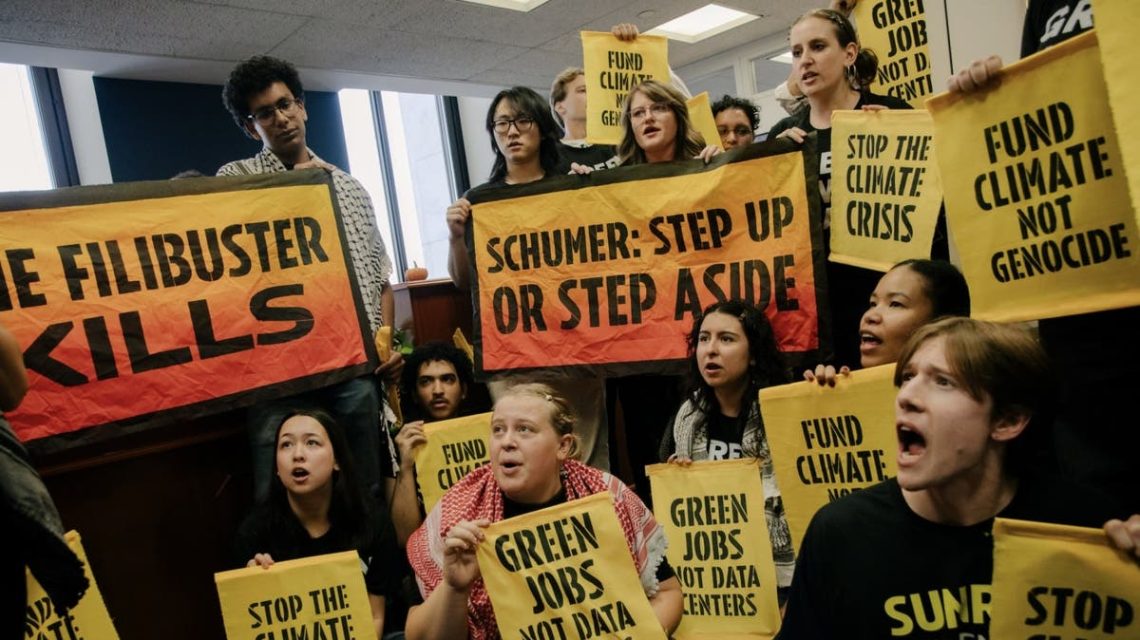
Simultaneously, in another building, anti-Israel demonstrators were arrested after protesting alleged injustices against Palestinians. Similar confrontations occurred in the Senate Hart Building, with young activists from the Sunrise Movement expressing disdain for a senator’s political stance by occupying his office.
The next day, a Climate Defiance activist confronted a prominent Democrat at a conference, branding him a ‘traitor’. These protests were not isolated incidents but part of a broader push by far-left aligned groups.
The Targets: Pelosi, Jeffries, and Schumer
Ben Cohen, known for co-founding Ben and Jerry’s, specifically targeted Nancy Pelosi. Meanwhile, anti-Israel protesters filled the office of Hakeem Jeffries, critical of their party’s alignment with Israel. The Sunrise Movement aimed their efforts at Senate Democrat Chuck Schumer, signaling a broader strategy to challenge the party hierarchy.
The ‘Red-Green-Blue’ Alliance
This multi-group alliance comprises socialist, environmental, and various activist organizations. They wish to end U.S. support for Israel, an agenda driven by 22 groups reportedly generating $342 million annually. Their campaign dubbed ‘CHUCK CHUCK’ aims to remove Schumer as Senate majority leader using coordinated messaging and social media tactics.
Efforts include political endorsements against Schumer, local protests, and calls to senators ahead of an important election. An upcoming demonstration on Schumer’s birthday is backed by Indivisible Project, a traditionally Democratic group.
Internal Friction and Larger Agendas
As internal tensions rise, some liken the situation to a ‘Frankenstein’ parable, where powerful activism now challenges its creators. Notably, Neera Tanden from the Center for American Progress described dissenters as ‘chaos agents’. This sentiment echoes across the party’s discourse, as prominent Democrat allies perceive similarities between these activists and conservative disruptors.
Ideological Motivations
Some activists, such as CodePink co-founder Jodie Evans, articulate a socialist-driven outlook, advocating for equality and opposition to both major parties. This sentiment reinforces a fracture in opposition to former President Trump, dividing those who push for further leftward policies from those seeking restructuring beyond traditional party lines.
Pro-Palestinian Movements and Anti-Israel Agendas
A key thread connects these protests: anti-Israel sentiments, aligning with broader pro-Palestinian movements advocating for a single democratic state and challenging Israel’s identity. Activists call for Palestinians’ ‘right of return’ and equal rights, opposing Zionism and promoting a ‘free Palestine’.
Despite their internal disagreements, these groups share a consistent stance against U.S. support for Israel, drawing on influential figures like Neville Roy Singham to fund their operations. Investigations into foreign influence are ongoing, but no charges have been filed.
Confrontations resemble past protests at Democratic events, such as the 2024 Democratic National Convention, where activists criticized the party for supporting Israeli actions. These sentiments persist in present demonstrations, voicing economic and social grievances while rallying against current Democratic leadership.
Resilient Opposition
Despite Democratic midterm victories, activists persist in their demands. The tension continues as Alexander Soros, heir to the Soros fortune supporting Democratic causes, critiques the Sunrise Movement for diverging from core environmental goals.
Additional protests and challenges signify ongoing agitation. For instance, by November, demonstrators openly challenged Schumer and Jeffries, demanding significant changes in leadership and political direction.
Their persistence underscores a significant challenge for centrist Democrats, drawing support from prominent political nonprofit groups, and setting the stage for continuous internal conflict within the Democratic ranks.
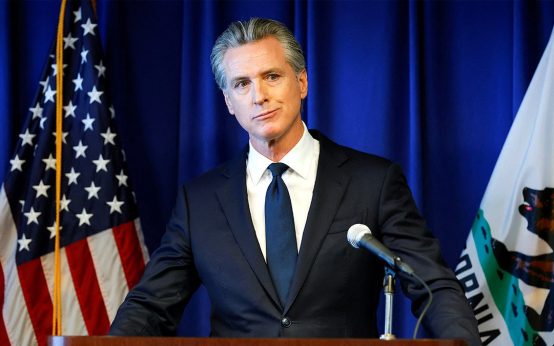 Controversy Surrounds Governor Newsom’s Death Sentence Commutation Plan
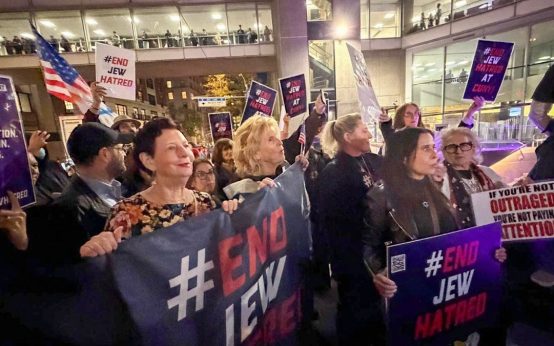 Jewish Activist Criticizes Event Cancellation at CUNY School
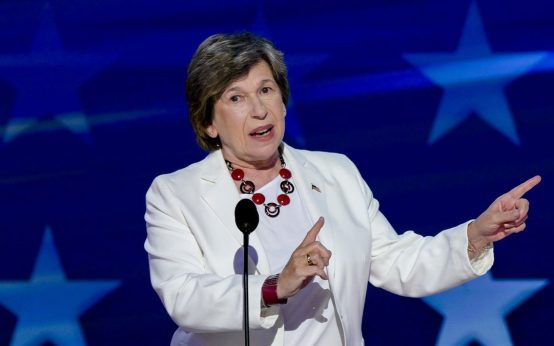 Debate on School Choice in Texas Elections
 Amy Klobuchar Takes On Governorship with Promises for Minnesota’s Growth
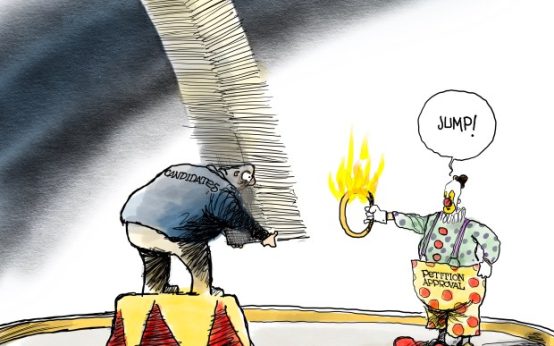 Challenges of Signature Requirements for Political Candidates in Illinois
 Debate Rekindled Over Gray Wolves and Livestock Losses