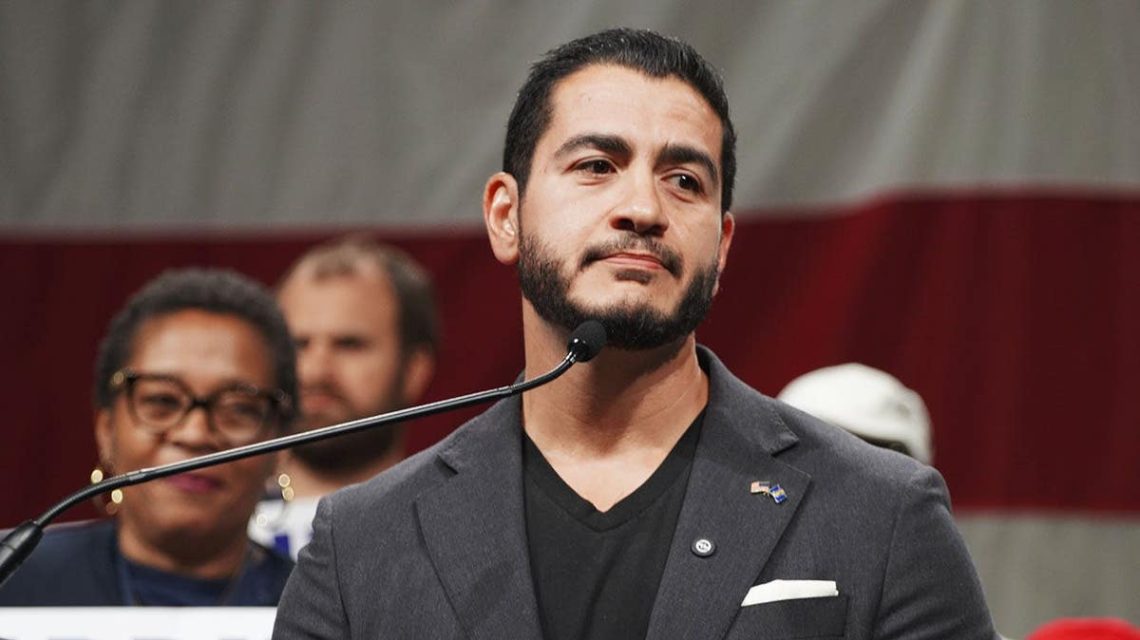
Michigan’s Democratic Senate candidate, Abdul El-Sayed, has been linked to a protest he led in 2007 against a group of speakers at the University of Michigan. The event featured Walid Shoebat, Zachariah Annani, and Kamal Saleem, who labeled themselves as former terrorists turned Christians. This resurfaced report becomes significant amidst El-Sayed’s race against the Republican nominee Mike Rogers.
The protest was organized by students at the university, who staged a walkout. El-Sayed, a leader at the event, expressed satisfaction afterward, emphasizing the importance of continued efforts in such activities.
Cole Wozniak, El-Sayed’s campaign spokesperson, stated that El-Sayed has consistently condemned terrorism. Wozniak accused Rogers of spreading falsehoods to distract from issues like rising gas and grocery prices under the Trump administration’s policies.
The credibility of Shoebat, Annani, and Saleem has also been questioned. The New York Times reported uncertainty about their backgrounds, prompting concern over their appearance at institutions like the Air Force Academy. Critics asked why they had not faced legal actions despite alleged ties to terrorist groups.
Event organizers insisted that the event aimed to educate about Muslim extremism rather than spread intolerance. Protesters, dressed in yellow, contended that the event stereotyped Muslims adversely.
At the time, El-Sayed served as vice president of the Muslim Students Association (MSA), which some allege has historical connections with the Muslim Brotherhood. This organization has been under scrutiny, with the Trump administration seeking to designate parts of the Muslim Brotherhood as terrorist entities due to associations with groups like Hamas.
Lara Burns, a senior research fellow, provided testimony indicating the influence of the Muslim Brotherhood in the U.S., notably through campus organizations such as the MSA. The Trump administration sought to designate various chapters of the Muslim Brotherhood as terrorists for connections with militant activities.
The MSA did not provide comments when approached. Meanwhile, President Trump’s orders to label certain Muslim Brotherhood chapters reflect ongoing geopolitical tensions.
 The Impact of Arts and Closure on Democracy
 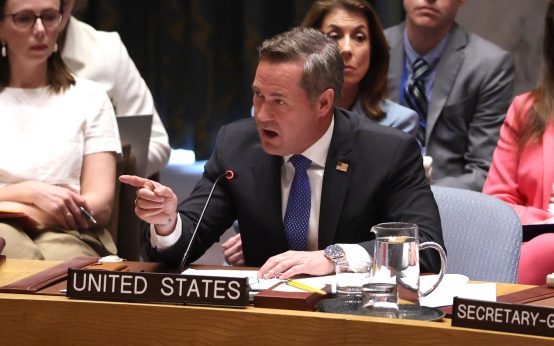 U.S. Ambassador Comments on Iran War Duration Amid Political Concerns
 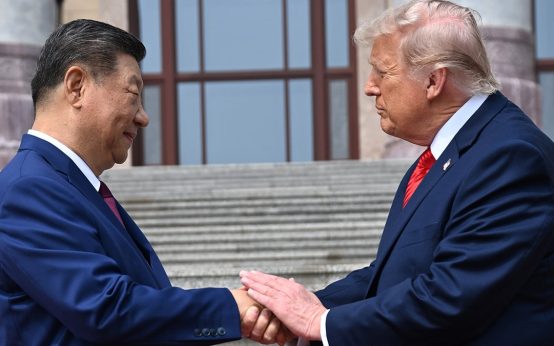 US-China Relations Under Scrutiny: Expert Warns of Escalating Tensions
  No Timeline for End of Iran Conflict
 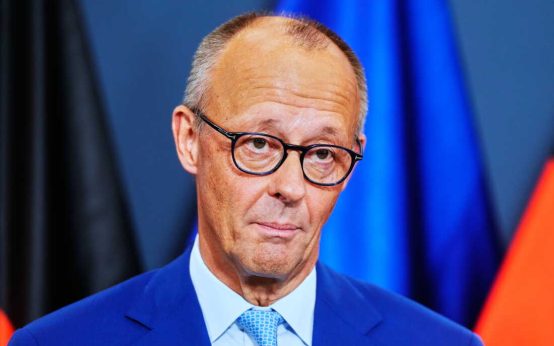 German Chancellor Merz Vows to Pursue Reforms Despite Election Setbacks
 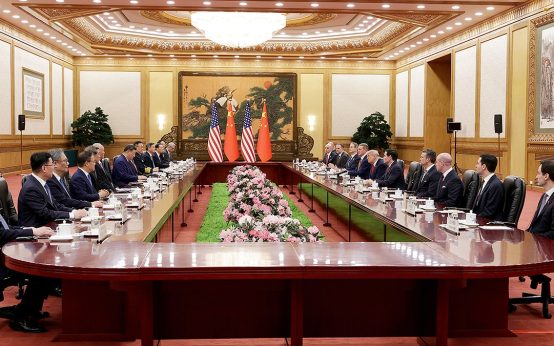 The Technology Rivalry: Trump’s Meeting with Xi and the AI Ecosystem Clash