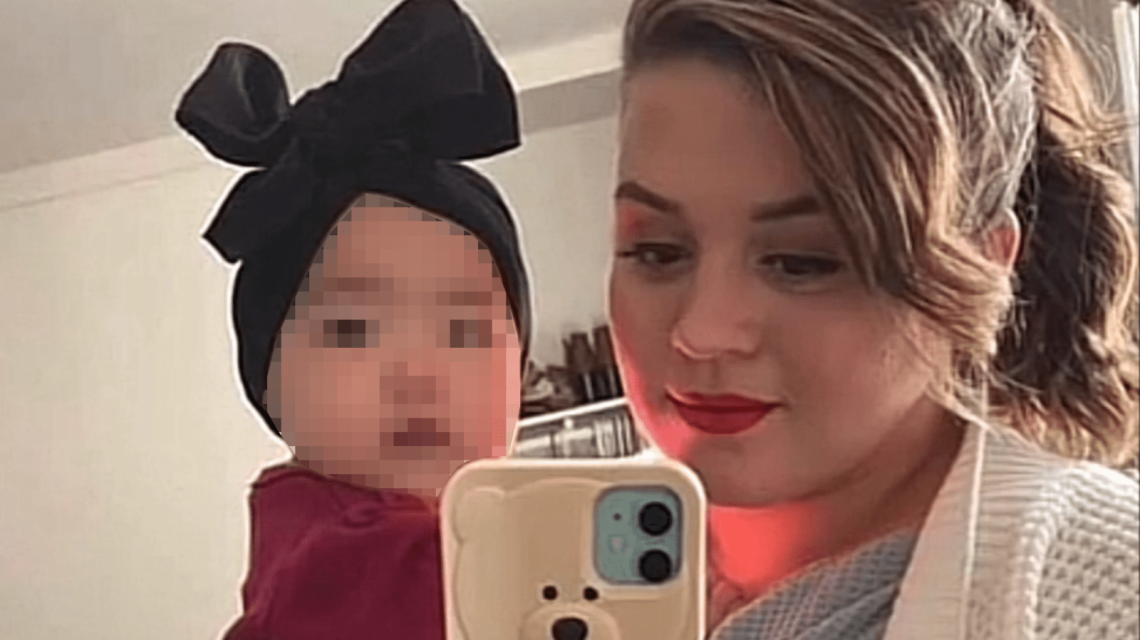
When I first contemplated becoming a surrogate, it demanded careful thought. As a stay-at-home mom facing financial challenges in my first marriage, I explored egg donation but didn’t qualify. Yet, the desire to help another family lingered.
In 2015, I brought up surrogacy with my husband, Benjamin. Initially, he was hesitant due to the emotional, physical, and practical factors involved. Despite my busy schedule in nursing school and a full-time job, I felt a strong inclination toward surrogacy. So, I applied, initiating a journey that reshaped my life and theirs.
After being matched, the first surrogacy experience was profound. The intended parents, who had one child through surrogacy and awaited another, faced heartbreaking circumstances. Their previous surrogate had lost pregnancies, and few embryos remained. While pregnant with their child, I considered their request for another surrogacy.
Deciding to proceed after a healthy delivery, I carried their final embryo, Emily. As 2020 unfolded, the world changed swiftly with closed borders and canceled flights. Due in early June, we prepared for unforeseen caregiving responsibilities. My nursing role posed risks during pregnancy, and work had already stopped. In May, it became certain—the intended parents couldn’t travel from China. Caring for Emily ourselves became necessary, preventing her temporary placement in a children’s home.
Emily stayed with us, not as our daughter, but as a child to care for until her parents could arrive. Despite recognizing this temporary role, we grew deeply attached. Daily caregiving, routines, milestones, and her calling me “mama” solidified a strong connection.
The pandemic colored the experience, giving it purpose and connection reminiscent of fostering—a journey I envisioned due to my own foster care experiences. This surrogate role became more meaningful than expected.
For eight months, we maintained contact with Emily’s parents. Following her father’s eventual travel, we continued communicating. Video calls soothed Emily during her father’s quarantine after returning to China, reinforcing our connection as her source of comfort.
When Emily left for home, the mixture of emotions was immense. Despite the understanding of restoration, separation brought tears and grief. A quiet void lingered in her absence. Yet, the knowledge of fulfilling our role brought solace.
Our lives moved forward; a surprise pregnancy restored our joy. The new addition gave us something new to anchor us, without replacing Emily’s memory.
Years later, periodic check-ins remind us of our shared past, but Emily doesn’t recall her time with us—and that’s expected. Surrogacy wasn’t about maintaining long-term contact, but enabling her family to thrive together.
Surrogacy goes far beyond financial motives. It’s complex, emotional, and heavily reliant on a robust support system. Decisions center on the child’s and parents’ welfare. When a family holds their child for the first time, you understand surrogacy’s essence—it’s a gift, forever transforming your life.
All views expressed in this article are the author’s own.
Sherry Santana de Leon, 34, is a surrogate, biological mother, and nurse from San Bernardino, California.
 Fathers Honor Faith and Legacy of Camp Mystic Flood Victims
  Dorsey High Alumni Unite to Celebrate Athletic Legacy
  Davide De Pierro Discusses Authenticity and His Journey as a Digital Creator
  Camp Agape: Resilience in the Face of Adversity
  My Unexpected Journey Through Cancer
  Women’s Professional Baseball League Inaugural Game in Springfield