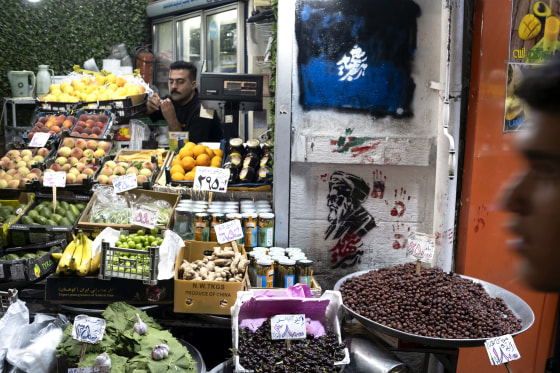
TEHRAN, Iran — The conflict has led to significant changes in the daily lives of Iran’s citizens. Roya, a 34-year-old resident of Tehran, once enjoyed a successful career as a data analyst manager at a brokerage firm in the city center. However, after hostilities began in February with strikes from the U.S. and Israel, she lost her job. Now, she faces difficulties in meeting basic needs, a situation that is common among millions in the country.
An increase in everyday expenses has become a major concern. One resident in Tehran explained that costs for daily necessities have doubled, adding to the mounting challenges. The economic pressure has forced people across the city to adjust their lifestyles drastically as they attempt to cope with the surging inflation and economic instability.
Visual reminders of the past leadership, such as graffiti of Ayatollah Ali Khamenei, the former supreme leader, can be spotted around the city, etched on the walls of local businesses, including a fruit shop in downtown Tehran. These images serve as silent witnesses to the ongoing struggles faced by the population.
These everyday challenges illustrate the broader impacts of the conflict on Iranian society. Many are left to navigate an increasingly difficult economic landscape, with little relief in sight.
 The Cost of Challenging Beijing
 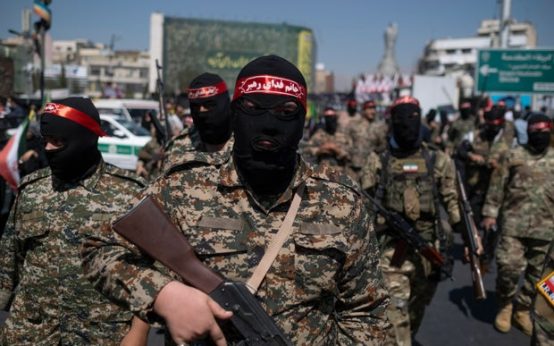 Tensions Escalate in Iran Conflict as Global Leaders Weigh Options
  White House Approves F-35 Sales to Saudi Arabia Amidst Regional Tensions
  Inside the Secret Deals Powering the President’s Push to Deport Migrants to Countries Not Their Own
  Navigating the Challenges of Third-Country Deportations
  Midair Altercation on Bangladesh to London Flight