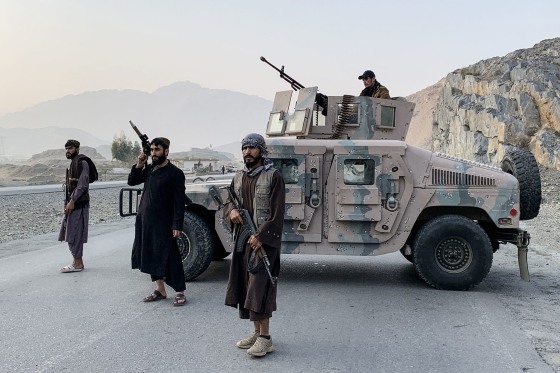
The return of the Taliban to power in Afghanistan in 2021 marked a significant shift in the country’s social and economic landscape. This change occurred two decades after their initial removal by U.S. forces. The consequences of the Taliban’s rule are profound, affecting various aspects of Afghan life.
Economic Struggles
The Afghan economy has faced severe challenges under the Taliban’s administration. Economic activities have stalled, leading to widespread financial distress. Key economic indicators highlight the gravity of the situation:
- More than half a million jobs have been lost, exacerbating unemployment.
- Rates of malnutrition have increased, affecting the health of many citizens.
Impact on Women’s Rights
Under the Taliban’s governance, restrictions on women’s rights have intensified. Fundamental changes include:
- Banning most women and girls over the age of 12 from working or attending school.
Such policies have sparked international condemnation and concern over the future of women’s access to education and employment in Afghanistan.
The overall situation highlights the persistent challenges faced by Afghans under Taliban rule, affecting both economic vitality and social freedoms.
 Concerns Raised Over Canadian Assisted-Dying Program
  Lithuanian President Urges U.S. to Maintain Military Presence Amid NATO Challenges
 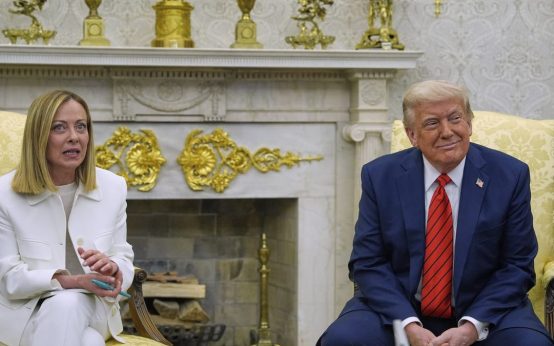 Italian PM Giorgia Meloni Skips UN General Assembly Amid U.S. Tensions
  Ireland Faces Calls to Boycott Matches Against Israel
  Social Media Influencer Faces Serious Charges
  U.S. Military Expansion in Greenland