Fertility rates in the United States have dropped significantly, reaching nearly historic lows. One major factor contributing to this decline is the reduction in the number of women having children in their 20s, despite no changes in biological fertility patterns. A potential solution to this issue has emerged in the form of egg freezing.
While embryo freezing for in vitro fertilization (IVF) has been feasible for many years, the ability to freeze unfertilized eggs posed a scientific challenge initially limited to patients with cancer or conditions affecting fertility. Egg freezing for non-medical reasons became standard practice in the past thirteen years, leading to an increase in demand for the procedure. Women can now opt to delay fertility without the weight of a biological clock.
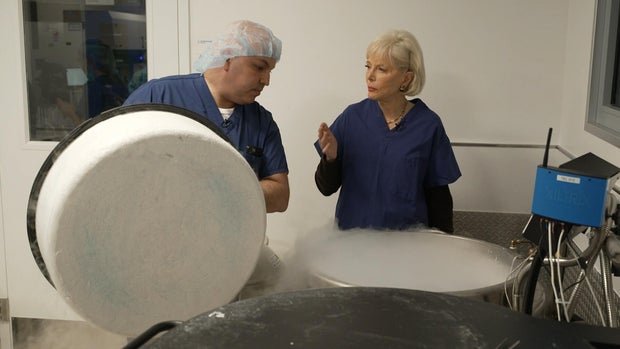
An illustrative example comes from the experience of Kate Sonderegger at a fertility clinic in Manhattan, undergoing a minor procedure to harvest and freeze her eggs. Similarly, Katherine Schneider’s journey at another center highlights the intricate process, involving hormone injections and surgical retrieval of eggs. Under the guidance of Dr. Tomer Singer, embryologists carefully isolate egg cells for freezing, storing them in liquid nitrogen at very low temperatures.
Critics caution women about relying on egg freezing as a guarantee.
Available data suggests no difference in health outcomes between babies born from fresh IVF versus frozen eggs. Egg freezing is considered as transformative as the introduction of the contraceptive pill, giving women the option to delay childbirth into their 40s, utilizing eggs frozen in earlier years.
Many women, like Lynsy Smithson-Stanley and Nameetha Jacob, have shared their egg freezing experiences, noting the benefits of having reproductive insurance and relief from the pressure of biological constraints. As Dr. Lucky Sekhon explains, women are born with a finite number of eggs, and freezing curtails both its natural decline and genetic errors.
Egg freezing also appeals to those navigating life transitions, such as education and career aspirations. It provides peace of mind amid uncertainties in personal and professional life. However, there are considerations concerning the cost involved, which can amount to thousands of dollars, potentially prohibitive for lower-income individuals.
Despite the benefits, egg freezing carries some risks, and not every case ends successfully as Evelyn Gosnell’s story illustrates. Her experience further exemplifies the uncertainties even with multiple eggs frozen. Critics argue that the market’s business-driven approach targets prospective mothers with promises not guaranteed, thereby commodifying fertility.
There is a call for more comprehensive policies, like parental leave and workplace childcare, making earlier motherhood feasible without relying on medical interventions. While perspectives vary, the conversation encourages women to evaluate their options thoroughly and approach egg freezing as only one possibility among many.
 Joe Biden’s Prostate Cancer Progression and Current Healthcare Insights
  Sturgis Motorcycle Rally: A Gathering of Bikers and Music Enthusiasts
  AI and Traditional Matchmaking Unite in Jewish Dating Initiative
  Vibrio Vulnificus: A Deadly Threat in Coastal Waters
  Habit Burger & Grill’s Double Char Burger Named Best Fast-Food Burger in 2026
  The Journey of Annelise Camp: A Family’s Battle and Tragic Loss