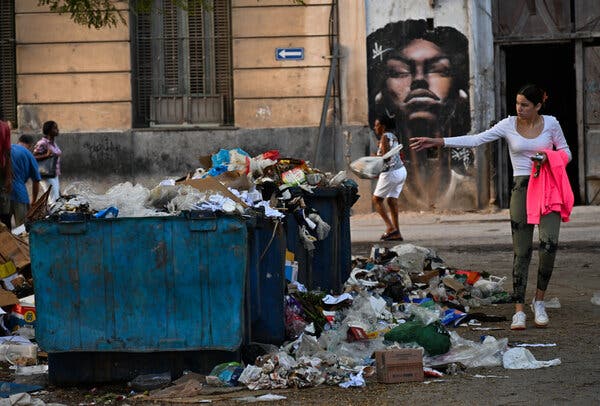
In Havana, the fuel blockade on Cuba has intensified a growing problem: accumulated trash. José Fernández Zaldívar, a 79-year-old street sweeper, earns around $9 a month. He navigates San Rafael Boulevard, collecting litter in a cart. Unfortunately, when he returns to his home in Central Havana, more garbage awaits him.
Plastic bottles, corn husks, and other debris pile up at his front gate, often forming a barrier. Fernández shared his ordeal, stating, “Sometimes the garbage overflows so much that it covers the entrance to my house, and I can’t get out. I have to clear a path through.” The visible trash heaps symbolize the worsening crisis in Cuba.
The Cuban government announced it is running out of oil reserves. Consequently, gasoline shortages have hindered garbage truck operations. Immense piles of rubbish, some towering four feet high and stretching half a block, blur into the Havana landscape. Residents have resorted to burning trash in desperation.
Fernández remarked on the situation by stating, “There is too much trash. I don’t know where it comes from.” This issue underscores the broader economic struggles facing the country. The lack of consistent garbage pickup exacerbates daily life challenges for many Cubans. Without sufficient fuel supplies, tackling this issue remains difficult.
 Grief and Resilience: Remembering Hersh Goldberg-Polin and the Aftermath of the October 7 Attacks
  The Journey of Hersh Goldberg-Polin: A Tribute to an Ordinary Life
  Commemorating the Aftermath of the Oct. 7, 2023 Hamas Assault
 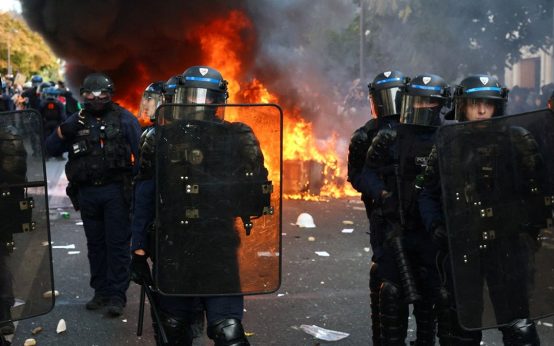 French Prime Minister Defends Police Actions Amid Student Protests
 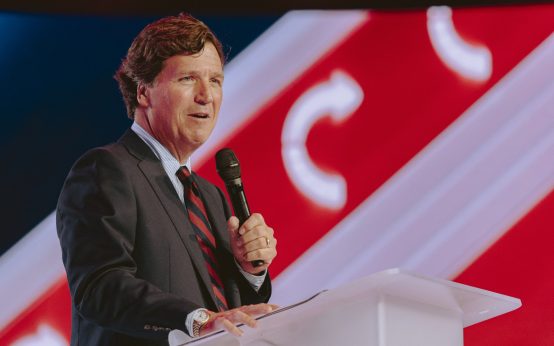 Poland Demands Apology from Tucker Carlson for WWII Claims
  French Students Lead Massive Protests for Education Funding