The Director-General of the World Health Organization, Tedros Adhanom Ghebreyesus, visited Bunia in eastern Congo on Saturday. This city is central to an outbreak of a rare Ebola virus type, which is spreading rapidly despite improved healthcare facilities and new aid arrivals.
During the visit, Tedros planned to tour a treatment center and meet with local authorities, healthcare workers, and affected families in Bunia. He stressed the importance of providing all necessary support to combat the disease at its epicenter. “Continuing to offer every possible assistance is crucial,” he told reporters.
Recent official data indicated 906 suspected cases and 223 suspected deaths related to the Ebola outbreak. Uganda, Congo’s neighbor, reported nine cases and one death, according to Uganda’s health ministry. The current Ebola virus strain, Bundibugyo virus, lacks an approved treatment or vaccine.
Despite the challenging situation, Tedros expressed confidence in the Democratic Republic of Congo’s ability to manage the outbreak effectively, given its past experiences with the Ebola virus. This comment followed his meeting with Congo’s Prime Minister, Judith Suminwa Tuluka.
Recent aid from the European Union has arrived in Ituri, a crucial region in Congo’s Ebola crisis, with more shipments anticipated soon. The United States also announced an additional $80 million in aid, raising its total contributions to over $112 million. Enhanced response efforts include organized facilities at Bunia’s Rwampara and General hospitals, featuring added staff, protective equipment, and medical supplies, although patient arrivals remain constant.
Doctors Without Borders highlighted concerns that response efforts are lagging behind the rapidly spreading outbreak. “Never before has an Ebola outbreak recorded so many cases so soon after its declaration,” Dr. Alan Gonzalez, MSF’s deputy director of operations, mentioned. He emphasized the need for immediate expansion of testing, quicker deployment of aid workers, and continuous access to medical supplies.
Health workers face risks due to local anger over strict medical protocols for victims’ bodies, which conflict with traditional burial practices, leading to attacks on health centers. Furthermore, response efforts are challenged by activities of the Allied Democratic Forces, connected to the Islamic State group, and ethnic militias in Ituri.
The disease has also emerged in North Kivu and South Kivu provinces, south of Ituri. The Rwanda-backed M23 rebel group controls key cities there, including Goma and Bukavu, and has reported two Ebola cases.
Nearby nations like Uganda and Rwanda have closed their borders. Meanwhile, the Trump administration imposed entry bans on non-U.S. passport holders recently visiting Congo, Uganda, or South Sudan. Tedros criticized these border closures, stating “Closing borders discourages transparency. The Democratic Republic of Congo is openly reporting the situation.” He urged countries to reconsider such measures.
 Google Fined for Breaching EU Privacy Rules
  South China Sea Tensions Rise after Collision between Chinese and Philippine Ships
 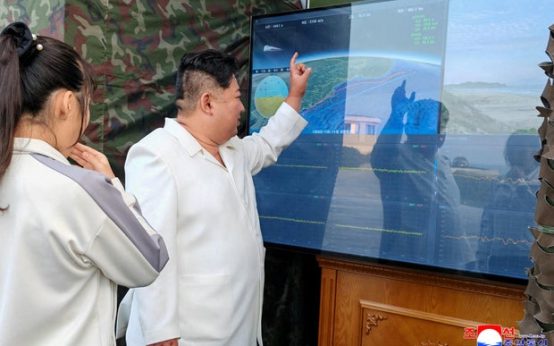 North Korea’s Hypersonic Weapon Test Amid Global Tensions
  Austin Tice: A Search for Answers
 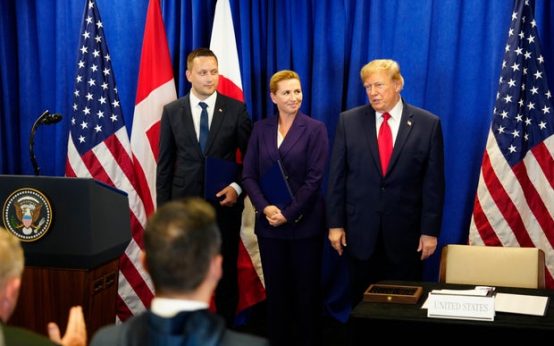 U.S., Denmark, and Greenland Forge New Security Agreement
 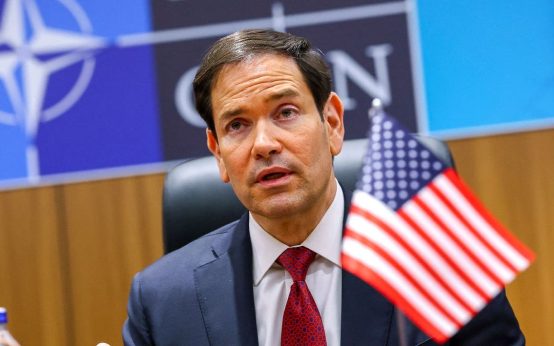 Secretary Rubio Discusses Middle East Conflict and NATO Relations