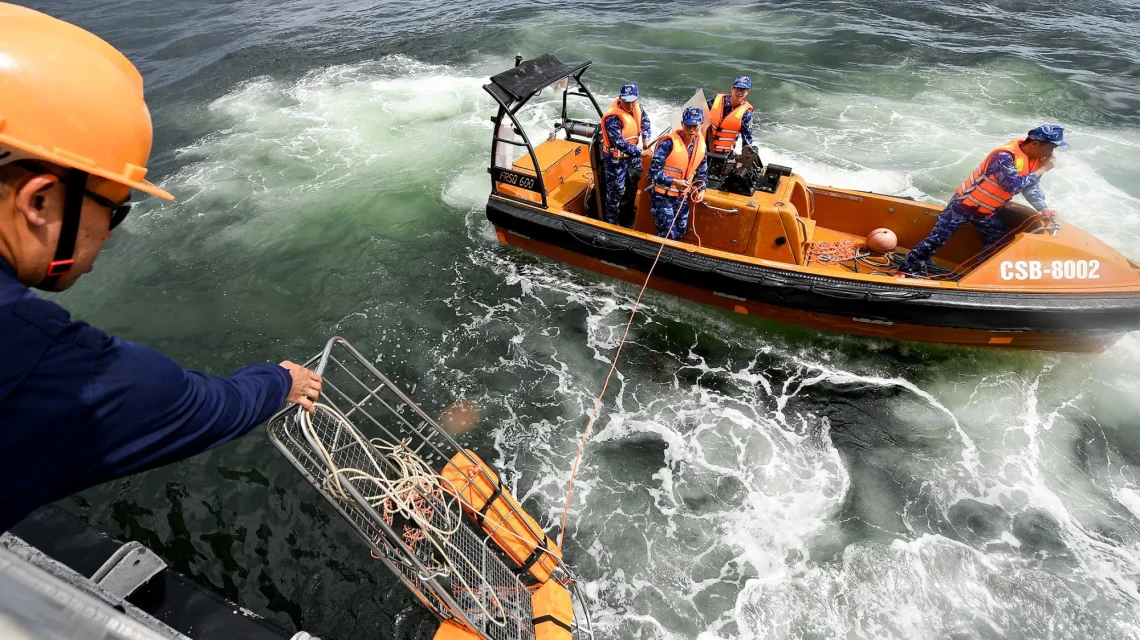
On October 31, 2022, Chinese Coast Guard ship 5205, a prominent vessel in Beijing’s maritime fleet, initiated patrols in the disputed northern Spratly Islands. Five months later, the ship altered its course toward Vietnamese-occupied areas. The vessel gained global attention when the Philippines accused it of using a military-grade laser against a supply ship near Second Thomas Shoal. By the end of 2025, the ship navigated within 10 nautical miles of almost 30 features claimed by Malaysia, the Philippines, Taiwan, and increasingly, Vietnam in the South China Sea.
Through this aggressive maritime presence, China seeks to assert its territorial claims. Vietnam and other nations are responding, with Vietnam enhancing its defenses and coordinating more closely in Asia’s volatile maritime region.
In response to tensions, the US conducted large-scale military drills in the Pacific Ocean, including areas around Taiwan and the South China Sea. Despite these efforts, the risk of conflict in the region persists, especially between China and Vietnam.
The Spratly Islands have become a focal point, with Vietnam fortifying islands to emulate China’s strategy under President Xi Jinping. Recent data from Starboard Maritime Intelligence highlight over 100 Chinese vessels, including coast guard and maritime militia, nearing Vietnamese-controlled features. This number nearly doubled from May 2022 to April 2023. Chinese activity focuses on key areas like Sand Cay and Namyit Island, which have received significant upgrades.
According to the UN, nations can establish territorial seas up to 12 nautical miles. However, Chinese activity around Vietnamese features suggests an increasing assertive stance to dominate this strategic region.
The findings highlight how Vietnam challenges China’s actions while balancing relations with superpowers. Amid Middle East conflicts impacting fuel supplies, Vietnam aligns with the US and Southeast Asian nations to counteract Beijing’s dominance. The strategy aims to bolster Vietnam’s deterrence capacity, potentially increasing the risk of maritime confrontation.
Vietnam has bolstered relations with the Philippines, Indonesia, and other regional partners through coast guard cooperation, military exchanges, and joint patrols. Even historically reserved nations like Malaysia have increased security coordination in response to China’s actions at sea.
Vietnam’s recent diplomatic and defense maneuvers include receiving US patrol boats and enhancing military ties. This shift reflects a strategic pivot toward diversifying security partnerships while maintaining autonomy. By 2030, Vietnam aims to strengthen its military, though China’s defense budget remains significantly larger.
Tensions remain high around disputed features like the South China Sea, which China claims based on its ‘nine-dash line,’ a contention rejected by an international tribunal. As Beijing continues reinforcing its claims with military infrastructure, Vietnam’s build-up differs in nature, focusing more on economic and defense potential.
The intensifying rivalry poses risks to local communities, especially Vietnamese fishermen who face increased harassment and detentions by Chinese vessels. Efforts to ensure safe operations include group navigation and fuel subsidies, but fishermen express growing fear amid the heightened tensions.
 Israeli Leader’s Upcoming U.N. Assembly Speech Marked by Controversy
  United States Secures Arctic Defense Pact
 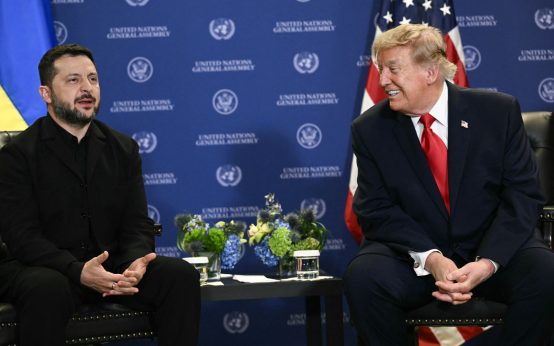 Trump’s Engagements at the UN: Focus on Ukraine and White House Developments
  Trump Administration to Admit 17,500 Afrikaner Refugees from South Africa
 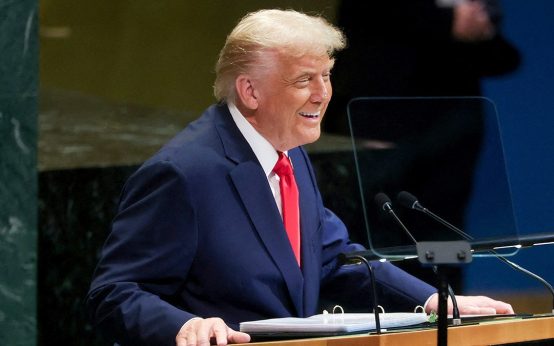 Trump’s Vision for Global Security: Iran, AI, and the Role of the U.S.
  Concerns Raised Over Canadian Assisted-Dying Program