
The Trump administration is proposing a new plan to allocate around $1.8 billion. This fund aims to compensate individuals claiming they were wrongly investigated or prosecuted. Such an initiative marks an unprecedented use of public money.
Funding Source
Questions arise regarding the fund’s financing. The administration has not yet detailed where these funds will originate, leaving room for speculation and concern. Transparency on funding sources is crucial for public trust.
Distribution Process
Another critical aspect is the method of distributing these funds. It remains unclear how recipients will be identified or compensated. Defining clear criteria and a transparent process will be essential to ensure fairness and efficiency.
Significance of the Initiative
This proposal highlights the administration’s response to criticisms about legal processes. It seeks to address grievances from individuals claiming wrongful treatment, aiming to rectify past errors.
Challenges and Criticisms
Not surprisingly, such an initiative faces scrutiny. Critics question the legality and ethics of using public funds in this manner. Ensuring accountability and adherence to legal frameworks will be pivotal.
Need for Oversight
Proper oversight mechanisms will be necessary to prevent misuse or inefficiency. Establishing independent reviews could help maintain integrity and public confidence in the process.
Long-Term Implications
Beyond immediate benefits, the fund could set a precedent for future claims of wrongful investigations. Policymakers may need to assess its long-term financial and legal impacts.
 Democrats and Republicans Face Off Over Ideology and Endorsements
 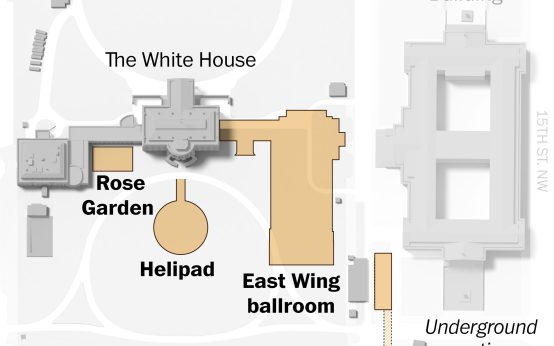 White House Construction Projects to Cost $900 Million
  Democrats’ Prospects Improve for Wisconsin Governor’s Race
  Private and Public Life of Alexandria Ocasio-Cortez Under Scrutiny
  Kremlin’s Exclusion of Anti-War Party Highlights Propaganda Gap
  Challenges in Chicago’s Education System