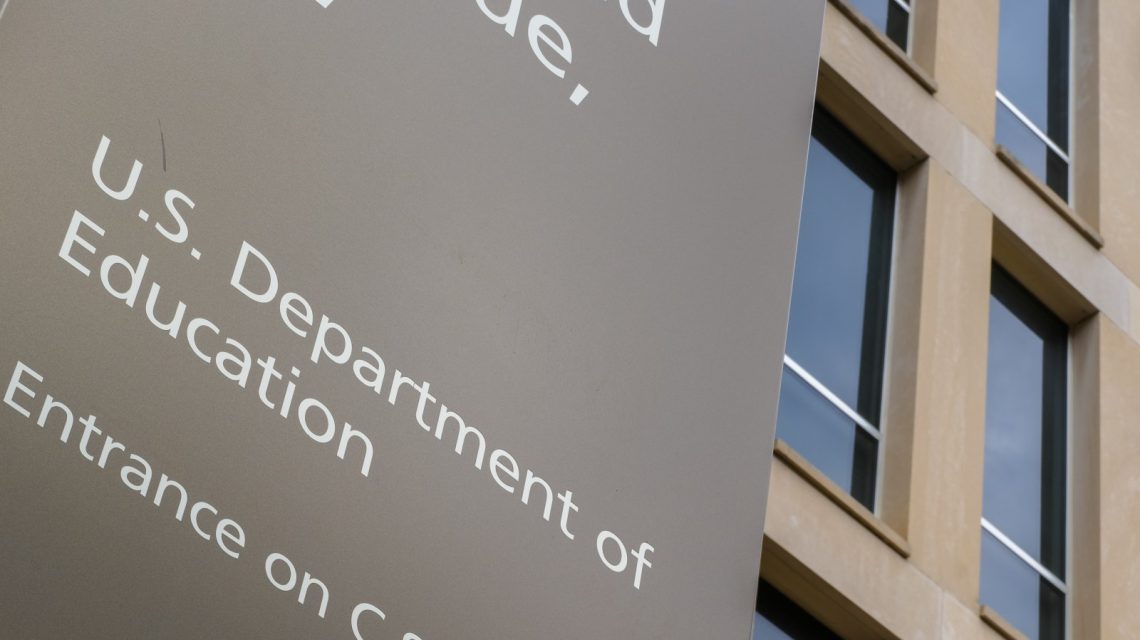
Florida lawmakers have reached a final agreement on the state budget, offering insights into the future of education and healthcare. After extended negotiations, an agreement arrived late on May 24, with expected approval by week’s end.
The budget plan addresses concerns over potential school funding cuts due to declining enrollment, ensuring protections for Florida schools. Additionally, it continues to support school choice programs.
Education
The budget maintains the $4.5 billion program for homeschooling and private school tuition within the K-12 funding formula. This decision follows tensions from an audit that questioned management, leading to Senate calls for increased oversight, which the House opposed.
Provisions protect school districts from severe cuts linked to falling enrollment, responding to financial issues in counties like Union and Glades. A $7 million allocation for capital improvements in private schools targets rural counties with populations under 10,000, requiring distribution by December 1.
Florida State University can use existing funds to acquire Tallahassee Memorial Healthcare, involving long-term investments. Also approved was the transfer of the University of South Florida’s Manatee-Sarasota campus to New College of Florida following late negotiations.
Healthcare
Lawmakers reached a compromise on the Cancer Innovation Fund, granting it $20 million. Originally backed by First Lady Casey DeSantis, this falls between the proposed cuts and the Senate’s $30 million request.
The AIDS Drug Assistance Program secures $75 million after emergency funds were set to lapse on June 30. Earlier funding cuts had prompted some patients to shift to private insurance for medication access.
A $50 million fund under a 2024 law, spearheaded by former Senate President Kathleen Passidomo, was removed. Despite this, the Health Innovation Council will continue to foster medical technology projects.
Post-office security funding for Governor Ron DeSantis was excluded. The House rejected a Senate plan providing this protection. Lawmakers also disagreed on extending security measures to gubernatorial nominees after the primary.
The overall spending package for the fiscal year stands at nearly $115 billion, below the Senate’s preferred amount but surpassing the House’s $113.6 billion plan. This agreement concludes months of disputes between the chambers on allocation and priorities following the regular session ending on March 13 sans a budget deal.
 Rep. Alexandria Ocasio-Cortez Defends Macklemore Amid Tour Controversy
  Influence Concerns Surround California Political Donors
  Michigan Senate Race Sees Influences from Soros-Linked Funding
  Trump Seeks Diplomatic Success at the U.N. Amid Challenges
  Mindfulness: Manage Stress by Embracing the Present
  Missouri’s Abortion Policy: Conflicting Amendments and Voter Decisions