In the 1970s and ’80s, Lebanese journalist Kim Ghattas described a weak state as both a blessing and a curse for Lebanon. This notion resonates today as Lebanon faces another critical period.
Recently, tensions escalated following the U.S.-Israeli war with Iran in February 2026. This conflict resulted in the death of Iranian Supreme Leader Ayatollah Ali Khamenei. In response, Hezbollah launched rockets at Israel, thereby intensifying the war and creating a new conflict front.
Compounding the ongoing political and economic crisis in Lebanon, this escalation has strained its unstable political, economic, and security conditions. Despite these challenges, there is a glimmer of hope. U.S.-brokered negotiations between Israel and Lebanon in April 2026 represent the first diplomatic talks in decades, presenting a potential pathway to peace.
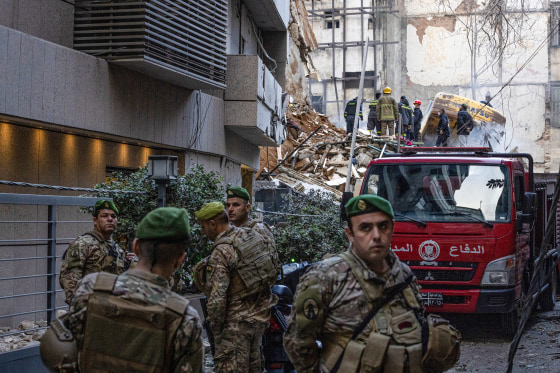
During this period, Lebanese soldiers were tasked with securing sites of violence, such as Israeli attacks in Beirut. Rescue workers could often be seen searching through rubble to find survivors.
These developments underscore the intricate dynamics at play in Lebanon’s current crisis. They highlight both the challenges and the slim opportunities for resolving the prolonged instability in the region.
 Court Rules Against Third-Country Deportation Policy
  Claims to Nazi-Looted Art Spark Legal Battle in California
 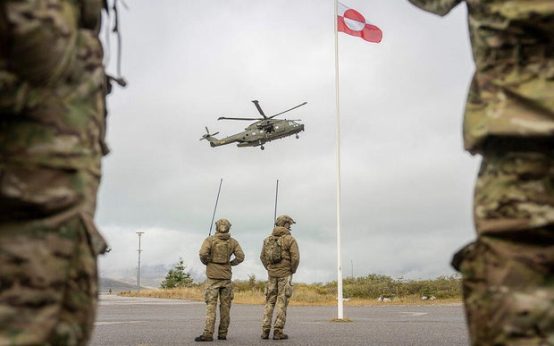 U.S. Secures Strategic Control Over Greenland
  U.S. and Denmark Move Towards Security Agreement Over Greenland
 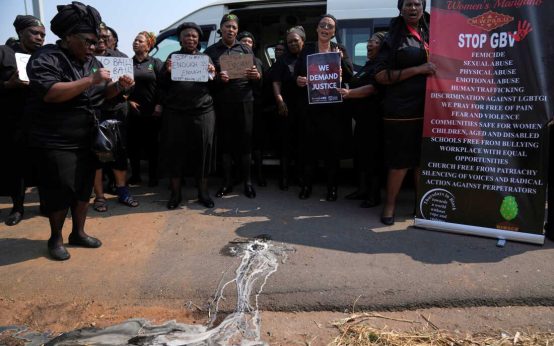 Rising Concern Over Gender-Based Violence in South Africa
 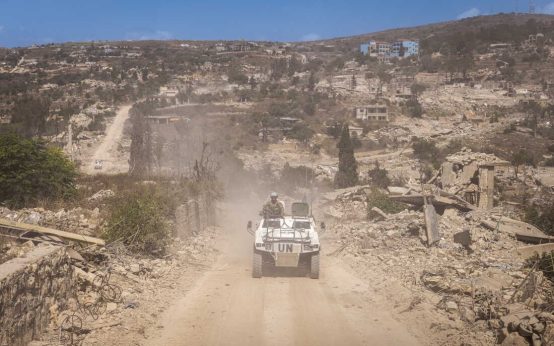 UNIFIL’s Final Patrol in Southern Lebanon Amid Changing Borders