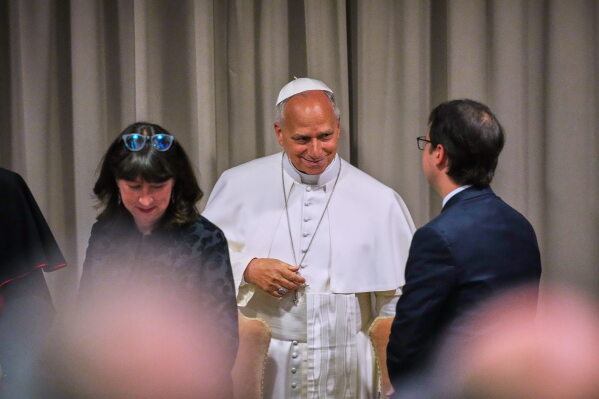
Pope Leo XIV has initiated a research group focused on artificial intelligence (AI), as announced by the Vatican. This move comes in anticipation of his first encyclical, which will advocate for an ethical approach to AI that underscores human dignity and peace.
The Vatican highlighted the rapid advancement of AI and its potential impacts on humanity. It emphasized the Catholic Church’s concern for human dignity amid these technological changes. This announcement coincides with the 135th anniversary of the landmark encyclical “Rerum Novarum,” issued by Pope Leo XIII, which tackled workers’ rights and the impact of capitalism during the Industrial Revolution.
Pope Leo XIV’s new encyclical will integrate AI within the church’s social teachings, addressing themes such as labor, justice, and peace. According to Meghan Sullivan, a philosophy professor at the University of Notre Dame, the Catholic Church aims to provide mature insight in the debates surrounding AI integration.
“For sure, the pope is going to be one of the most forceful advocates for human dignity in these discussions.” — Meghan Sullivan
Since his election in 2025, Pope Leo XIV has urged the church to utilize its social teachings to address the challenges AI presents to human dignity, justice, and labor. The release of his encyclical may heighten tensions with the Trump administration. While the U.S. government has prioritized rapid AI development for economic and security reasons, it has resisted international regulatory measures.
Recent activities in the Vatican occurred as U.S. President Donald Trump completed a visit to China focused on AI business. Accompanying Trump were prominent figures such as Elon Musk and Nvidia CEO Jensen Huang, emphasizing the strategic importance of AI technology.
The Vatican stresses its involvement in the AI discourse, promoting ethical guidelines for AI use in various sectors like warfare, education, and healthcare. The church advocates for AI as a tool to enhance, not replace, human intelligence, and warns of AI’s environmental costs due to the energy consumption of data centers.
Thomas Harmon, a theology professor at the University of St. Thomas, underscores the significance of the Catholic Church’s role, given its global following and its deep tradition in humanistic thought.
In 2020, the Vatican initiated the Rome Call for AI Ethics, aligning tech companies like Microsoft, IBM, and Cisco to fundamental AI regulatory principles such as inclusivity, accountability, impartiality, and privacy.
Pope Francis previously proposed an international agreement to govern AI, stressing the importance of human-centric technology to prevent exploitation absent of mercy, morality, and compassion. He aimed for a treaty to ban lethal autonomous weapons.
Pope Leo XIV, knowledgeable in mathematics, cautions clergy against using AI for sermon writing. However, he is mindful of AI’s broader impacts on world peace and truth. He voiced concerns over AI’s role in warfare in regions like the Middle East and Ukraine, noting its potential to escalate conflict.
“What is happening in Ukraine, in Gaza and the Palestinian territories, in Lebanon and in Iran illustrates the inhuman evolution of the relationship between war and new technologies.” — Pope Leo XIV
Pope Leo XIV recognizes AI’s advancements in healthcare but questions its effects on humanity’s pursuit of truth and reality. He continuously urges vigilance in the development and application of AI technologies.
 Ukraine Missile and Drone Barrage Hits Russia Amidst Elections
  U.S. Strategic Goals Remain Unmet Amid Prolonged Conflict
  New Photos Reveal Damage from Iranian Strikes in the Middle East
  Assassin of Chilean Diplomat Orlando Letelier Faces Deportation 50 Years After Assassination
  Gorillaz and Macklemore Respond to Controversy Over Israel-Palestine Statements
  Investigation into Lion Deaths in Tanzania