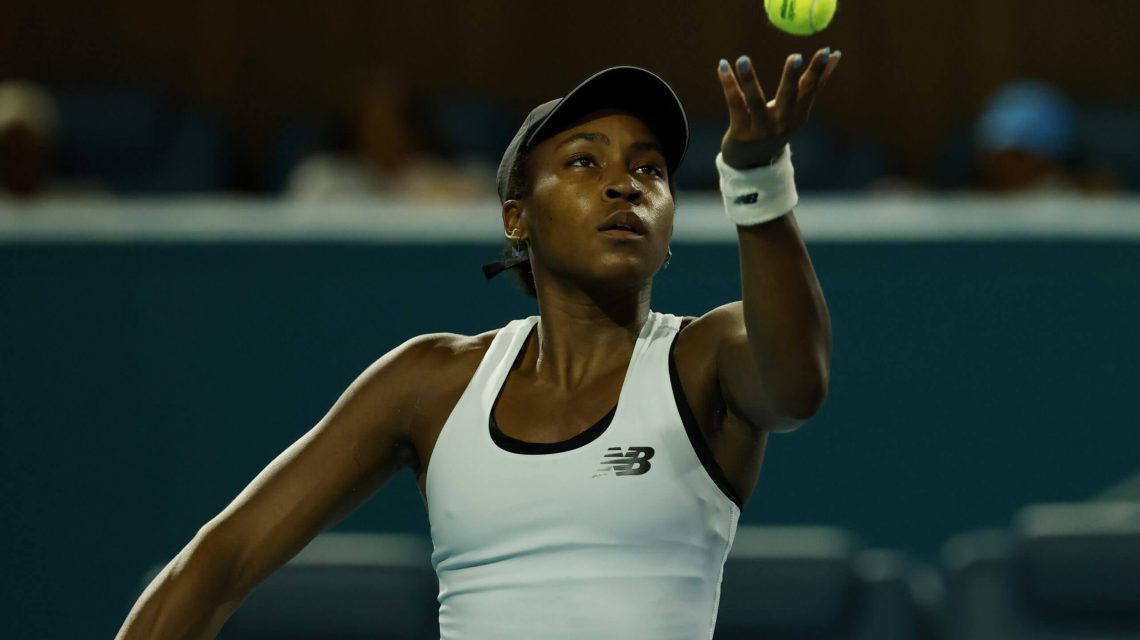
The athletes participating in the 2026 French Open are not only competing on the courts but also pushing for changes in Grand Slam policies. Their primary demand is increased prize money. At the Italian Open earlier in May, prominent players such as Aryna Sabalenka and Coco Gauff hinted at a possible boycott of one of the four major tennis events. However, while at Roland Garros, which begins Sunday, May 24, the players will protest by leaving their pre-tournament press conferences early.
Initially, this protest involved limiting news conferences to 15 minutes. By Thursday, this was further reduced to a 10-minute press conference followed by a five-minute video interview reserved for rightsholder distribution. Players will also avoid media day interviews with the French Open’s media and main broadcasters, TNT Sports and Eurosport. This action is set for a one-day period only.
In reaction, the French Tennis Federation (FFT) expressed disappointment, noting the impact on the tournament’s stakeholders, including the media and broadcasting partners. An FFT spokesperson highlighted the importance of player collaboration and suggested a meeting on May 22 with player representatives to discuss these issues constructively, aiming to enhance decision-making roles and improve player welfare.
These discussions will involve the FFT president, Gilles Moretton, the French Open’s director, Amélie Mauresmo, and Larry Scott, a former ATP player and past WTA CEO, who advises the group. As part of this effort, meetings with Wimbledon and US Open representatives are anticipated during the tournament. Though they haven’t commented immediately, the All England Club indicated openness to ongoing discussions.
The shortened press engagements underscore the players’ demand that 15% of Grand Slam revenues go to prize money. Organized by top-10 players from both the ATP and WTA Tours, the reformers wish to increase this to 22%, matching joint events’ standards. While U.S. sports, like the NFL and NBA, see nearly 50% revenue allocation to players through collective bargaining, tennis players work as independent contractors, lacking similar agreements.
The French Open’s prize pool for 2026 is set at $72.3 million, marking a 9.5% rise from 2025, equating to 15% of its expected revenue. Other majors have also increased their prize money, with the Australian Open at $75 million, U.S. Open at $85 million, and Wimbledon at $72.6 million. Yet, each remains below the 22% revenue mark sought by players.
This demand reflects a continued effort by players for increased prize allocations and involvement in major tournaments’ decisions, including forming a Grand Slam Player Council. The 2026 French Open qualifying rounds are already on, with main draw media sessions scheduled for Friday, followed by weekend press meets.
Analysis by Ava Wallace, Senior Tennis Writer
Grand Slams should note this effective organization among tennis players, swiftly moving from minimal awareness to coordinated protest. Walking out after a concise media day presser serves as a strategy to highlight the 15% revenue allocation. These events’ initial interviews often seed widespread media coverage. Notably, cutting press time impacts all stakeholders, from broadcasters to rights holders. For players not spotlighted on media day, refusing extra interviews underscores their commitment. Though challenging logistics make a full boycott complex, as demonstrated at the Italian Open, the rapid adoption of unified action by players resonates strongly.
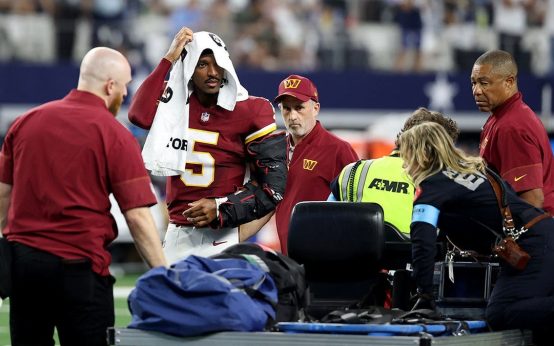
 Commanders’ Leadership Faces Uncertainty with Injured Quarterback
 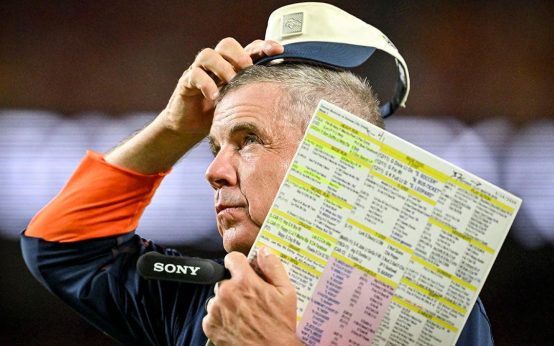 Denver Broncos Stage Remarkable Second-Half Comeback Against Rams
  NFL Teams Urged to Consider More Backup Quarterback Options
 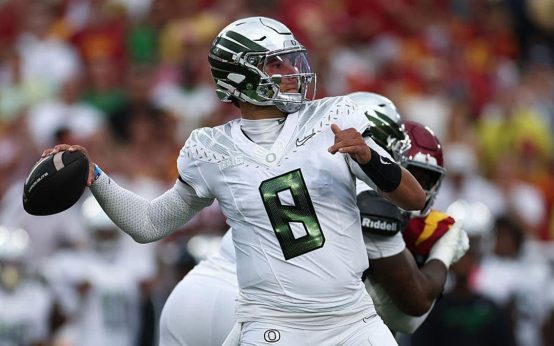 College Football Upheaval: Upsets, Injuries, and Coaching Questions
 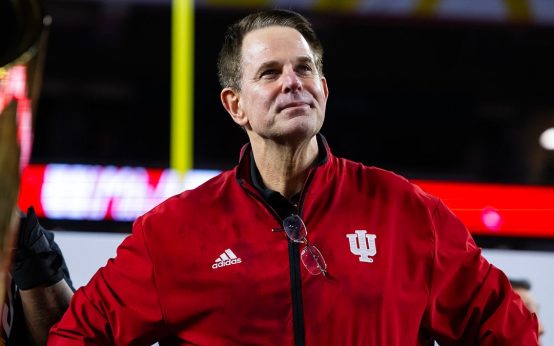 Indiana Hoosiers Survive a Tight Game Against Northwestern
 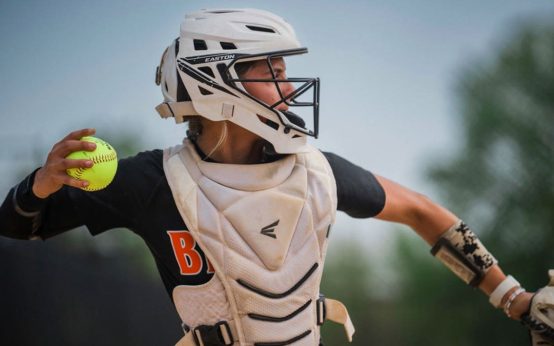 Female Athletes Discuss Competing Against Transgender Athletes