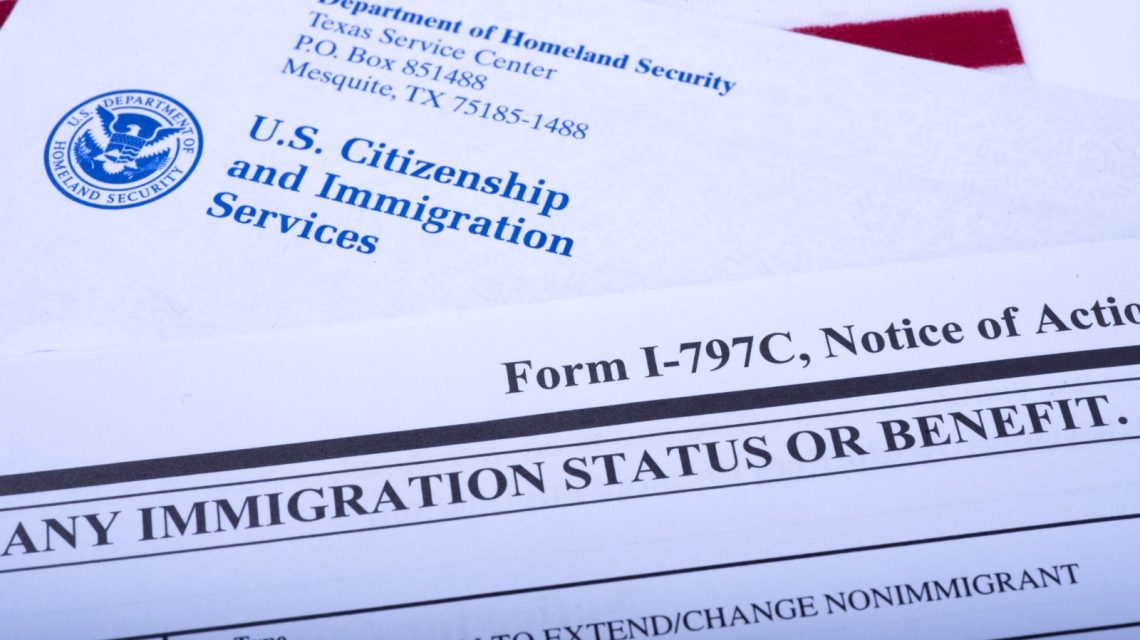
Policy Clarification on Green Card Applications
U.S. immigration authorities have clarified a policy from the Trump administration regarding green card applications by H-1B visa holders. The new guidance modifies the transition from temporary status to permanent residency, requiring most foreign nationals to apply abroad.
Adjustments to Long-standing Practice
For decades, adjusting status domestically was standard. The newly issued memo restricts this option, arguing Congress intended consular processing as the norm, with domestic adjustments reserved for exceptional cases.
“People presenting applications offering an economic benefit or those serving the national interest may continue their current path. Others may need to apply abroad,” Zach Kahler, USCIS spokesman.
A Shift in Domestic Adjustment
The shift sees consular processing as the main method, limiting domestic adjustment to extraordinary circumstances. Temporary visa holders are required to return home to navigate U.S. immigration unless they meet specific exceptions.
“The original intent ensures aliens interact with the immigration system correctly,” Kahler’s statement in a press release.
Economic and Operational Impacts
The new policy impacts H-1B visa holders in U.S. industries such as technology, engineering, and healthcare. It might result in extended travel for applicants from countries with visa backlogs or travel restrictions, causing operational disruption for employers.
- Extended travel risks due to backlogs and restrictions.
- Prolonged family separations.
- Corporate challenges with operational continuity.
Understanding the H‑1B Visa
The H-1B visa allows U.S. companies to hire skilled foreign workers for up to six years. Each year, 85,000 slots are available, with 20,000 reserved for individuals with U.S. master’s degrees or higher.
- Statutory Caps: 85,000 slots annually, including a 20,000 reserve for advanced degrees.
- Educational Criteria: Job requires a specific degree; worker must possess it or equivalent experience.
- Employer Obligations: Role must fit specialty-occupation standards, with prevailing wages and Department of Labor approval needed.
Future of Visa Holders
Previously, temporary visa holders routinely pursued domestic adjustment of status. The process is now considered an exception, with home-country applications expected for most.
 Cook County’s Loan Program Assists Suburban Agencies Amid Property Tax Delays
 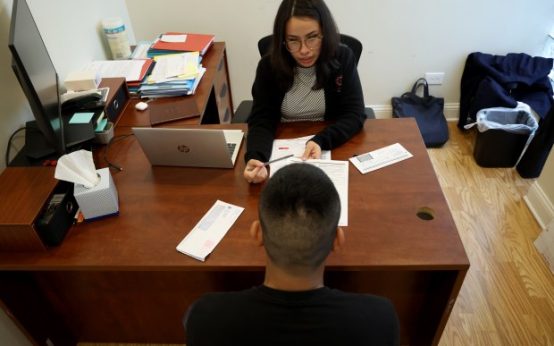 Freddy Cazares: Navigating the Limbo of Immigration Detainment and Uncertain Release
  Controversy Over Immigration Policy Protest in South Carolina
  Concerns Over Political Influence in Academia
  Affordability Crisis Raises Questions About Wealth and Democracy
  Judge Rules Against Immediate Demolition Threat of Kennedy Center