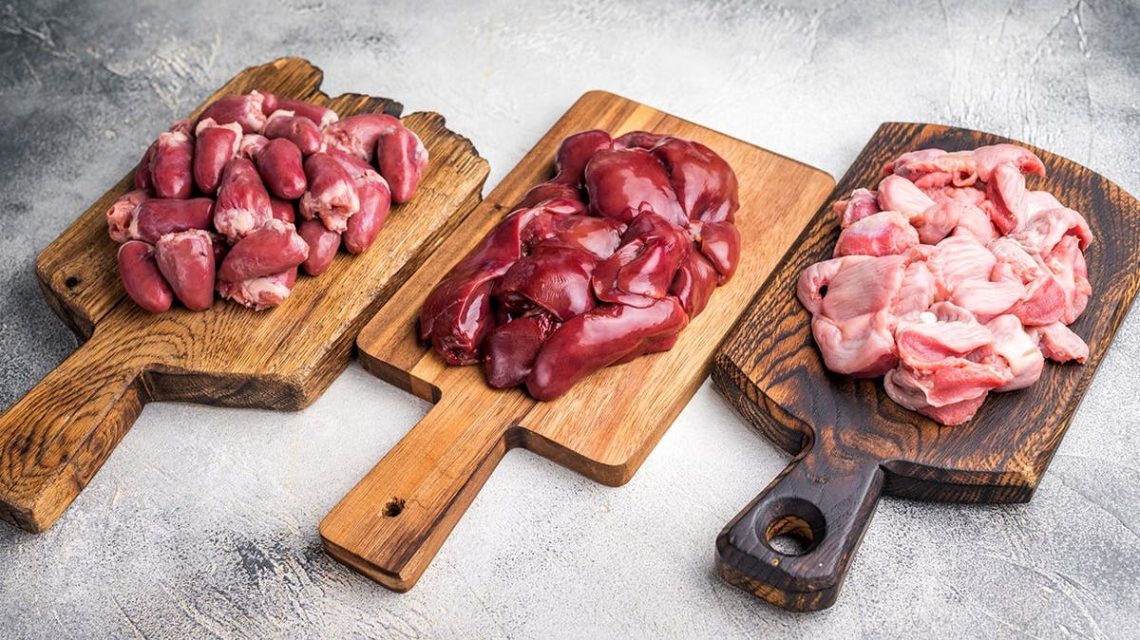
Organ meats, commonly regarded as offal and encompassing kidneys, liver, and heart, rank among the most nutrient-rich and affordable food options, though many Americans tend to overlook them. According to the Cleveland Clinic, these meats are abundant in protein and often surpass premium muscle cuts in vitamin and mineral content.
A typical 3-ounce serving of beef liver, often referred to as “nature’s multivitamin,” boasts an average of 70.7 micrograms of vitamin B12, as noted by the National Institutes of Health. In comparison, the same serving size of top sirloin steak contains about 2.41 micrograms of B12, according to data from the U.S. Department of Agriculture (USDA).
Organ meats offer significant cost savings, often pricing between 50% and 90% below filet mignon, ribeye, New York strip, and similar popular protein cuts.
As an example, USDA Choice beef liver is marketed at $3.39 per pound on Instacart, whereas USDA Choice beef loin top sirloin is priced at $14.29 per pound.
Registered dietitian Roxana Ehsani, based in Washington, D.C., emphasized that organ meats, such as liver, possess higher concentrations of vitamin A, B vitamins, copper, folate, and iron compared to mainstream meat selections. Nonetheless, these meats may also contain elevated levels of cholesterol and saturated fat.
Historically, organ meats were integral to American meals, notably before World War II. During the war, civilians were encouraged to consume offal to conserve muscle meat for military personnel. In several international cuisines, such as those featuring tripe, haggis, foie gras, and pâté, offal remains central.
Despite the decline in domestic demand, beef producers redirected these meats towards international markets, contributing significant portions of U.S. beef exports and generating substantial revenue, as per reports from Michigan State University Extension.
The decline in popularity among Americans can be attributed to associations with poverty and wartime rationing, further diminished following World War II prosperity.
The industrialization of meatpacking in this era led to a disconnect from traditional butchery and offal preparation methods. Additionally, processing offal is labor-intensive, and technological advancements favored efficiency. Public interest in consuming organ meats is resurging, highlighted by endorsements from figures like Health and Human Services Secretary Robert F. Kennedy Jr., who identifies liver as an affordable nutritional choice.
The Make America Healthy Again movement, helmed by Kennedy, supports the consumption of nutrient-rich whole foods, protein, and red meats. To ease into eating organ meats, Ehsani recommends gradually incorporating them into dishes. Mixing organ meat with ground beef in common recipes can help familiarize the palate with stronger flavors and varied textures.
Enhancing organ meat dishes with fresh or dried herbs and spices can improve taste. Adding them once a week can acclimate consumers to this nutritional practice.
Teresa Mull, a freelance writer with Fox News Digital’s Lifestyle team, provides more insights into this topic.
 Sturgis Motorcycle Rally: A Gathering of Bikers and Music Enthusiasts
  AI and Traditional Matchmaking Unite in Jewish Dating Initiative
  Habit Burger & Grill’s Double Char Burger Named Best Fast-Food Burger in 2026
  Celebrity Couple’s Wedding Fundraising Sparks Debate
  Charles Barkley and George Kittle Discuss Aging Athletes and Pickleball
  The High Cost of Airport Dining