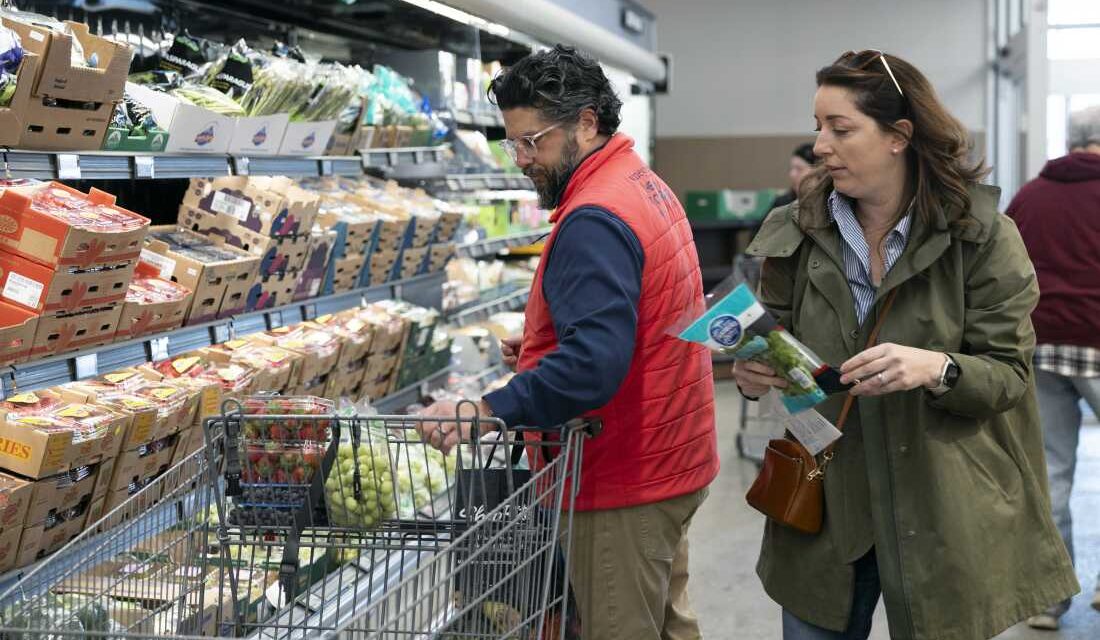
Rachel Negro-Henderson and her family have embraced shopping at Aldi in Bellmawr, N.J. This shift occurred during the pandemic, particularly when her husband lost his income as a crew coach. The change initially led to awkward encounters with acquaintances at Aldi, but perceptions have evolved. Negro-Henderson, a healthcare administrator, noticed a growing acceptance among her community as they sought affordable options amid rising grocery costs.
Several factors contribute to the difficulty of maintaining affordable meal plans. Food insecurity rose sharply during COVID-19, and grocery prices have surged. Inflation, tariffs, and corporate strategies like shrinkflation and dynamic pricing further complicate the landscape. Grocery industry analyst Phil Lempert articulates consumer frustration, emphasizing the importance of food affordability.
Many individuals, navigating economic pressures, are shifting toward budget-friendly grocery stores and warehouse clubs. This trend is visible on social media platforms, where users share finds from Aldi and Costco. These discounters, recognizing the demand, have improved their food offerings, catering to cost-conscious shoppers.
How Budget Grocers Maintain Low Prices
According to Lempert, budget grocery stores are typically smaller than standard supermarkets, carrying fewer items and employing smaller staffs. Their operational efficiency is evident in practices like placing boxed goods directly on shelves. Unlike large chains with elaborate service departments, budget stores offer a no-frills shopping experience.
European brands Aldi and Lidl have expanded in the U.S., with Aldi reporting significant growth. The German-owned company welcomed 17 million new U.S. customers last year, opening nearly 200 new stores, with plans for more. While Grocery Outlet is reducing its presence due to overexpansion, warehouse clubs like Costco and Sam’s Club leverage their buying power for modest pricing, reporting significant sales increases.
Recent Consumer Reports data highlighted the affordability of these budget options. Aldi and Lidl offer prices more than 8% below Walmart, and BJ’s Wholesale Club and Costco boast prices over 21% lower, appealing to savvy shoppers.
Balancing Budget Shopping
Budget stores do have limitations, such as a narrower product range. Despite being an avid Aldi shopper, Negro-Henderson sometimes ventures to local delis or butchers for specific items she can’t find at Aldi. Nonetheless, she appreciates the savings and variety Aldi offers.
Negro-Henderson and her husband value Aldi’s low prices, non-GMO store brands, and sustainability commitment. Over 90% of Aldi’s products are store brands, providing quality without sacrificing standards typically associated with name brands.
Cooking on a Budget
Budget shopping has translated into creative budget cooking. Social media showcases inventive meal preparations using affordable ingredients. Kiki Rough shares budget-friendly recipes inspired by periods of economic hardship, emphasizing resourcefulness without shame in the current economy.
Phil Lempert believes frugal grocery habits will persist, driven by consumers’ focus on lower prices and reduced impulse buying. Surveys indicate a continued preference for affordable groceries despite potential spending increases. Shoppers, particularly younger generations, prioritize cost over elaborate shopping experiences.
Negro-Henderson’s journey reflects a broader trend toward practical budgeting, as more individuals strategically adapt to economic challenges and opt for budget-friendly shopping solutions.