
A drone strike ignited a fire at the Barakah nuclear power plant, the only nuclear facility in the United Arab Emirates, marking an “unprovoked terrorist attack” according to local authorities. No group was directly blamed, but the incident emphasizes the looming threat of conflict as tensions between the United States and Iran grow.
The UAE reported no injuries or radiological issues, although the event underscores recent accusations against Iran by the UAE for launching drone and missile strikes. The Strait of Hormuz, a critical energy route, remains a focal point amidst U.S. naval presence and increasing regional aggression.
Shortly after talking with Israeli Prime Minister Benjamin Netanyahu, U.S. President Donald Trump warned Iran via social media, pressuring Tehran with looming deadlines. Diplomatic exchanges persist, but military readiness remains high according to Mohsen Rezaei, adviser to Iran’s supreme leader.
Efforts for a lasting ceasefire are faltering, exacerbated by conflicts involving Israel and Hezbollah in Lebanon. The UAE Defense Ministry identified three drones entering from its western border with Saudi Arabia, intercepting two and investigating possible involvement by Iran or allied militias.
Anwar Gargash, adviser to the UAE president, described the attack as a “dangerous escalation.” Saudi Arabia condemned the incident and reported intercepting drones from Iraq. The Barakah plant, valued at $20 billion and established with South Korea’s assistance, contributes a significant portion to the UAE’s energy grid.
The UAE’s nuclear regulator stated plant operations remain unaffected. The UN’s International Atomic Energy Agency reported damage in an electrical generator, with emergency measures in place to ensure safe operation of the reactor.
This attack marks a first against the Barakah facility, although Houthi rebels previously threatened strikes during its construction in 2017. The UAE maintains a “123 agreement” with the U.S., ensuring non-proliferation by importing uranium rather than enriching domestically, differentiating it from Iran’s contentious nuclear activities.
Iran claims its program is non-military, yet continuous enrichment raises international skepticism, compounded by restricted access for UN inspectors. Meanwhile, Israel, speculated to possess nuclear arms, neither confirms nor denies such capabilities.
Recent conflicts, including Russia’s invasion of Ukraine, have seen increased targeting of nuclear sites. Iran persistently alleged attacks on its Bushehr plant during battles with Israel, though no direct damage was reported.
Anonymous sources reveal U.S.-Israeli dialogues regarding renewed hostilities. Netanyahu declared readiness in addressing Iranian threats. Some Iranian media figures have portrayed armed stances, with messages of sacrifice for Iran’s sovereignty being vocalized.
Reporting contributions came from Cairo’s Magdy, Tehran’s Amir Vahdat, and Tel Aviv’s Sam Mednick, facilitating broader perspectives on the evolving situation.
 Homes Evacuated Near RAF Fairford in Explosives Investigation
  Hungary’s New Government: Policy Shifts and International Relations
 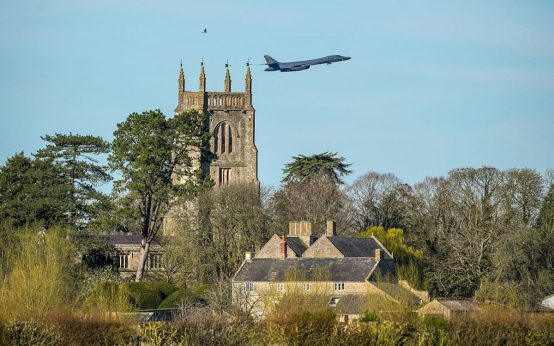 Major Incident Declared Near U.K. Airbase Used for U.S. Military Strikes
 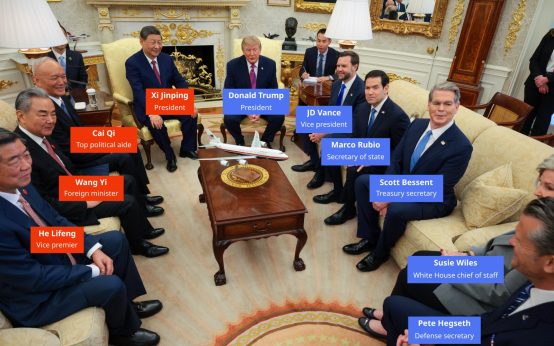 Xi Jinping’s Quest for Global Leadership and Succession Challenges
 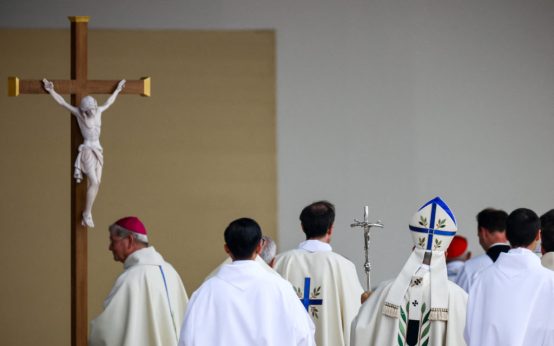 Pope Leo XIV Draws Massive Crowd in Paris, Highlighting Enduring Catholic Influence
  Pacific Hurricanes Pose Flood Risk to Southern California