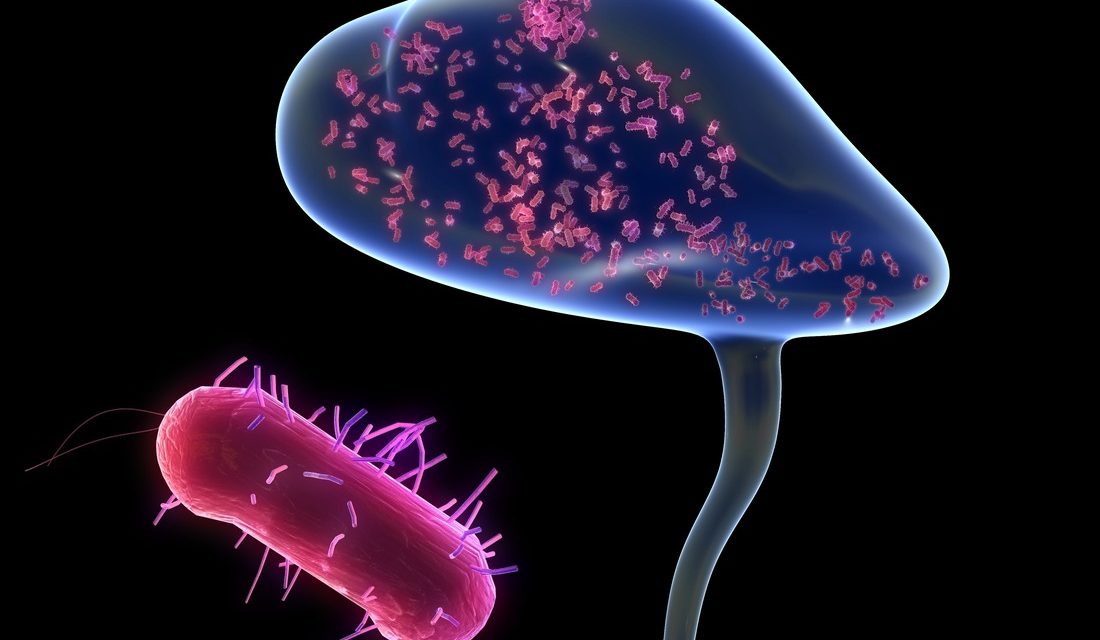
Every year, over 400 million urinary tract infections (UTIs) occur worldwide. The most common type involves bladder inflammation caused by E. coli. You might be familiar with UTIs if you experience symptoms like constant urge to urinate or a burning sensation. UTIs develop when bacteria enter areas like the bladder, leading to infections.
Research indicates that roughly 60% of women and 10% of men will experience a UTI at some point. Often, people are advised to prevent UTIs through good hygiene practices such as urinating before and after sex, proper wiping, avoiding douching, and drinking plenty of water.
Despite these precautions, many individuals still face recurring UTIs. This situation can cause feelings of guilt or shame, as 25% of women experience repeat infections despite following guidelines. At least two infections in six months or three in a year classify as recurrent UTIs.
“Recurring UTIs might be linked to epigenetic changes that predispose bladder cells to further infections,” notes a study from Washington University in St. Louis, published in Nature Microbiology.
Anatomy of the Urinary Tract
The urinary tract serves as the body’s drainage system, encompassing key components:
- Kidneys: Two, each the size of a fist, located below the rib cage.
- Ureters: Muscular tubes connecting kidneys to the bladder.
- Bladder: A hollow organ situated between the hip bones.
- Urethra: A tube at the bladder’s base, enabling urine expulsion.
Infections predominantly affect the bladder, with uropathogenic E. coli as the most common bacterial offender. Indira Mysorekar, a microbiologist at Baylor College of Medicine, emphasizes the severity when bacteria occupy bladder cells, shielding them from immune system attacks.
Mechanism of Recurrence
Research suggests enduring bacteria within the bladder might cause recurring infections. Indira notes bacteria form “houses” inside bladder walls, potentially leading to future infection flare-ups.
The body’s response involves the immune system expelling infected cells by wounding bladder lining, yet this process might inadvertently empower bacteria. In a study involving mice, researchers discovered epigenetic changes in bladder cells after severe infections. DNA markers made subsequent UTIs more aggressive.
Hope for Solutions
For those with recurrent UTIs, recent findings offer relief by removing blame from personal hygiene and suggesting new paths for treatment. Yet, this knowledge also acknowledges the enduring challenge many face.
“Understanding epigenetic changes could lead to improved patient defense against future infections,” states Tom Hannan, an immunologist involved in the Washington University study.
Continued research could reveal the potential for reversing these cellular changes, easing susceptibility over time.
Goats and Soda, NPR’s global health blog, recently covered the study from Washington University. Listen to Short Wave on Spotify, Apple Podcasts, and Google Podcasts for more insights.
For questions, contact [email protected]. This episode was produced by Berly McCoy, fact-checked by Anil Oza, edited by Rebecca Ramirez, and engineered by Robert Rodriguez. Thanks to Max Barnhart for his reporting contributions.
 Florida Reports First Dengue Fever Death as Outbreak Expands
  Federal Relief Funds Used for Anti-Racism Training in Albuquerque Schools
  Florida Man Claims ‘Lion Diet’ Transformed Health and Life
  Concerns Over Food Safety and Its Impact on Families
  A Mother’s Tragic Journey Under Abortion Ban
  Medical Diagnosis Errors: Understanding the Crisis