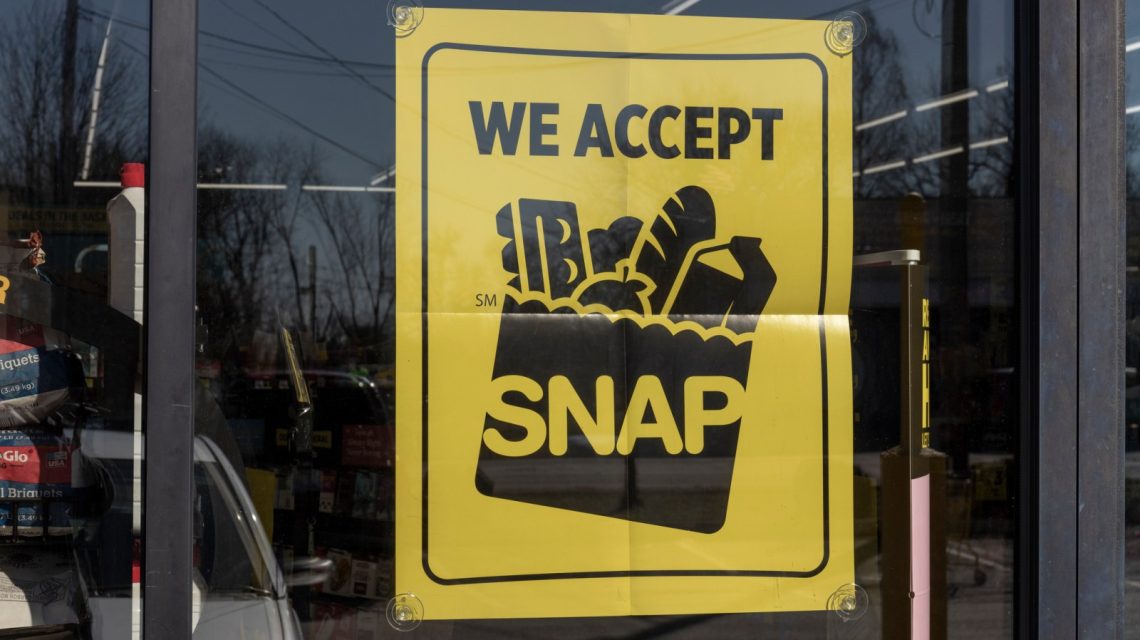
Montana is the latest state seeking federal approval to limit food purchases under the Supplemental Nutrition Assistance Program (SNAP). The state aims to restrict items like soft drinks and candy from being purchased using SNAP benefits. This initiative is part of a larger national move to ban junk food from the program, following efforts by 22 other states.
U.S. Department of Agriculture Secretary Brooke L. Rollins joined Montana Governor Greg Gianforte in submitting a waiver request to the USDA. This request seeks to prohibit the purchase of soft drinks and candy with SNAP benefits. The broader initiative aligns with the “Make America Healthy Again” agenda, promoted by Health Secretary Robert F. Kennedy Jr.
Current SNAP Purchase Guidelines
SNAP, often known as food stamps, provides monthly assistance to approximately 38 million low-income individuals in the U.S. Currently, beneficiaries can purchase a wide array of grocery items. Eligible products include fresh produce, meat, dairy, breads, cereals, snacks, and non-alcoholic beverages. Users can also buy seeds and plants to grow food at home.
Nonetheless, certain items are excluded from SNAP eligibility. Alcohol, tobacco, vitamins, supplements, hot foods intended for immediate consumption, and non-food household items such as pet products and cleaning supplies are not covered. The new state-level waivers aim to add junk food items like soda and candy to this list of exclusions.
State-Level Restrictions on Soda and Candy
Several states have already received approval for similar SNAP restrictions. These states aim to limit sugary drinks and confectionery purchases. The following list includes states with approved waivers:
- Arkansas
- Colorado
- Florida
- Hawaii
- Idaho
- Indiana
- Iowa
- Kansas
- Louisiana
- Missouri
- Nebraska
- Nevada
- North Dakota
- Ohio
- Oklahoma
- South Carolina
- Tennessee
- Texas
- Utah
- Virginia
- West Virginia
- Wyoming
Some of these policies are already in place in states like Florida, Idaho, Indiana, Iowa, Louisiana, Nebraska, Oklahoma, Texas, and Utah.
Reasons for SNAP Restrictions
Proponents argue that taxpayer money should not subsidize unhealthy food purchases. They believe restrictions might promote healthier eating habits. Robert F. Kennedy Jr. has been a strong supporter of limiting sugary items under SNAP. He stated that taxpayers should not fund purchases of products that may lead to diabetes among low-income children.
Concerns from Critics
Anti-hunger groups claim these changes unfairly target low-income individuals and complicate grocery shopping. Gina Plata-Nino, SNAP director at the Food Research and Action Center, criticizes the move as another effort to cut benefits and stigmatize recipients.
Lawsuits against the USDA have emerged over these restrictions, with plaintiffs arguing the policies cause checkout confusion. Marc Craig from Iowa reports frequent difficulties in determining which items are eligible for purchase with SNAP.
Retailer Considerations
Retailers and advocacy groups express concerns over operational challenges posed by varying state rules. The Food Research & Action Center believes the varied waiver systems could lead to confusion, retailer withdrawal, and reduced food access, especially for smaller stores with limited administrative capacity.
These restrictions come at a time when food prices are high nationwide, adding pressure on households already struggling to afford groceries.