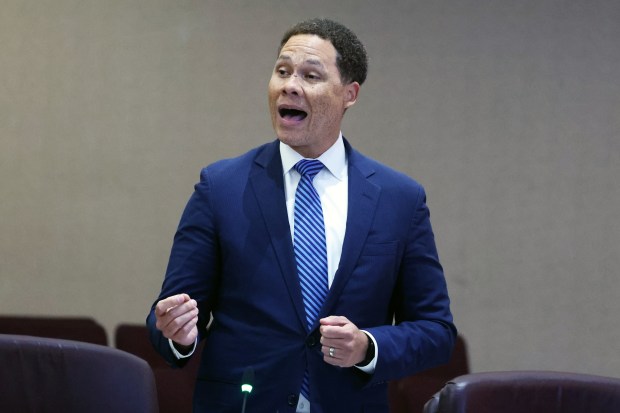
The Chicago City Council recently voted on a measure impactful to the Chicago Police Department and the broader community. On Wednesday, aldermen approved an ordinance banning officers with connections to extremist and hate groups, aiming to enhance the integrity and trust in law enforcement. The vote was close, with the ordinance passing 28-21.
Aldermen supported this ordinance to address reported extremism within the police ranks. Ald. Matt Martin of the 47th Ward advocated for the measure, emphasizing the importance of taking immediate action. He stated, “Refusing to act because one proposal is not a silver bullet, that’s a mistake.” His push for this ordinance comes as a response to past incidents, including the Jan. 6, 2021, U.S. Capitol riot and a critical 2024 report by Chicago Inspector General Deborah Witzburg.
This ordinance prohibits the Chicago Police Department from hiring or retaining officers linked to radical groups like the Three Percenters or Proud Boys. New investigative measures will vet police employees and applicants aggressively. Proponents believe such measures will ensure police officers meet ethical standards crucial for community safety and trust.
Critics, including Ald. Nick Sposato of the 38th Ward, argue the focus should be broader, applying to all city employees. John Catanzara, president of the Chicago Fraternal Order of Police, expressed concern, saying the ordinance unfairly targets the police force, suggesting that legal action could follow.
Mayor Brandon Johnson supports this initiative, highlighting the crucial role of police in maintaining public safety. According to Johnson, the measure will foster genuine trust between law enforcement and residents, a priority for the city’s leadership.
The city Law Department defended the ordinance, stating its narrow focus is legally sound under First Amendment considerations. This defense cites law enforcement’s unique responsibilities, advocating for the ordinance’s specificity on police force members’ potential expressive activities. Martin acknowledges the focus on police is imperative due to their distinct role involving government-issued weapons and law enforcement duties.
The ordinance considers various actions as indicative of extremist ties, including recruiting, fundraising, getting tattoos, and wearing clothes with extremist symbols. The definition of extremist groups remains “content neutral,” ensuring fairness in its application.
This development marks a significant step in addressing extremism within the force and underscores the importance of maintaining high ethical standards in law enforcement.
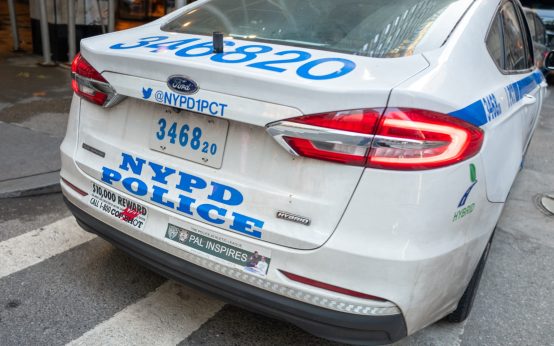 Ex-NYPD Sergeant’s Guilty Plea for Impersonating ICE Officer
 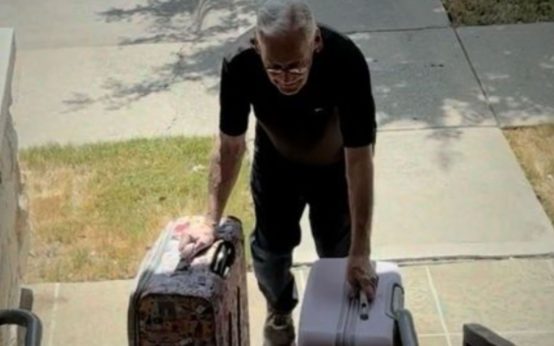 GoFundMe Shuts Down Fundraiser for Elderly Man Due to Allegations of Misrepresentation
  City Sues Property Owners Over Alleged Neglect
  Chris Hansen’s Role in Recent Louisiana Sting Operation
 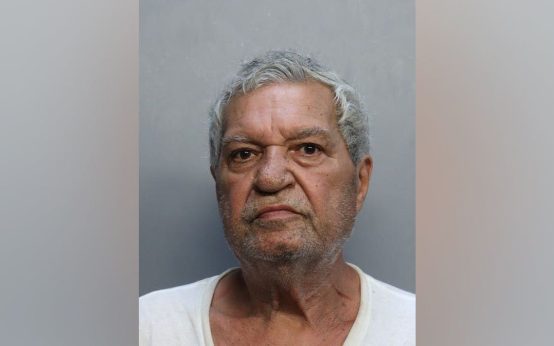 Cuban Immigrants with Criminal Records Arrested for Drug and Weapons Charges
  Florida Man Arrested for DUI and Cocaine Possession