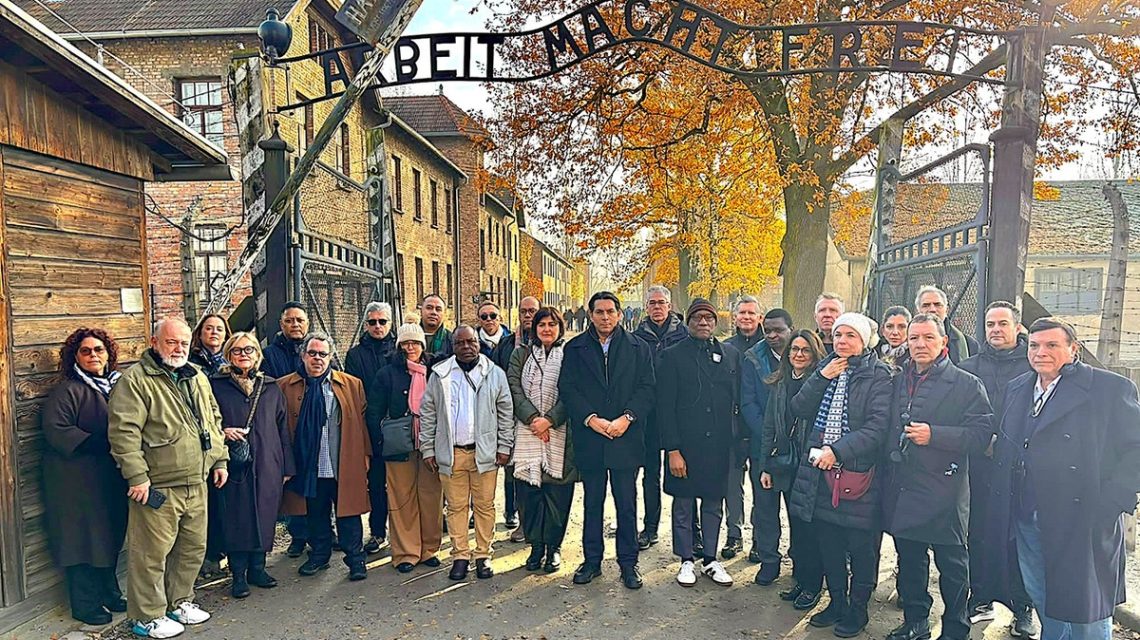
Earlier this month, amid increasing antisemitism worldwide, I walked with dozens of United Nations ambassadors through the ominous gates of Auschwitz. Each visit to this site is a stark reminder of the severe cost of antisemitism and the dire results of silence in the presence of hatred. This diplomatic mission took place at a pivotal time as the race to select the next U.N. secretary-general progresses.
The new secretary-general must tackle entrenched antisemitism within the U.N. institution. This issue is deeply rooted in U.N. headquarters, evident in the words of U.N. officials, formal reports, and even the secretary-general’s rhetoric. An institution established post-Holocaust should not harbor platforms for Israel’s demonization.
Representing the Jewish state, we hold a duty to confront this issue. We cannot act in isolation. Building diplomatic alliances with other nations is crucial to ensuring that combating antisemitism becomes a global priority.
AMBASSADOR JEFF BARTOS: UN MUST ABANDON ANTI-AMERICAN, ANTI-WESTERN LEGACY OF DURBAN CONFERENCE
In September, a U.N. member state task force was founded to fight antisemitism internally and globally. We focused on making declarations against antisemitism tangible actions. The incoming secretary-general must advance these efforts, not let them drift into mere promises.
Our trip to Poland extended these efforts, emphasizing the importance of keeping Holocaust memories alive in global consciousness. The slogan “Never Again” loses meaning if the world forgets past horrors.
Experiencing Auschwitz firsthand was new to many participating ambassadors. Witnessing the site gave them a deeper understanding beyond academic descriptions.
The challenge extends beyond U.N. actions. In 2025, antisemitic violence reached a peak, with over twenty individuals losing their lives in four distinct attacks. In the U.S., FBI data showed that although Jews comprise less than 3% of the population, they were victims in 63% of religiously motivated hate crimes. The pattern continues, with recent events reflecting pre-Holocaust antisemitic rhetoric and collective accusations.
Being in Poland provided a shared context with my colleagues against a historical backdrop. However, the mission’s most significant aspect unfolded in Israel.
In Israel, I introduced them to our nation’s beauty, resilience, and ongoing challenges. Visits to critical sites and briefings highlighted Israel’s situation. These experiences underscored that Israel is more than a refuge; it is the Jewish people’s eternal homeland.
Engaging with the U.N. remains necessary despite constant adversity. We must remain vigilant, counter lies, challenge prejudice, and pursue diplomatic victories. Fighting antisemitism needs education and exposure to history. It also requires tackling misconceptions about Israel and Jewish people.
Leadership is essential in combating antisemitism. The next secretary-general will face a profound challenge. Addressing antisemitism must transcend rhetoric and become a leadership test. The mission demonstrated that addressing hatred proactively is crucial, requiring action, accountability, and confronting those who fuel hatred.
We aim to embody these lessons at the U.N., forming coalitions, opposing antisemitism, and urging the institution to honor its foundational principles. The next secretary-general faces a choice: confront antisemitism or allow it to persist within the U.N. Our goal is to ensure this decision cannot be overlooked.
Ambassador Danny Danon is Israel’s Permanent Representative to the United Nations.
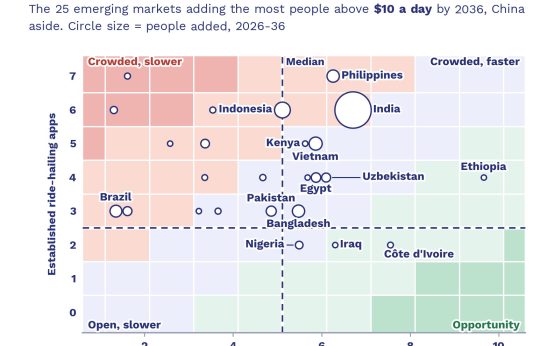 Ride-Hailing Market Expansion Challenges
 Massive Casualties in Russia’s Invasion of Ukraine
 Successful Rescue Operation Ends Hostage Siege in Cartagena, Colombia
 Shanghai Party Secretary Under Investigation Amid Ongoing Anti-Corruption Campaign
 Jennifer Barreto Wins Miss Universe 2026 Amid Controversy
 Pentagon Delays Patriot Missile Deal for Ukraine