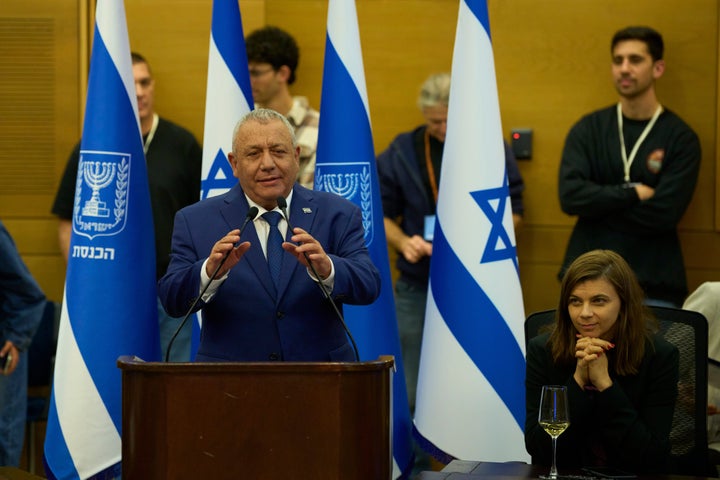
In Ramallah on November 22, aggressive actions by Israeli settlers against Palestinian villages in the occupied West Bank have escalated tensions, as reported by residents. These hostile acts included setting fires and spray-painting racist graffiti, which led to a public outcry from Gadi Eisenkot, the opposition leader aiming to establish a new Israeli government.
The situation intensified following Hamas’s assaults on Israel from the Gaza Strip in 2023. Coming nearly a month after elections that left former Prime Minister Benjamin Netanyahu without a clear majority, the political atmosphere remains uncertain. Eisenkot, leader of the Yashar party, steps into the spotlight with the difficult task of government formation.
Incident evidence surfaced as Reuters journalists observed burnt-out vehicles and slogans like “Revenge” painted on walls in the affected villages near Ramallah. Although no group has explicitly claimed responsibility and there have been no reports of injuries, Eisenkot condemned the actions as “Jewish terrorism.”
He criticized extremist groups for their destabilizing influence, noting the significant threat they pose to regional peace and Israel’s own national security and foreign relations. Eisenkot attributed part of the problem to the policies of ultra-nationalist ministers Itamar Ben-Gvir and Bezalel Smotrich, accusing them of contributing to the current volatility.
Investigation and Political Reactions
The Israeli police have launched an investigation into these incidents. The military has also denounced the violence, dispatching forces to the affected areas following reports of arson and vandalism. The settlements’ legality remains a debated issue globally, with many nations considering them a major obstacle to a Palestinian state, a stance contested by Israel.
In response, Ben-Gvir claimed on social media that Eisenkot’s remarks equaled capitulation to Arab interests, which he suggests might be included in a new government formation. Smotrich continues his advocacy for expanding settlements and annexing the West Bank.
Yousef Jabareen, leader of the Joint List, a significant Arab political group, echoed the sentiment that these attacks are a byproduct of ongoing occupation and policies tacitly supporting violence against Palestinians.
Political Struggles and Future Prospects
Following the election on October 27, Israel’s political landscape remains fractured. Despite Netanyahu losing his parliamentary majority, no alternative coalition has succeeded in establishing power. President Isaac Herzog tasked Eisenkot with attempting to form a government, while Netanyahu serves as the interim head of state.
Should Eisenkot aim for a stable administration, collaboration with Netanyahu or garnering backing from Arab parties may be necessary, paving the way for a prospective coalition. Inability to form a government could lead Israel to face another election next year.
(Additional inputs from Steven Scheer in Jerusalem; Edited by Kevin Liffey)
 European Governments Encourage Preparedness for Emergencies
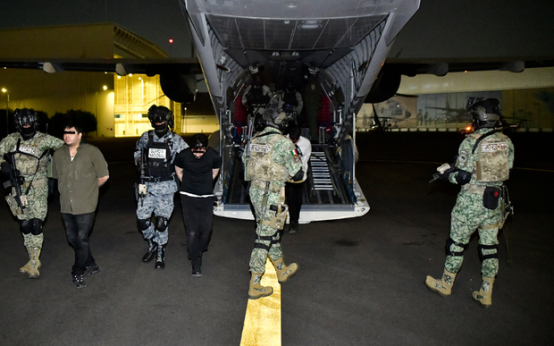 Capture of Fausto Isidro Meza Flores Sparks Violence in Sinaloa
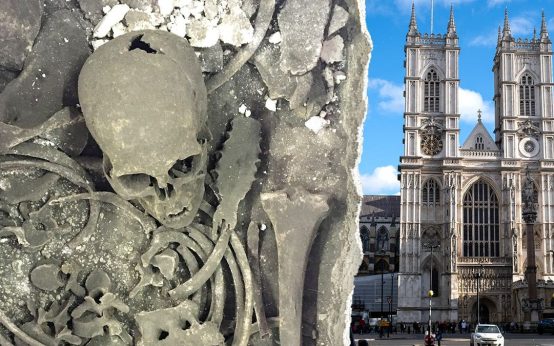 Archaeologist Uncovers Roman Fort and Solves Medieval Skeleton Mystery
 Netanyahu Faces Legal Challenges Without Prime Ministerial Power
 NATO Intelligence: Russia May Launch Nuclear-Armed Satellite
 Father and Daughter Detained by ICE While Boarding Flight