On November 23, 2026, KFF Health News reported on the aftermath of Hurricane Lowell in Poʻipū, Hawai’i. A month has passed since the hurricane affected the island of Kauaʻi, leading to visible damage in neighborhoods. The Sheraton Kauaʻi Resort was particularly impacted, resulting in over 100 layoffs. Unemployment claims surged from 69 to approximately 1,800 within two weeks post-hurricane.
Medicaid applications saw a significant rise, nearly 50% within the following month, according to the Hawaiʻi Department of Human Services. Medicaid plays a crucial role during emergencies by ensuring healthcare coverage. However, new work requirements under the One Big Beautiful Bill Act, signed by President Trump, put coverage at risk. The act demands many nondisabled Medicaid adults in 43 states and Washington, D.C., work, volunteer, or attend school at least 80 hours monthly. Eligibility checks begin in January.
Residents in disaster-hit areas may receive short-term exemptions from these work rules. Eligibility requires a federal disaster or emergency declaration. Yet, such declarations can be slow or may not occur. The Trump administration’s lack of guidance adds uncertainty.
Personal Impacts
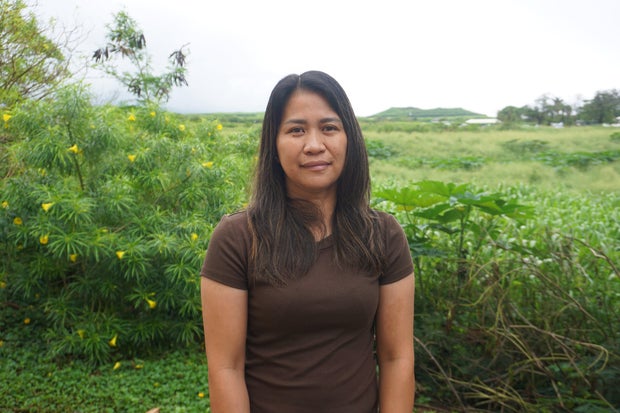
People like Rochelle Ganotisi, a mother of five, face uncertainty. She was laid off from the Sheraton Kauaʻi Resort. The workers’ union secured health insurance coverage for three months post-layoff. Ganotisi plans to apply for Medicaid if her situation doesn’t improve.
Hawaiʻi Governor Josh Green stressed the need for timely disaster declarations due to impending Medicaid changes. The Centers for Medicare & Medicaid Services (CMS) allowed states to delay enforcing work rules until next July, though eligibility checks begin January 1. Green expressed concern over potential impacts on healthcare services if thousands lose benefits.
Hawaiʻi aims to maintain Medicaid coverage until July for those not meeting work requirements. Many states, excluding Indiana, Iowa, Missouri, and Ohio, are adopting hardship exemptions.
Systemic Challenges
CMS allows states to seek longer hardship exemptions if they prove persistent barriers due to disasters. Tom Cotter, of Health Response Alliance, noted the strain on emergency healthcare facilities as coverage lapses. He emphasized that work requirements could slow economic recovery post-disaster.
Nebraska’s early implementation of Medicaid work rules offers a lens into these dynamics. Issues arose with delays in disaster declarations impacting coverage reprocessing. Nebraskans affected by disasters initially lost coverage, but eligibility was reevaluated after applying hardship exemptions.
Wider Effects
Disasters often prolong economic recovery. About 90% of affected businesses fail within two years, according to the U.S. Small Business Administration. Housing shortages further compound recovery challenges.
Democratic states have pursued legal action against CMS over short timelines for disaster-based Medicaid exemptions. The Trump administration’s record indicates a high denial rate for disaster declaration requests, influencing coverage delays, particularly in states led by Democratic governors.
Hawaiʻi has seen multiple disaster declarations, highlighting the scope of its challenges. Many wait months for declarations, affecting Medicaid eligibility timelines.
The Human Side
For individuals like Oscar Cardova, who lost insurance due to employment impacts from the hurricane, Medicaid remains out of reach due to immigration status. He and his wife rely on limited resources, living in their van and planning cautiously for their future. Cardova expressed their struggle, considering relocation for better opportunities while navigating their current situation.
KFF Health News is part of KFF, a nonprofit focused on health policy research and journalism.
 Journey Through My Daughter’s Diagnosis and Recovery
 Michelle Yeoh’s Morning Wellness Routine
 Human Lifestyles Influence Dog Gut Health, Study Finds
 Researchers Develop Vaccine for Multiple Food Allergies
 Hormone Contamination Prompts Toothpaste and Mouthwash Recall
 Christina Applegate Discusses Possible Link Between Breast Implants and Misdiagnosed MS