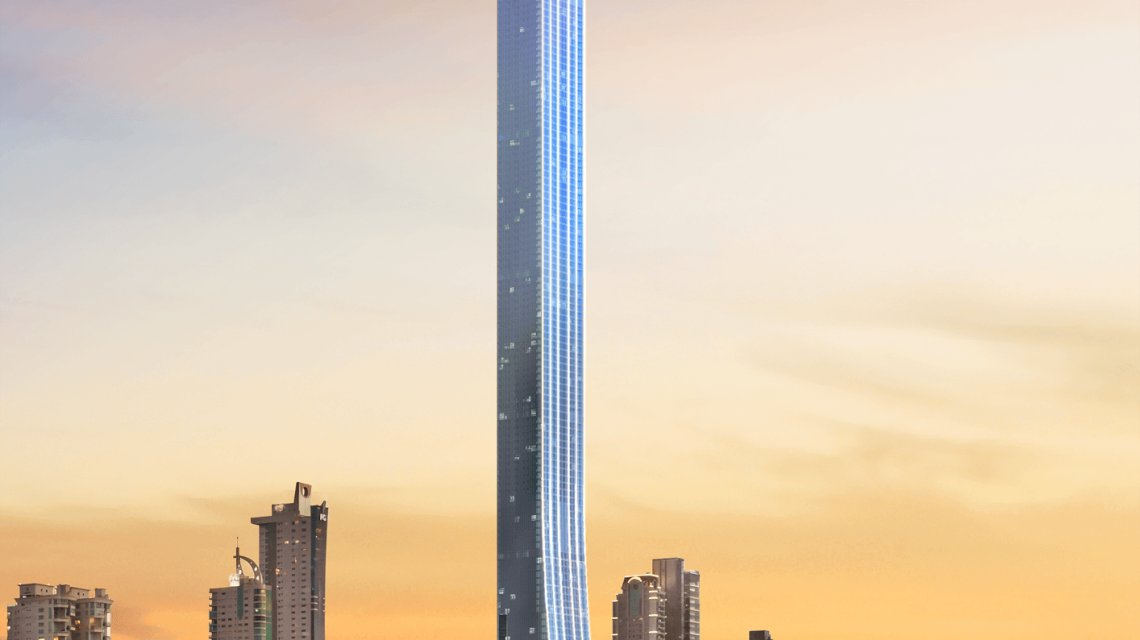
In Brazil, construction of the Senna Tower is making strides. Set in Balneário Camboriú, this upcoming skyscraper will be the world’s tallest residential tower upon completion. Civil engineer Stephane Domeneghini, from Talls Solutions, shared insights about this project.
Reaching over 550 meters, Senna Tower will surpass One World Trade Center in New York, which stands at 541 meters. According to the Council on Vertical Urbanism (CVU), it will be the tallest building outside Asia.
The achievement of laying down the foundation is crucial as the skyscraper aims to rise more than 550 meters,Domeneghini noted.
This phase included 798 auger cast piles beneath the foundation mat, with pile lengths ranging from 27 to 44.5 meters to ensure stability. Currently, the focus is on developing the massive concrete foundation mat, crucial for supporting the superstructure.
Concerning engineering challenges, Domeneghini highlighted the site’s geotechnical complexity. Layers of sand, silt, clay, and varying elevations called for a tailored foundation solution. Over four years, extensive research and tests were performed with prominent consultants like professor Harry Poulos reviewing the foundation plan.
Additionally, construction logistics pose challenges. Operations run only between 7 a.m. and 5 p.m., unlike other markets where 24-hour construction is common. Here, 4D planning and BIM models optimize timing and sequencing of activities.
By the end of the coming year, the superstructure will be showcased. However, completion is projected in six or seven years.
Globally, Brazil is not alone in vying for the tallest skyscraper. The Jeddah Tower in Saudi Arabia aims to eclipse all, standing over 1 kilometer. Meanwhile, China’s Tianjin 117 sets records with its elevator system amidst prolonged construction timelines.
In the U.S., 2 World Trade Center continues at New York’s site, projecting a height of 1,226 feet. Set in Florida, the Waldorf Astoria Hotel & Residences Miami will become the tallest south of Manhattan upon finishing in 2028.
 Innovation in Satellite Collision Avoidance
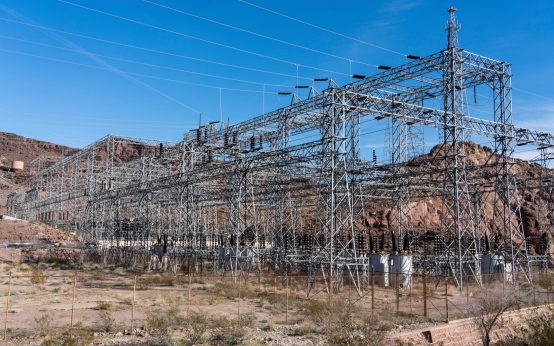 Challenges Loom for America’s Power Grid: Analyzing the Equipment Shortfall Crisis
 The Transformation of Brussels Sprouts
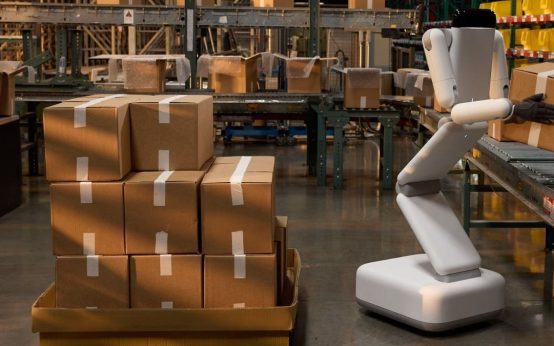 AI and Robotics Redefining Workforce Skills
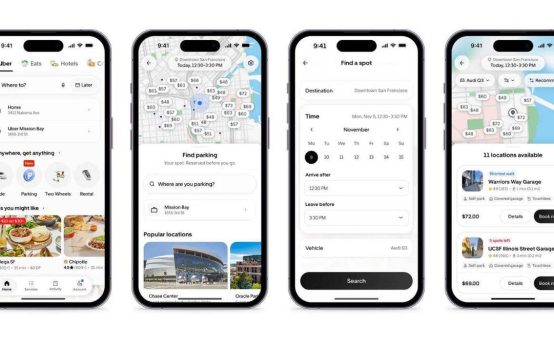 Uber Launches App Feature to Reserve Parking Spaces
 Examining Recent System Outages: The Need for Rigorous Management and Accountability