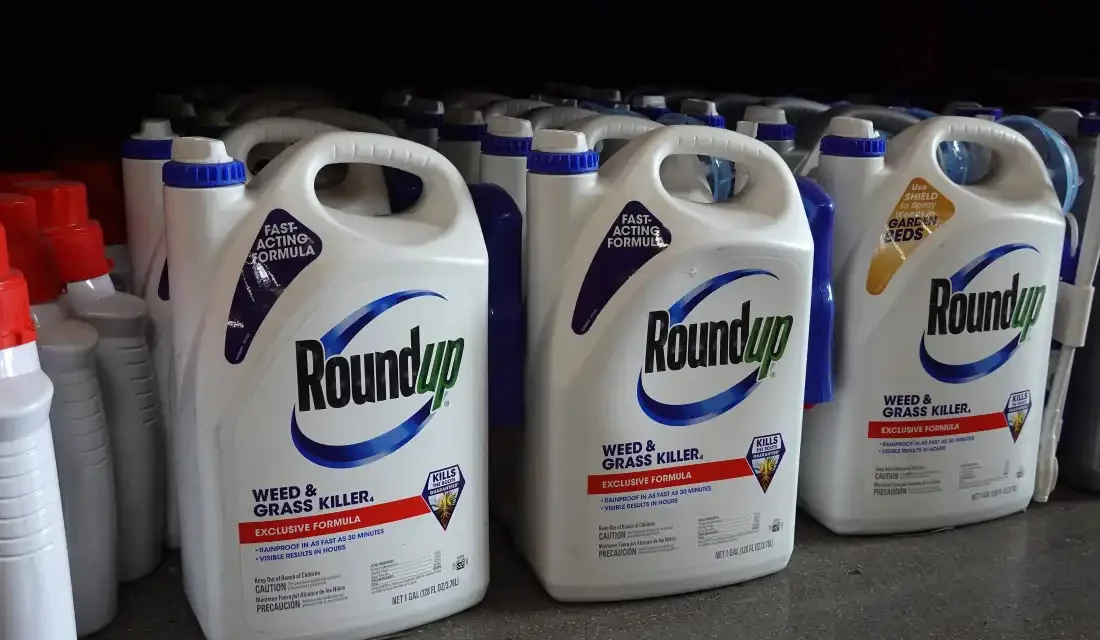
Bayer, a leading agrochemical and biotech firm, has agreed to a multi-billion-dollar settlement over lawsuits alleging that its herbicide, Roundup, causes cancer. On Friday, a Missouri judge gave final approval to the settlement, which may cost the company up to $7.25 billion in the future.
The settlement funds are designated for individuals diagnosed with non-Hodgkin lymphoma, a type of blood cancer they claim is linked to glyphosate, the primary ingredient in Roundup. Compensation amounts range from $10,000 to $165,000 based on exposure levels, diagnosis age, and other factors.
Bayer’s CEO, Bill Anderson, described the settlement as a “decisive milestone” intended to reduce the risk of further litigation. Judge Timothy Boyer noted that this settlement ranks among the largest mass tort personal-injury class action settlements in history.
Earlier in the year, the U.S. Supreme Court sided with Bayer, which acquired Monsanto, ruling that the company could avoid state court lawsuits related to failing to inform consumers about glyphosate’s possible cancer risks. Roundup is the world’s most commonly used weed-killer.
Attorney Christopher Seeger, representing the plaintiffs, stated that the order ensures compensation for Roundup cancer victims who have awaited justice for more than ten years. This new settlement follows a prior agreement in which Bayer consented to a payout of between $10 billion and $11 billion for over 100,000 claims connected to Roundup.
Over a decade ago, the World Health Organization’s cancer agency evaluated glyphosate and labeled it as a probable carcinogen for humans. Recent critiques from prominent environmental health scientists support these findings. Nonetheless, Bayer continuously denies any cancer-causing effects of its product.
The Environmental Protection Agency (EPA) hasn’t identified risks connected to glyphosate use, including cancer; however, the agency is now conducting a review following significant pressure from advocates and scientists.
Glyphosate’s safety concerns impact organizers of Health Secretary Robert F. Kennedy Jr’s “Make America Healthy Again” initiative. The Trump administration supported Bayer in the Supreme Court case and endorsed domestic glyphosate production.
Despite concerns, glyphosate remains in use within the agricultural sector, although Bayer removed it from U.S. residential products years ago.
 Challenges and Innovations at White Oak Pastures
 Debate Rekindled Over Gray Wolves and Livestock Losses
 Protests Erupt Against Data Centers in Spain
 Lewis Pugh Swims Strait of Hormuz Amid Conflict
 AI and Mathematics: A Potential Breakthrough on the Riemann Hypothesis
 The Importance of the Senate’s Bipartisan Permitting Reform Deal