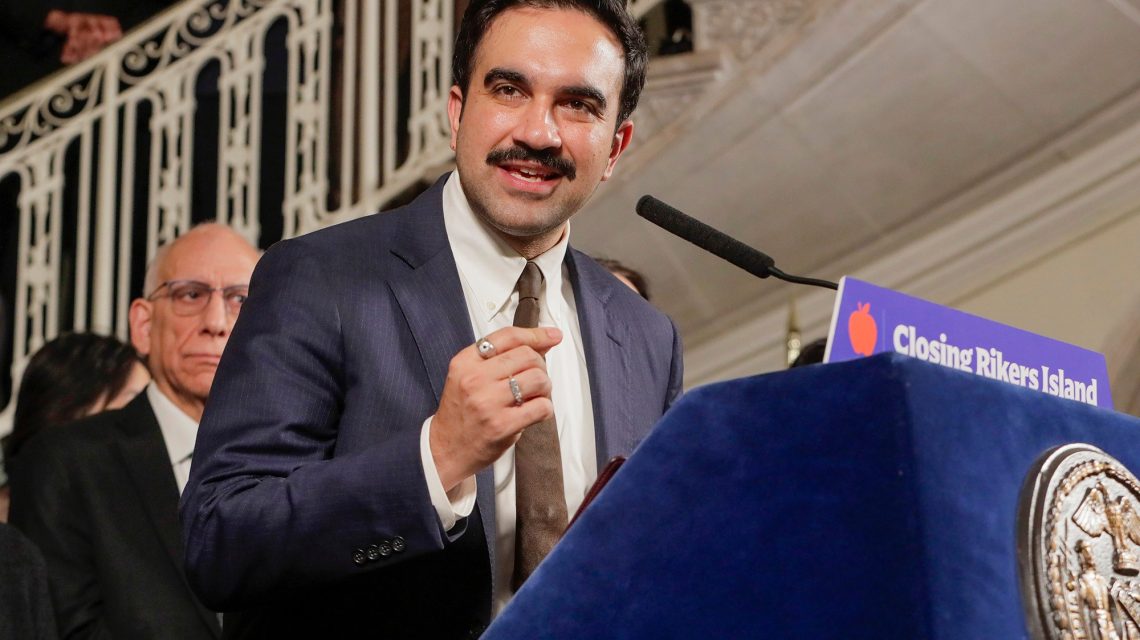
New York City’s approach to crime and justice reforms has sparked numerous debates and controversies. Mayor Zohran Mamdani’s proposal to shut down Rikers Island has drawn criticism. The current plan involves creating 4,100 jail cells across boroughs for a city of 8.5 million residents. Critics argue this move could release over 1,000 violent offenders, raising public safety concerns.
New York Attorney General Letitia James faces scrutiny over her slow-paced investigations into police conduct, potentially leaving officers vulnerable for extended periods. This issue reflects tensions between law enforcement and judicial oversight.
Mayor Mamdani’s condolences to the family of Clarence Woodward, who died in Rikers while awaiting trial, highlighted broader concerns about tragic outcomes in the jail system. Opponents believe his overall agenda risks public safety by reducing jail populations amid staffing shortages.
Crime statistics in NYC have become a point of contention. Since the bail reforms of 2019, criminal activities surged. This rise challenges the perceived benefits of releasing offenders without bail. A recent study noted that 66% of those released under reform outside NYC were re-arrested within two years.
Highlighting the complexities further, NYPD Detective Jonathan Diller’s case showed limits of sentencing laws; even a 115-year sentence isn’t guaranteed to be definitive. Such complexities arise amidst ongoing debates about effective law enforcement strategies to combat recidivism.
Amidst these concerns, political movements emphasize the importance of acknowledging law enforcement’s challenges. Critics suggest that justice reforms need refinement to prevent chaos and maintain safety in NYC.
Comparing crime rates from 2019, opponents of reform see a substantial increase, demanding serious reevaluation. The Metropolitan Transportation Authority reported a significant financial loss due to fare evasion, which some link to perceived leniency in law enforcement.
As discussions continue, public sentiment remains divided on whether recent reforms prioritize community safety or inadvertently jeopardize it. The city faces pressure to strike a viable balance that effectively addresses these critical issues.