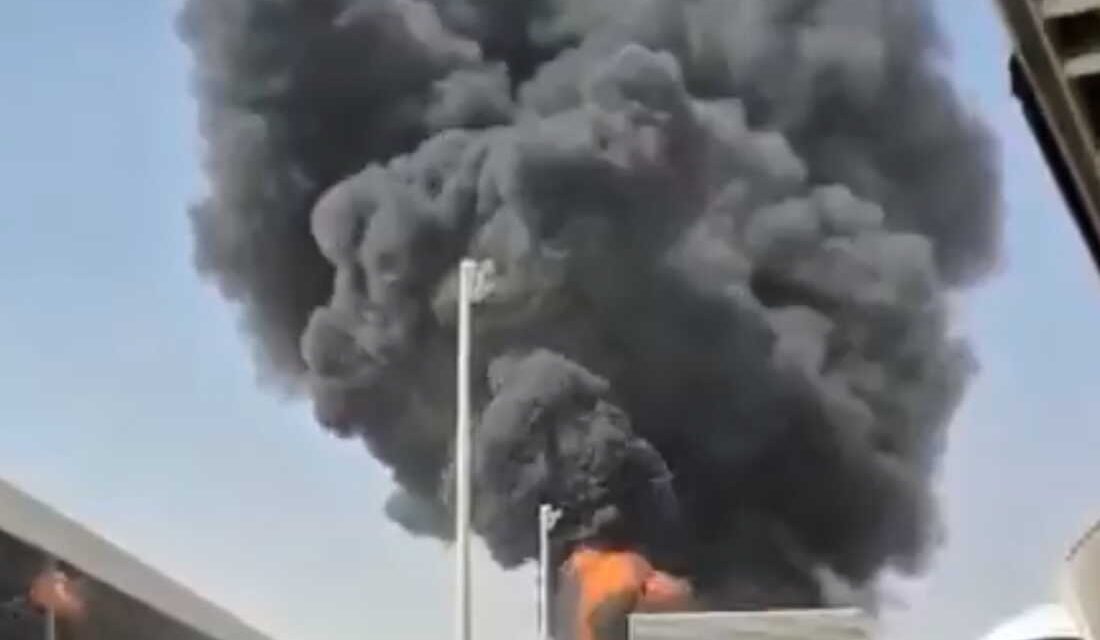
CAIRO (AP) — A recent attack on King Khalid International Airport in Riyadh resulted in 12 fatalities and over 300 injuries, some of which are critical, according to civil aviation authorities. This incident marks the deadliest assault in a Gulf Arab country since the outbreak of the Iran war, highlighting the escalating conflict between Iran-backed Houthi rebels in Yemen and Saudi-backed government forces.
The deceased comprised individuals of diverse nationalities, including four Saudi citizens, two Bangladeshis, a Palestinian, a U.S. citizen, an Egyptian, a Jordanian, a Syrian, and a Sudanese. Injured persons are receiving treatment across multiple hospitals.
The attack follows a recent pattern against King Khalid International Airport, which has already experienced several assaults this week, resulting in four deaths. The situation could prompt Saudi Arabia to urge allies, including the U.S., for increased military support. President Donald Trump expressed that he is considering whether the U.S. will support Saudi strikes against the Houthis, stating, “We may. We’re going to look at it.”
A missile targeted the airport’s domestic flight terminals, according to a regional official who requested anonymity. This surge in attacks aligns with a major offensive launched by a Saudi-led coalition against the Houthis. Although there was no immediate claim from the rebels, they accused Saudi Arabia of attacking Sanaa International Airport in Yemen earlier on Saturday.
Riyadh airport operations were suspended. An official notice indicated that flights would resume post-midnight. Security tightened, blocking all entrances, and diverting flights.
Several countries, including the U.S., Britain, Germany, Australia, and Canada, advised citizens to avoid the airport. Later, they issued condolences for the tragedy.
Further attacks occurred, with a projectile landing near King Fahd International Airport in Dammam and a ballistic missile intercept in Al-Kharj governorate. Such incidents have impacted the oil market and regional stability. Despite the turmoil, the Saudi energy ministry remains committed to hosting a planned international energy conference.
Escalating conflicts between the Houthis and Saudi-backed Yemeni forces have intensified, with the Saudi-led coalition backing government efforts to reverse Houthi gains along the Red Sea coast.
The tensions extend beyond Yemen. The Houthis’ actions have raised concerns of broader violence, involving shipping surveillance, missile interceptions, and airspace threats.
With diminishing interceptor supplies, Saudi Arabia seeks missile defense support from France, Britain, Pakistan, and Egypt. The need for intelligence sharing, target identification, and strategic planning with allies remains crucial in their current offensive against the Houthis.
Houthi warnings have emphasized the risks of operating in Saudi airspace, leading several airlines, such as Air India, FlyDubai, Lufthansa Group, and Pakistan International Airlines, to suspend flights. The European Union Aviation Safety Agency advises caution, citing increased risks due to ongoing military actions.
Two recent attacks damaged three aircraft at the Riyadh airport. Officials highlighted issues related to potential misidentification of civil planes amid the military operations.
Concerns about potential legal repercussions emerged as Saudi authorities cautioned against sharing information on missile and drone counteractions.
 Trump Advocates for New Ukrainian Leadership Post-Russia Deal Dispute
  At Least 12 Reported Dead and 309 Injured in Attack on Saudi Airport
 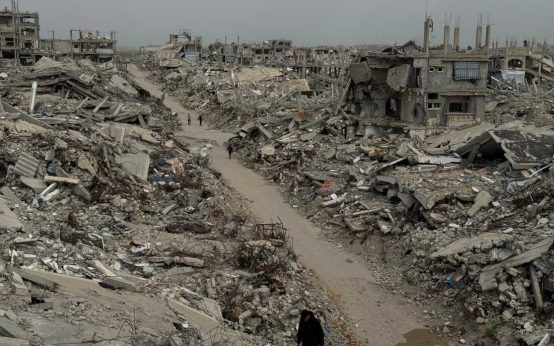 Recovery Efforts Amid Devastation in Beit Lahia
  Storm Updates and Impact Reports in the Southeast
  Pope Leo XIV Labels Death Penalty an Assault on Human Dignity
 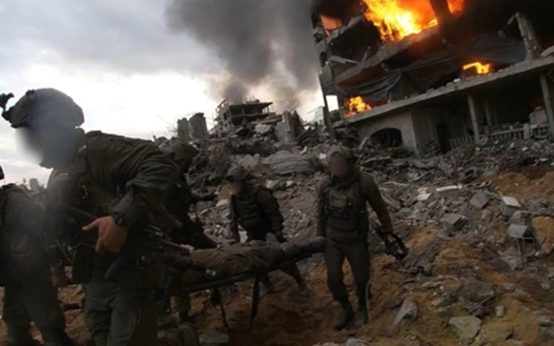 Advancements in Israeli Military Medicine Aid U.S. Efforts