Oklahoma Senator Alan Armstrong has emphasized the pressing need for permitting reform to enhance American energy independence. He has pointed out that existing processes and legal battles cause significant delays in vital infrastructure projects, despite the availability of U.S. oil and gas resources. Armstrong, formerly a CEO, has highlighted how legal challenges can stall multi-billion dollar undertakings, stressing the importance of decisive political action to expedite energy development.
The Republican-led Senate has achieved a significant victory by advancing a comprehensive bill aimed at overhauling the U.S. permitting system. This move seeks to accelerate infrastructure and energy development across the nation. The Senate’s progress on the Bipartisan American Affordability and Jobs Act of 2026 (BAAJA) occurred with a substantial bipartisan vote. The legislation had been subject to multiple revisions over the past months, eventually receiving support from a bipartisan coalition and the White House.
The expansive legislative package aims to speed up environmental reviews of projects, restrict legal challenges, safeguard approved projects, enhance the electric grid, and streamline energy development across sectors such as oil, gas, and renewables.
Chair of the Senate Environment and Public Works Committee, Shelley Moore Capito, R-W.Va., commented on the bill in September, remarking, “This is a major step toward making it faster and more efficient and easier to build infrastructure projects, certainly without giving up any of the strong protections for our environment.”
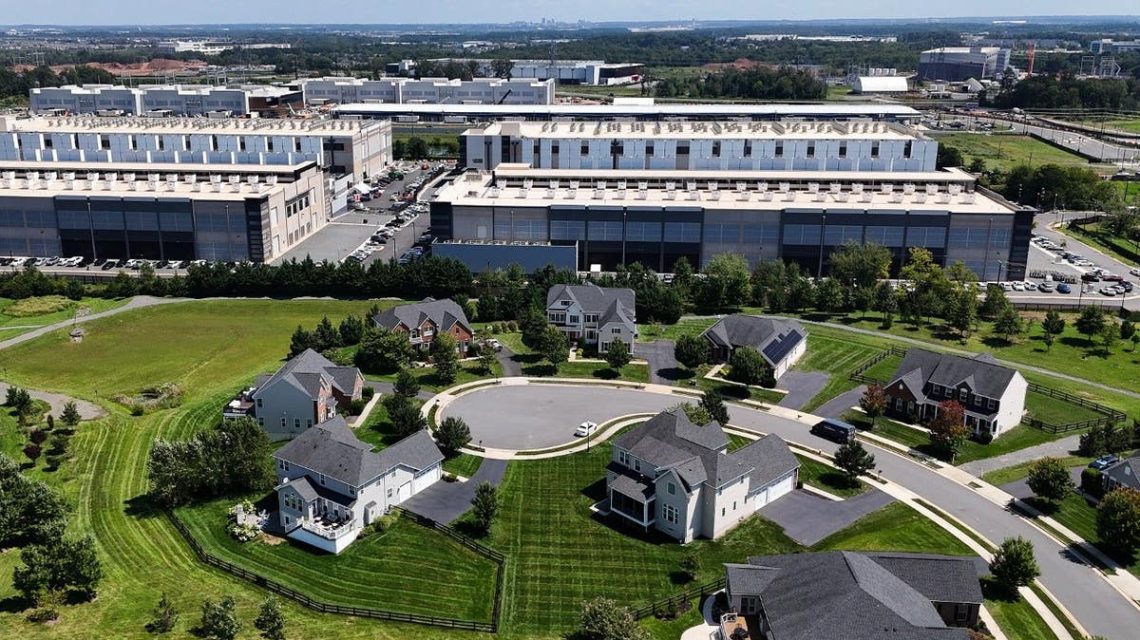
The bill also addresses a significant voter concern regarding data centers. Senator Martin Heinrich, D-N.M., has played a leading role in advocating for stronger legislative language to protect ratepayers from increased costs resulting from data center development and electricity consumption.
There are various approaches between states for addressing utility bills amid the AI surge. Democrats previously criticized a similar Republican proposal from Senator Jon Husted, R-Ohio, for a lack of enforcement.
Heinrich stated, “This process will mean that we develop responsibly. It will mean more jobs. It will mean cheaper energy.” He emphasized that legislation requires large load centers, such as factories or data centers, to cover additional power costs and avoid passing these onto consumers.
The provision requires data centers with a demand of at least 20 megawatts of power to bear the cost of additional power for their operations. It also mandates financial guarantees for building or upgrading facilities, requires payment for infrastructure costs if they vacate an area, allows states to charge higher rates to alleviate other customers’ bills, and imposes power supply conditions.
Whether the legislation will pass in the House remains uncertain. Sen. Armstrong, appointed earlier this year to replace Homeland Security Secretary Markwayne Mullin, has made permitting reform a priority. He expressed optimism about bipartisan support but noted concerns about member attendance in votes.
Armstrong mentioned, “A lot of the language that’s in here came right out of a lot of the House’s work,” signaling potential support in the House if attendance allows.
Alex Miller reports for Fox News Digital, focusing on the U.S. Senate.
 Bob Woodward Reflects on His Storied Career
 Trump to Present Presidential Medal of Freedom to Rudy Giuliani
 Land Disputes Arise Over Jared Kushner’s Resort Plans in Albania
 Rep. Julia Letlow Announces Marriage and Recent Political Journey
 A Critical Look at Chicago’s Financial Struggles and Potential Solutions
 Key Developments and Updates in Politics, Health, Sports, Markets, and Security