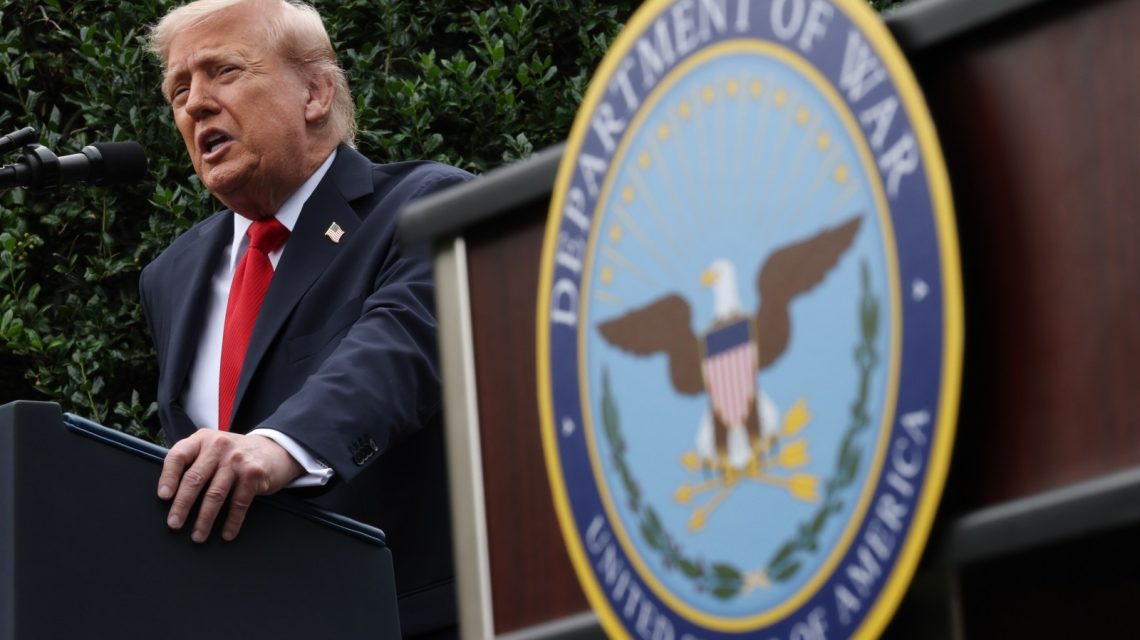
President Donald Trump on Thursday urged Senate Republicans to act swiftly on a $350 billion military spending package before Democrats take control of Congress in January. He accused the incoming majority of planning to obstruct what he described as a historic investment in national security.
“I rebuilt our Military in my First Term, and we’re doing it AGAIN, bigger and better than ever before!” Trump wrote on Truth Social. “They want to leave our Warriors weak, and unguarded, but the American People want their Warriors SAFE and STRONG.”
The administration has requested a $1.5 trillion defense budget for fiscal 2027. Of this, $1.15 trillion would go through the regular appropriations process and $350 billion via reconciliation. This request includes $47 billion for expanded munitions production, $17 billion for the Golden Dome missile defense system, and over $48 billion for critical minerals.
Defense Secretary Pete Hegseth has advocated for the passage of this package, emphasizing its importance for expanding the defense industrial base. The military’s munitions consumption in the conflict with Iran has raised concerns about inventory shortfalls.
House Republicans revealed a third reconciliation framework with $60 billion for defense, which falls $290 billion short of what the White House sought. The House adopted a $95 billion budget resolution, yet the Senate did not vote on it prior to the midterms.
Resistance Within the GOP
Budget reconciliation allows the majority to pass spending bills without requiring the usual Senate supermajority, meaning Democratic votes were unnecessary. However, Republicans have faced internal disagreements.
Senator Mitch McConnell indicated his reluctance by stating, “It’s safe to conclude there will not be another reconciliation bill.” Concerns were also raised by other Republican senators, including Susan Collins, Lisa Murkowski, and John Cornyn.
After the midterms, the pressure intensified. Conservative factions, led by figures like Ron Johnson, clashed over the proposed package. While some politicians, such as Tom Cotton, declared full support, issues of agreement persisted. Kentucky Senator Rand Paul opposed the bill, and Josh Hawley questioned its necessity.
Republicans can afford to lose three senators on a party-line vote. Any absences in the House could jeopardize the passage.
Comparison with Health and Education Spending
The $350 billion request expands an already growing defense budget. Trump’s 2027 proposal suggests a 44 percent increase in military spending while reducing domestic programs by $73 billion.
This includes a reduction in the Department of Education’s budget down to $76.5 billion and cuts to the Department of Health and Human Services by 12.5 percent. The National Institutes of Health and the Centers for Disease Control and Prevention could also see significant budget reductions.
Collectively, the reconciliation request represents over half of the $660 billion proposed for nondefense agencies. Mandatory programs like Medicare and Medicaid, although larger, have also faced cuts. The One Big Beautiful Bill Act reduced Medicaid funding by nearly $1 trillion over a decade.
Congress has largely ignored proposed domestic cuts for 2026, even increasing NIH funding by $415 million.
Democratic Opposition
Democrats have opposed both the defense budget increase and the Iran conflict. Almost all Senate Democrats voted against the defense policy bill, citing unauthorized military engagement as a major concern.
Representatives like Rosa DeLauro and Chris Coons criticized the reconciliation package as unlikely to pass. The route was designed to bypass Democratic opposition, with looming Democratic majorities intensifying the urgency.
Some Republicans are considering alternative approaches, such as attaching defense funding to temporary spending measures, though bipartisan agreement remains uncertain.
 Amy Klobuchar Takes On Governorship with Promises for Minnesota’s Growth
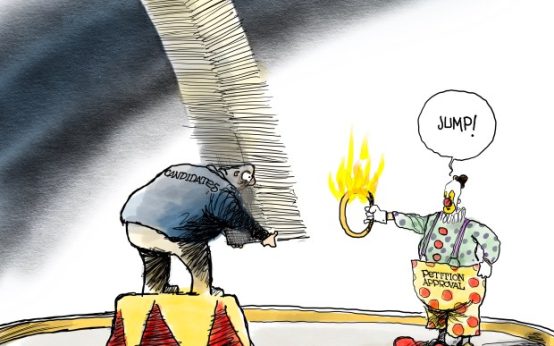 Challenges of Signature Requirements for Political Candidates in Illinois
 Debate Rekindled Over Gray Wolves and Livestock Losses
 White House Faces Backlash Over Controversial Video
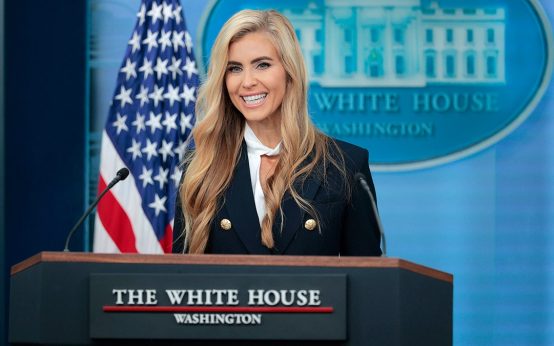 Former Press Secretary Critiques Republican Strategies
 Migration, Politics, Peace Talks, Health Alerts, Legal Settlements, and Fire Conviction News